
Sample text: Wildlife corridors instead of culls
1. Motion
The Government Council shall be instructed to submit a proposal to the Cantonal Parliament to amend the cantonal planning and building law (… law designation …) and the hunting ordinance (… ordinance designation …), whereby the canton (…) shall make the securing and expansion of wildlife corridors binding in spatial planning and replace culling as a means of so-called population control in fragmented habitats with spatial planning and ecological measures. The legislative revision must in particular ensure that
- all nationally and cantonal documented wildlife corridors are anchored in the cantonal structure plan as priority areas for ecological networking and given binding protection status
- a mandatory wildlife compatibility assessment is conducted for new building projects, infrastructure projects and zoning plan changes
- the canton submits a binding action plan for restoring disrupted and interrupted wildlife corridors
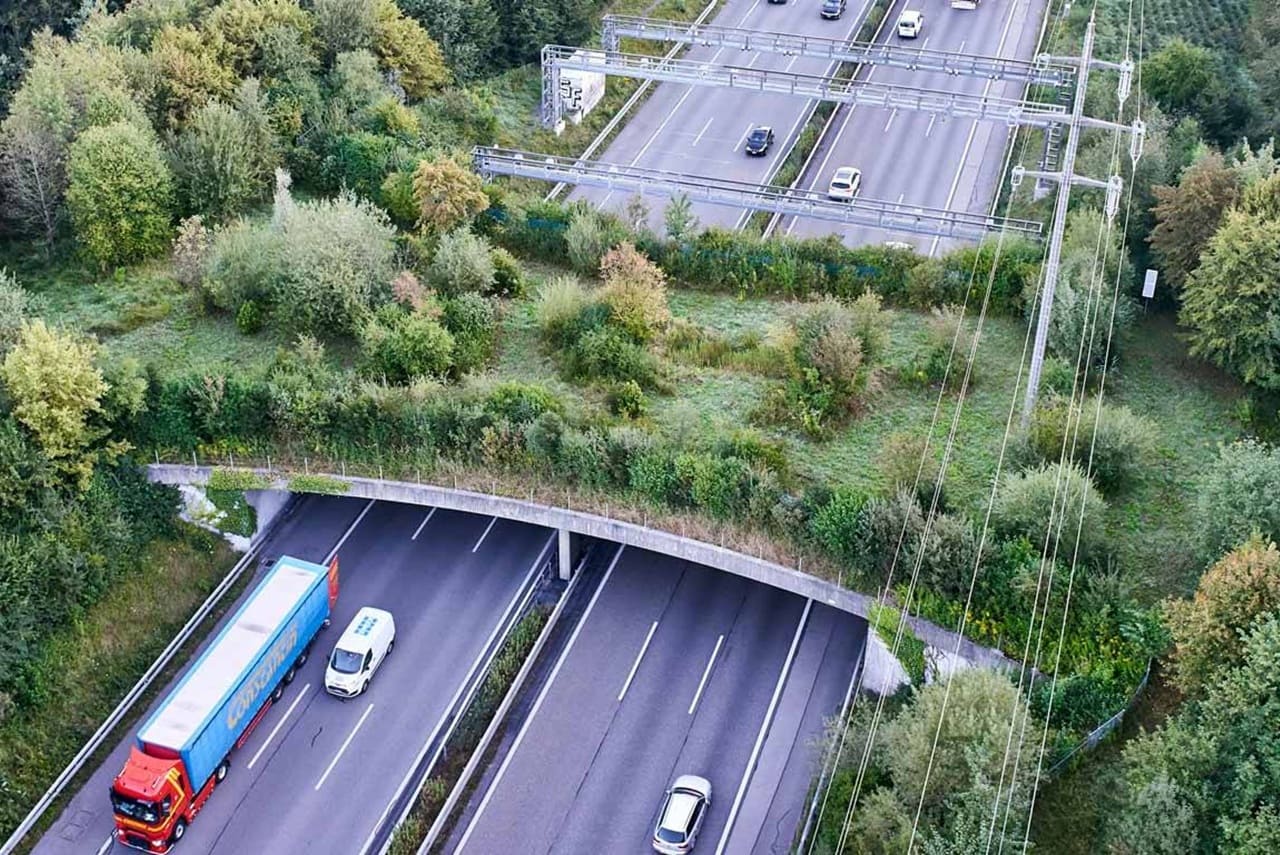
- the construction and enhancement of wildlife overpasses (green bridges) and underpasses on cantonal road sections with documented wildlife crossing is made binding in planning
In particular, it must be legally regulated that
- shooting permits in areas where so-called "wildlife damage" is primarily attributable to lack of connectivity and fragmented habitats may only be issued when all proportionate spatial planning and preventive measures are exhausted
- cantonal funds previously used for culling planning and hunting-based "population control" in fragmented areas are redirected as a priority to the restoration and enhancement of wildlife corridors
- the canton cooperates with neighboring cantons and the federal government in securing inter-cantonal wildlife corridors
- the Government Council submits a report on the state of cantonal wildlife corridors to the Cantonal Parliament every five years
2. Brief justification
Switzerland is one of the most fragmented landscapes in Europe. Roads, settlements, railway lines and intensive agriculture fragment the habitats of wild animals. Wildlife corridors – those connection axes through which wildlife can migrate between partial habitats, maintain genetic exchange and respond to changing environmental conditions – are interrupted in many places or severely impaired in their function.
The conventional hunting policy response to the resulting conflicts is regularly: more culls. This strategy treats symptoms, not causes. When wildlife causes damage in fragmented areas, it is usually not because there are too many animals, but because they have too little space.
Functioning wildlife corridors and green bridges demonstrably reduce the number of wildlife accidents, lower browsing pressure on isolated forest patches, secure genetic exchange between sub-populations and strengthen the adaptability of wildlife populations to climate change. The presence of predators such as the wolf also requires that wildlife and predators can move through networked habitats.
Switzerland has committed to improved ecological infrastructure through the Biodiversity Strategy 2030. Wildlife corridors are a central component of this commitment. This motion calls on the Government Council to consistently utilize this scope.