
Ban on driven hunts
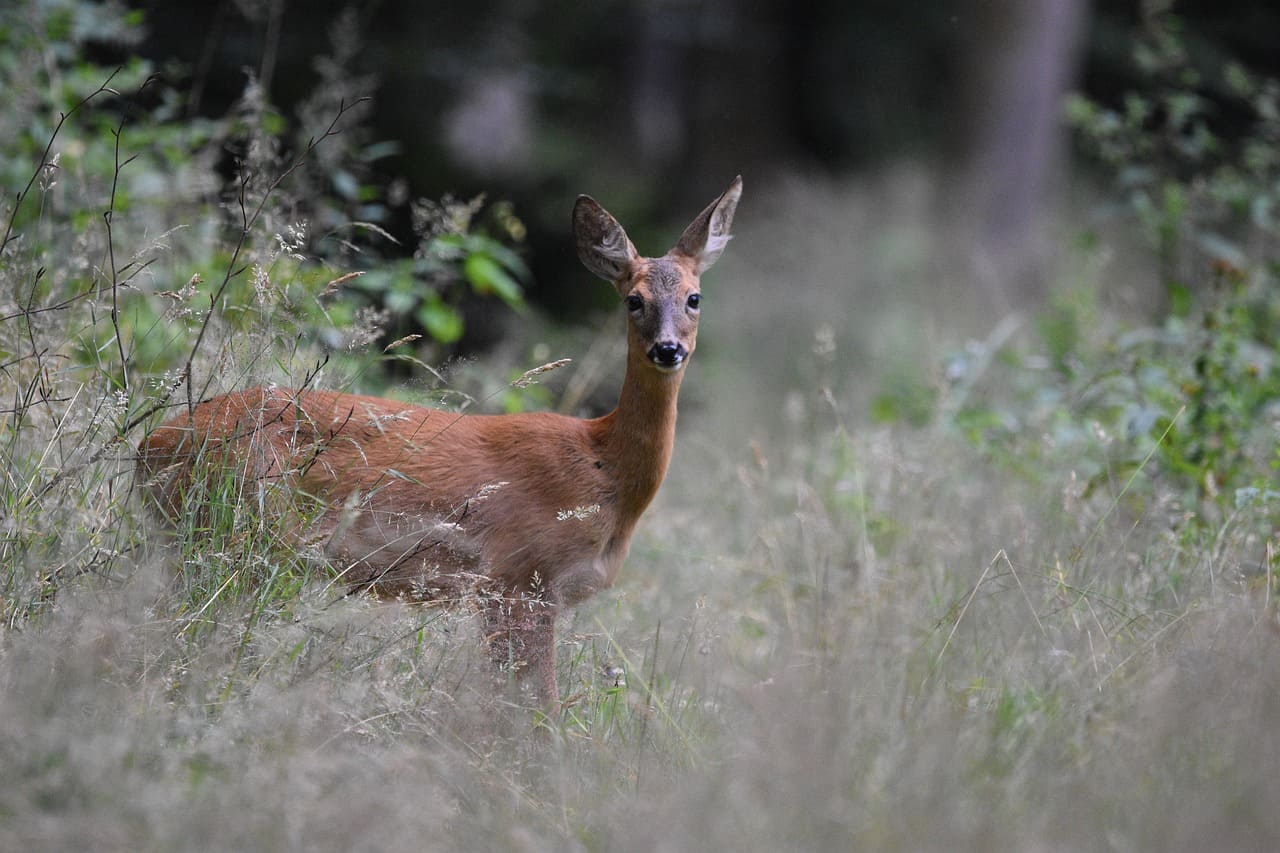
Driven hunts should be banned in the canton (……) for animal welfare and safety reasons. The focus is on preventing avoidable suffering in wild animals as well as protecting people and domestic animals from increased risks posed by these forms of hunting.
1. Motion
The Executive Council is instructed to submit to the Grand Council a proposal for amending the Law on Hunting and Wildlife Protection (……) as well as the Hunting Ordinance (……), with which a ban on driven hunts is introduced in the canton (……). The legal revision must ensure in particular:
- that driven hunts as forms of hunting are expressly prohibited in the canton (……).
- that the use of dogs for flushing out or driving game is limited to an animal welfare-compliant minimum and regulated in such a way that chasing, prolonged pursuits and extensive disturbance of wildlife are prevented.
- that in all remaining forms of hunting, clear guidelines for shooting, prevention of missed shots and bone shots as well as immediate and professional follow-up are anchored.
- that the Executive Council explains in the message:
- how frequently driven hunts and push hunts were conducted in the canton (……) in recent years
- what impact a ban would have on hunting planning, shooting quotas, wildlife damage regulation and on public safety (particularly road traffic, recreational users, dog owners)
- what financial and organizational consequences are to be expected for canton and municipalities.
- that the Executive Council provides the necessary transitional provisions, particularly with regard to existing hunting plans, current hunting lease relationships and already issued permits.
2. Brief Justification
During driven hunts, wild animals are extensively flushed out over large areas for extended periods using human chains and dogs, and driven toward shooters. These hunting methods are associated with considerable stress, increased risk of flight and injury, as well as a heightened risk of misshots and bone shots. Careful selection of animals to be killed is only very limitedly possible under these conditions. The Canton of Geneva already abolished this animal-torturing form of hunting in 1974.
Numerous scientific studies show that hunting pressure and repeated harassment lead to massive stress for wild animals, impair their energy balance, disturb habitat peace, and increase the risk of injury. Added to this are safety risks for recreational users, residents and their dogs when driving and shooting occur simultaneously in densely forested or unclear terrain.
A hunting method that panics wild animals, drives them across their habitat, and increases the risk of misshots and injuries is incompatible with contemporary animal welfare understanding.
Federal hunting law establishes the framework for protection and use of wild mammals and birds. However, the cantons have considerable scope in hunting systems, hunting planning, and additional protection regulations. Within this scope, the canton (……) can ban particularly stressful hunting methods such as driven hunts and battue hunts, limit the use of dogs, and introduce stricter requirements for shooting and tracking wounded game.
According to federal law, no canton in Switzerland must provide for hobby hunting. It is the right of the cantons to decide whether hunting is permitted or not. If a canton decides against or even partially against hunting, it can freely do so according to the federal constitution. The Canton of Geneva has long chosen this exemplary path.
With this motion, the Government Council is tasked with creating a clear legal foundation to prohibit driven hunts and battue hunts for animal welfare and safety reasons and to raise the remaining hunting practice to a higher animal welfare standard. The canton (……) thereby gains legal certainty and assumes responsibility for a more modern approach to wild animals and for protecting the population.