
Sample text: Abolition of small game hunting
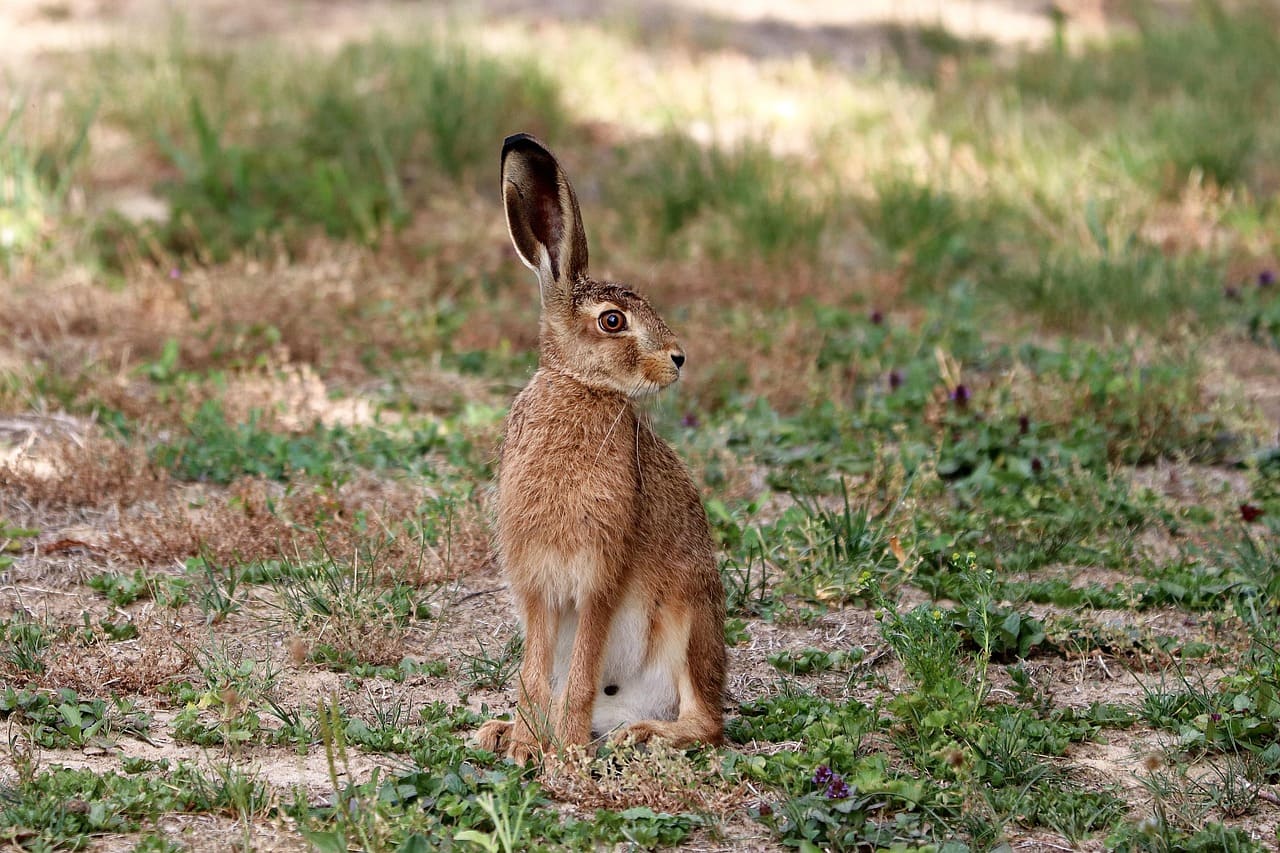
Small game species such as brown hare, partridge or ptarmigan are facing a biodiversity crisis and suffering from habitat loss as well as intense recreational pressure. Recreational hunting of these species shall be ended in the canton of (………).
1. Motion
The Government Council is instructed to submit to the Grand Council a proposal to amend the Law on Hunting and Wildlife Protection (………) as well as the Hunting Ordinance (………), whereby recreational hunting of small game is abolished in the canton of (………). The legislative revision must ensure in particular:
- that hunting of the following species is completely abolished: hare, partridge, ptarmigan, black grouse, woodcock as well as other small game species to be designated in the implementing ordinance whose populations are under pressure
- that fox and badger are no longer classified as huntable species for recreational hunting, but are placed under regular protection as ecologically important native species
- that any unavoidable interventions for reasons of animal disease control, public safety or compelling nature conservation reasons are regulated in special legal provisions and not in the hunting law
- that such interventions are generally carried out by the competent wildlife authorities and are limited to the necessary minimum
- that the Government Council explains in its message
- how the abolition of small game hunting affects the populations of the affected species
- what consequences are to be expected for hunting planning, agriculture and forestry as well as wildlife damage regulation
- what financial and organizational impacts arise for canton and municipalities
- that the new regulation is expressly in accordance with federal law, particularly the Federal Hunting Act, and utilizes the cantonal scope for action in favor of species and animal protection.
The cantonal government considers in its proposal the necessary transitional provisions, particularly with regard to existing hunting plans and ongoing hunting arrangements.
2. Brief justification
The populations of many small game species have been declining for decades. Main causes are habitat loss, intensive agriculture, the climate crisis and diverse recreational activities. Under these conditions, the additional burden from recreational hunting is neither ecologically justifiable nor socially defensible. Affected species are often already on national or cantonal Red Lists or show alarming population trends.
Modern wildlife policy must focus on protecting endangered species and promoting their habitats. Recreational hunting of small game serves no essential public interest. It primarily serves to satisfy private hunting interests and is hardly compatible with today's understanding of biodiversity conservation and animal protection. From a health and wildlife ecology perspective, there is also no necessity to hunt small game species for recreational purposes. The Canton of Geneva abolished this form of animal cruelty in hunting as early as 1974.
The Federal Hunting Act sets the framework for protection and use of wild mammals and birds. However, the cantons have considerable scope regarding hunting systems, hunting planning and additional protective provisions. Within this scope, the canton (………) can abolish small game hunting and thereby contribute to stabilizing populations and create new quiet zones for wildlife.
According to federal law, no canton in Switzerland must provide for hobby hunting. It is the right of cantons to decide whether hunting is permitted or not. If a canton decides against or even only partially against hunting, it can freely do so according to the federal constitution. The Canton of Geneva has long chosen this exemplary path.
Anyone who seriously wants to protect endangered species cannot simultaneously release them as recreational targets for shooting.
By abolishing small game hunting, the canton (………) sends a clear signal for biodiversity, animal protection and contemporary hunting policy.