Bird flu in Poland: 1 million chickens killed
According to media reports, bird flu broke out at a poultry farm in Lower Silesia, Poland — approximately one hour from Dresden. The bird flu virus can enter poultry barns through the air.

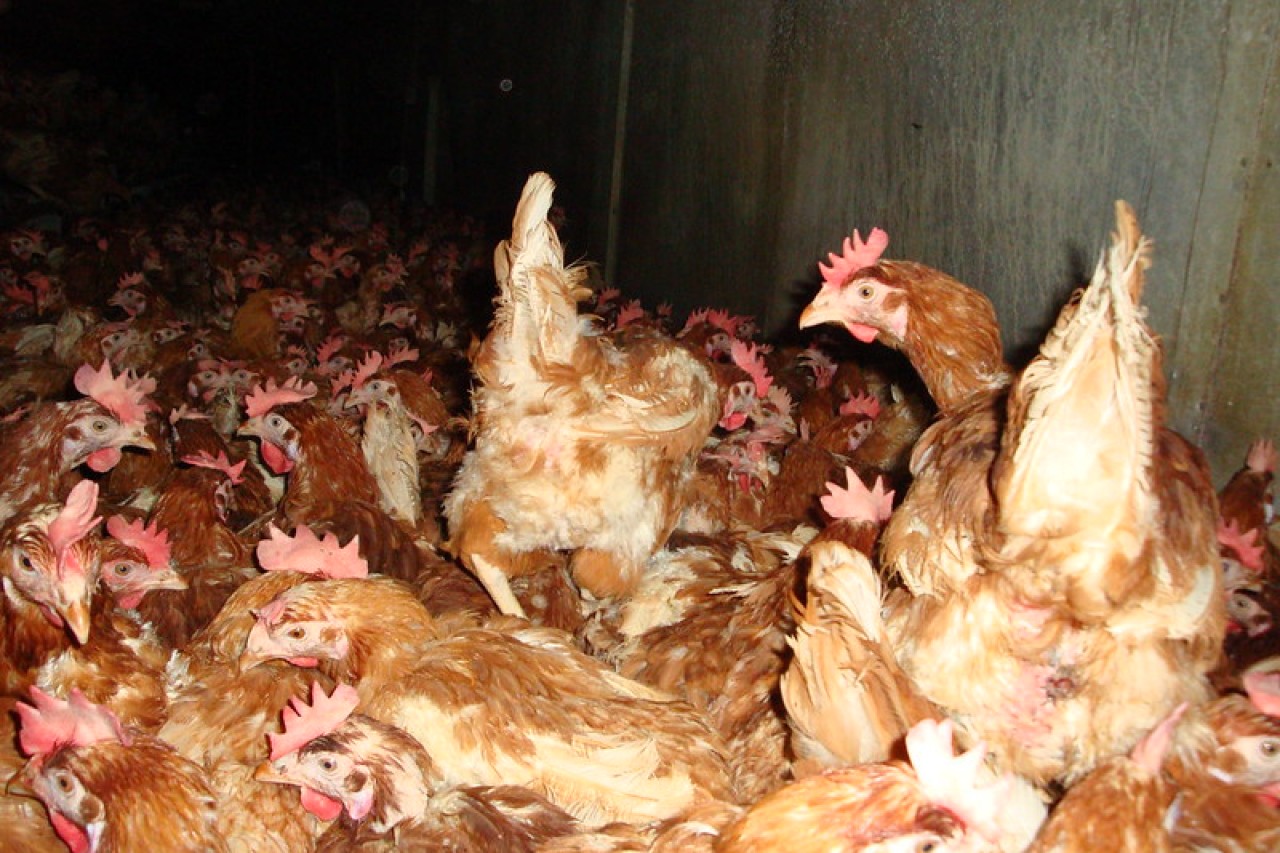
Disease prevention measures require that the entire animal population be culled in the event of an outbreak.
2.1 million animals killed in Poland
1.38 million chickens were killed at the affected farm. The total number of poultry killed due to bird flu outbreaks in Poland has thus reached approximately 2.1 million animals within a very short period of time.
In Germany, according to the Friedrich-Löffler-Institut, six outbreaks in poultry were recorded between 01.07. and 30.09.2024. In early July, 91’000 chickens were killed in the Lower Saxony district of Bad Bentheim. Further outbreaks occurred in Mecklenburg-Vorpommern, Saxony-Anhalt and Saxony.
Since spring, reports of infected cattle in the USA have been mounting, with animals contracting the bird flu pathogen primarily through milking equipment and in the udder, and in the vast majority of cases dying as a result.
The ability of H5N1 to adapt to mammals is currently demonstrated above all by cases of infected individuals who had no prior contact with animals before falling ill with bird flu. A recently published study concludes that the virus can also spread through the air.
Animal Rights Watch calls on the government to address livestock farming as the root cause rather than continuing to merely treat the symptoms. This requires the insight and resolve to transition toward plant-based agriculture and food systems.
«The bomb is ticking – we are in the midst of the worst avian flu epidemic Europe has ever experienced – the virus has shown us in recent months how strong its adaptability is, and we are heading with open eyes into the next pandemic, which will hit all of us far more brutally than COVID-19», says Scarlett Treml, agricultural policy officer at Animal Rights Watch. «The EU budget for futile preventive measures has long since been blown, and millions more in taxpayers' money continue to be squandered.»
«Politics must now choose the long-overdue and, from an animal welfare perspective, only consistent approach and finally close factory farms. We mourn one million sentient animals who were forced into a life of suffering as so-called laying hens in a Polish facility and were ultimately killed in vain and violently.»


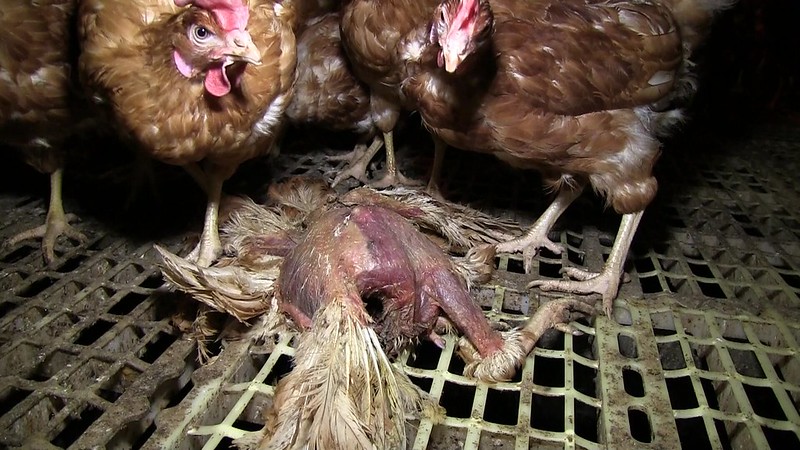


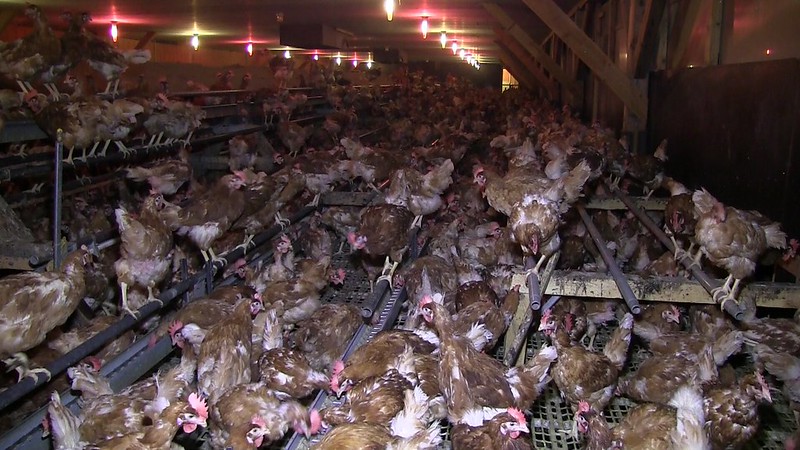
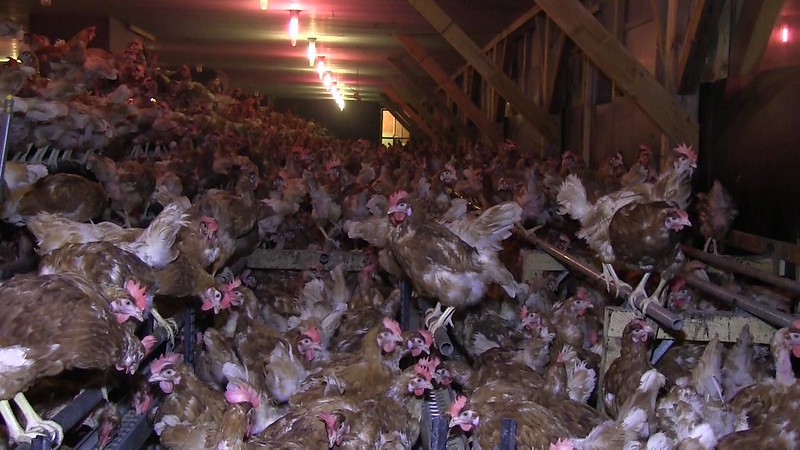
Factory farms and fur farms as breeding grounds for pandemics
Confined by the tens of thousands in the tightest of spaces and mostly surrounded by excrement, agricultural livestock facilities are pure breeding grounds for potentially deadly viruses such as the avian influenza virus. Infected faeces are then spread on fields and farmland as slurry, allowing the virus towildlife and spread outward from the stalls.
Fur farms also promote the emergence of new virus types. In these places, the so-called “fur animals” are forced to spend their entire lives on narrow wire mesh and under the most unhygienic conditions, which likewise provides an ideal environment for the spread and mutation of dangerous infectious diseases. Theanimal welfare issues of industrial livestock farming are enormous.
| You can help all animals and our planet with compassion. Choose compassion on your plate and in your glass. Go vegan. |