
Template text: Recreational hunting and wildlife diseases
1. Motion
The government council is commissioned to present a report to the cantonal parliament that independently and scientifically examines the role of recreational hunting in the spread of wildlife diseases and zoonoses in the canton (...). Based on the results of this report, a proposal for amending the Law on Hunting and Wildlife Protection (... law designation ...) as well as the Hunting Ordinance (... ordinance designation ...) shall be submitted to the cantonal parliament, which particularly ensures that
- the canton commissions an independent specialist body, organizationally and personally separate from the hunting community, to systematically investigate the effects of recreational hunting on the spread and containment of wildlife diseases
- the investigation particularly examines whether hunting practices (field dressing, transport of killed animals, baiting, feeding, driven hunts) promote the spread of pathogens rather than contain them
- the results are made fully and transparently accessible to the cantonal parliament and the public
In particular, it must be legally regulated that
- hunting measures for alleged "disease prevention" may only be ordered in the future if their effectiveness is confirmed by independent veterinary-epidemiological specialist bodies
- hobby hunters are obligated to submit all killed animals to systematic health monitoring
- hygiene regulations for handling killed wild animals in the field are tightened and their compliance is verified through independent inspections
- baiting of wild animals for hunting purposes is prohibited or strictly regulated, as baiting sites demonstrably increase contact frequency between wild animals and can promote pathogen transmission
- the government council regularly reports to parliament on the health status of cantonal wildlife populations
2. Brief justification
The recreational hunting lobby regularly justifies shootings with the argument of disease prevention. Particularly in discussions aboutAfrican swine fever, fox tapeworm or tuberculosis in wild animals, recreational hunting is portrayed as an indispensable instrument for disease control. However, the veterinary-epidemiological literature shows that this portrayal is selective in essential points.
Hunting practices can facilitate the spread of wildlife diseases: Driven hunts chase wild animals into disease-free zones. Baiting creates artificial concentration points. Field-dressing shot animals can release pathogens into the environment.
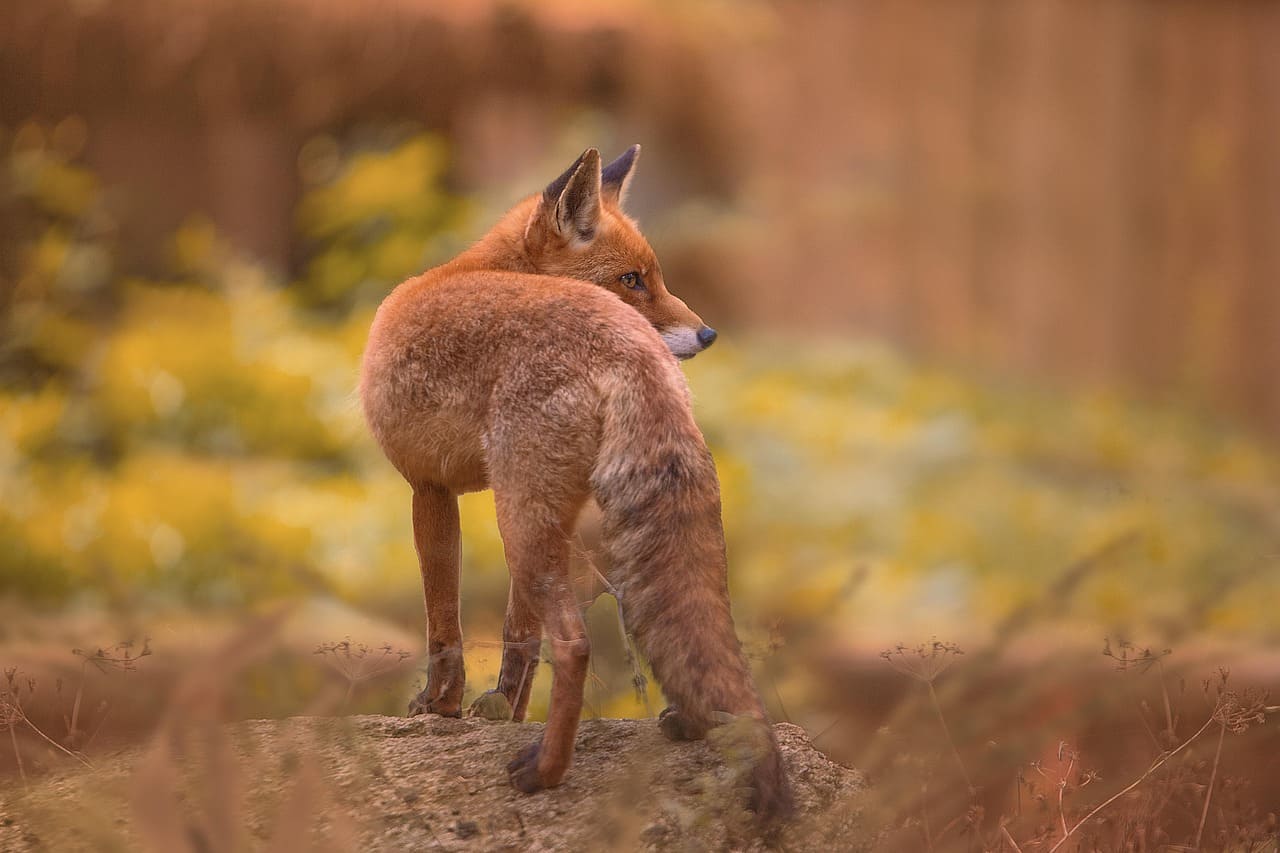
Experiences from regions without recreational fox hunting (Geneva, Luxembourg) show that abandoning large-scale hunting has neither led to the spread of fox tapeworm nor to other disease outbreaks. In Luxembourg, the infestation rate has even decreased since the hunting ban in 2015. Effective disease prevention is based on monitoring, hygiene and targeted measures – not on comprehensive hunting.
The canton (...) has a legitimate interest in having the actual role of recreational hunting independently examined – and not relying on claims put forward by the hunters themselves.