
04 October 2025 – World Animal Day
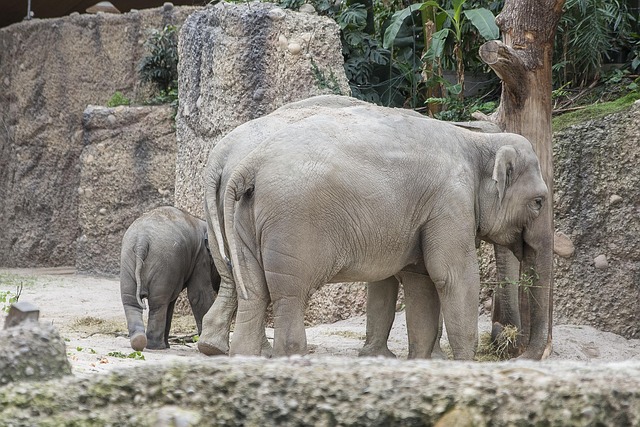
IG Wild beim Wild demands radical rethinking in zoological gardens.
On the occasion of World Animal Day, the hunting-critical animal protection organization IG Wild beim Wild criticizes the practice in zoos of killing healthy animals for space or breeding reasons. "While conservationists worldwide fight for the survival of endangered species, zoos dispose of animals like disposable items," says a spokesperson for the organization. "The killing of unwanted animals is not a contribution to species conservation, but a clear violation of the basic principles of animal welfare."
Nuremberg case: Baboon killings cause outrage
In July of this year, twelve healthy Guinea baboons were killed at Nuremberg Zoo – officially due to lack of space. The case caused outrage nationwide and beyond. More than 350 criminal complaints were filed with the responsible prosecutor's office; investigations are ongoing.
This was a calculated breaking of taboos. As the new president of the Association of Zoological Gardens, the Nuremberg director is once again setting a fatal example: He legitimizes the disposal of specially bred animals through killing.
Professional organizations such as Pro Wildlife have been pointing out for years that breeding programs in zoos make little contribution to species conservation. In the vast majority of cases, neither concrete reintroduction projects exist nor are the animals even suitable for this purpose.
Systematic practice in zoos
The killing of so-called "surplus" animals is not an isolated case. In European zoos, an estimated several thousand animals are killed annually – often young animals that cannot find a place or do not genetically fit into the breeding program.
Particularly well-known was the 2014 case of the giraffe Marius at Copenhagen Zoo. The only 18-month-old animal was killed and fed to lions in front of an audience because it "didn't fit into the breeding program." Despite worldwide protests, many zoos defended the procedure at the time as "necessary."
Breeding programs: Hardly any reintroductions, many "surpluses"
Zoological gardens often justify killings by citing 'species conservation'. However, the specialist organization Pro Wildlife points out that this argumentation is deceptive.
- European zoos currently house around 1.3 million animals from over 1,500 species – most without any connection to genuine reintroduction projects.
- Less than 5% of all zoo animals are ever returned to the wild.
- The overwhelming majority of captive-bred animals remain in captivity for their entire lives.
Species conservation means protecting wild animals and their habitats – not breeding them behind bars and killing them when overpopulation occurs.
The real threats: habitat loss and poaching
The causes of the dramatic decline in biodiversity lie primarily in habitat loss through agriculture, infrastructure and deforestation, as well as in targeted persecution and poaching or hunting.
- According to the International Union for Conservation of Nature (IUCN), more than 42,000 species worldwide are currently threatened with extinction.
- An estimated up to 150 wildlife and plant species disappear irreversibly each year.
Genuine species conservation must therefore start on site: through the protection of habitats, public education, combating hunting and close cooperation with people in the affected regions.
Demands of IG Wild beim Wild
On World Animal Day, the organization calls for fundamental change of thinking in zoos.
The central demands are:
- Immediate stop to the killing of healthy animals.
- Responsible alternatives: breeding restrictions, transfer to other suitable facilities or expansion of enclosures.
- Honest communication: end the justification of breeding killings as 'species conservation'.
- Focus on genuine species conservation: support for projects that secure habitats and protect wildlife populations in their regions of origin.
- Justice for zoo animals
'Species conservation without ethical animal protection is a farce,' emphasizes IG Wild beim Wild. Those who breed animals must take responsibility – until the end of their lives.