Gallop Racing: Animal Welfare Federation Demands Transparency
In gallop racing, winning is paramount — often at the expense of the animals.

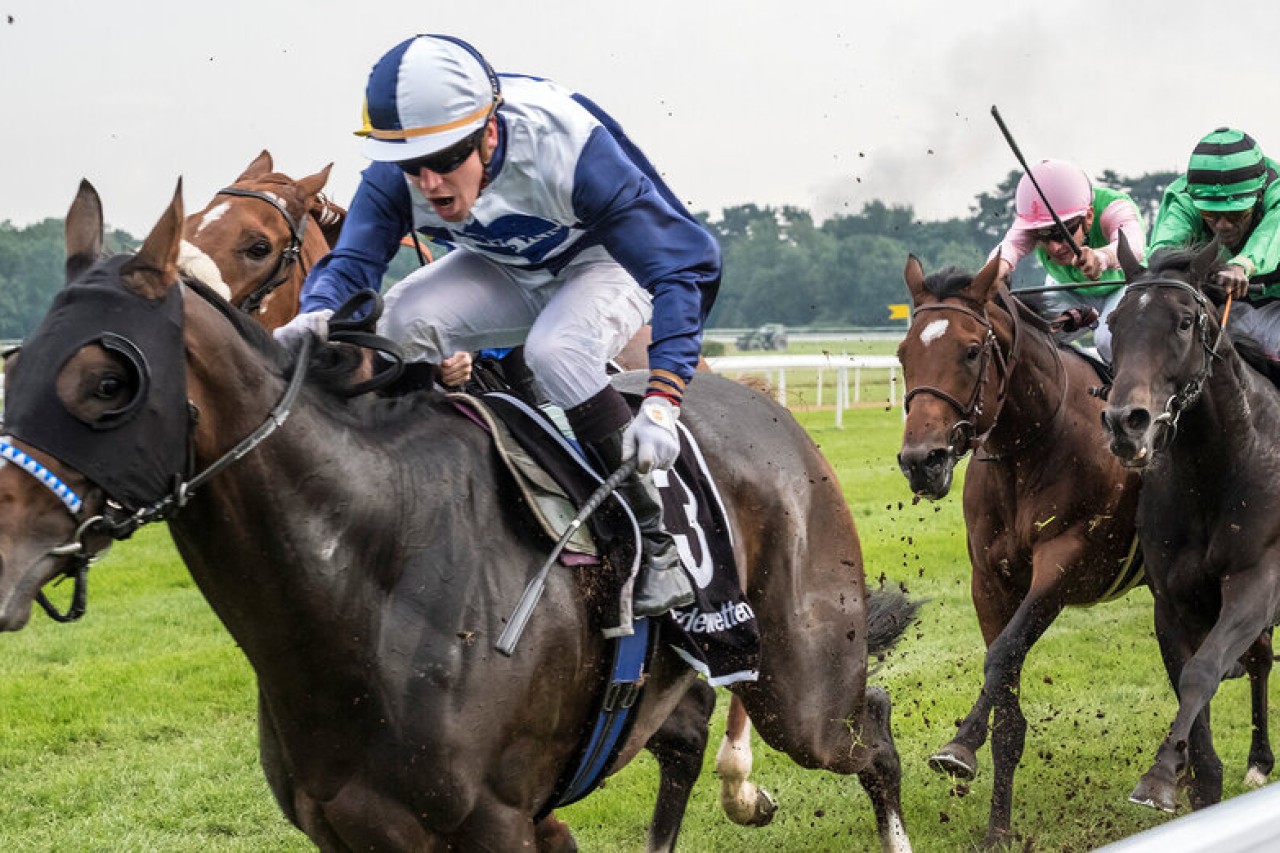
The German Animal Welfare Federation voices sharp criticism of the current campaign by the Verein Deutscher Galopp.
The initiative, titled «Facts Instead of Concerns», aims to refute prejudices against gallop racing. However, rather than addressing legitimate animal welfare concerns, the campaign ignores central issues and downplays the burdens placed on the animals, according to the German Animal Welfare Federation. At the same time, the Verein Deutscher Galopp is accused of concealing fatalities in its race reports.
«The campaign was meant to dispel scepticism, but it has only reinforced our concerns and criticism,» explains Andrea Mihali, equine welfare officer at the German Animal Welfare Federation. The federation identifies a central problem in the line of argumentation used by the Verein Deutscher Galopp. The claims made in the campaign are supported neither by independent investigations nor by scientific findings. Instead, the association refers to internal reports and to statements by a journalist who compares his own pain perception to that of a racehorse, after personally requesting that a jockey strike him with a whip. «The conclusion that racehorses are therefore also incapable of feeling pain from whip strikes is presumptuous. Scientific studies clearly demonstrate the opposite,» Mihali criticises. Animal welfare must be consistently upheld in sport as well.
Horses Too Young Under Excessive Strain
In Gallop racing one-year-old horses already begin training, and by the age of two they are competing in races — an immense burden on the animals' still not fully developed musculoskeletal system. As a result, many horses are usually unable to continue racing beyond the age of five, as their health can no longer keep pace. Only a fraction of them find a buyer or are used for breeding. In the view of the German Animal Welfare Federation, horse owners and breeders should therefore be required to demonstrate how many of the foals bred actually end up on the racetrack, and what happens to those animals that never enter racing at all, sustain injuries during their career, or are retired.
Concealment of Deaths
Animal welfare advocates find the opaque handling of injured and deceased horses deeply troubling. The Verein Deutscher Galopp no longer documents fatalities in its race reports. Horses that are so severely injured after falls that euthanasia is the only remaining option appear in the statistics merely as “inactive.” This classification conceals the true fate of the animals, the German Animal Welfare Federation criticizes. The association demands greater transparency and has already written to the Verein Deutscher Galopp on several occasions. Similar concealment tactics are familiar from the debate on animal rights in other areas.
Profit Interests Take Precedence Over the Needs of Horses
The keeping conditions of the animals are also frequently not appropriate for horses. Racehorses spend most of their time in cramped stalls, have barely any freedom of movement, and little social contact. “It is time to seriously put horse racing to the test. The needs of the animals must be at the center, not economic interests,” says Mihali.