Wildlife Regulation: Conservation Groups Protest
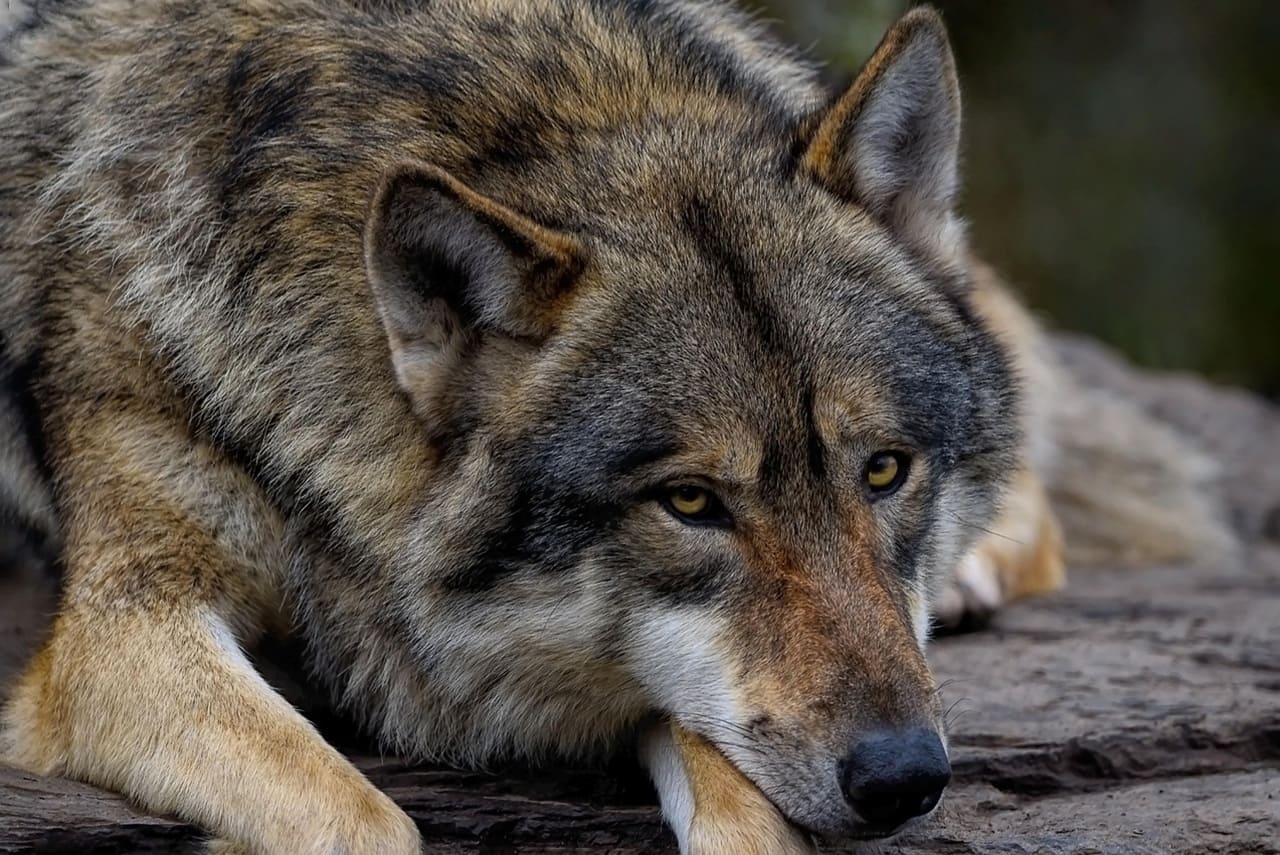
The fact that wolves can be proactively regulated when serious damage is imminent is undisputed.

However, the draft Hunting and Protection Ordinance is one-sidedly focused on culling, impractical when it comes to herd protection, and incompatible with higher-level law. In their response to the subsequent consultation, which ends on 5 July, conservation organisations are calling for a return to the goal of coexistence with wolves and beavers, and are putting forward concrete proposals for improvement.
The planned Hunting and Protection Ordinance (JSV) regulates in detail an outright campaign against wolves and also beavers, rather than promoting coexistence between wildlife and humans. Selective improvements to the proposal, such as the introduction of a binding regulation for the protection of wildlife corridors of national importance, do nothing to change the overall disappointing picture. Conservation organisations Pro Natura, WWF Switzerland, BirdLife Switzerland and Groupe Loup Suisse are demanding revisions.
Beavers unnecessarily in the crosshairs and the ecological potential of wolves ignored
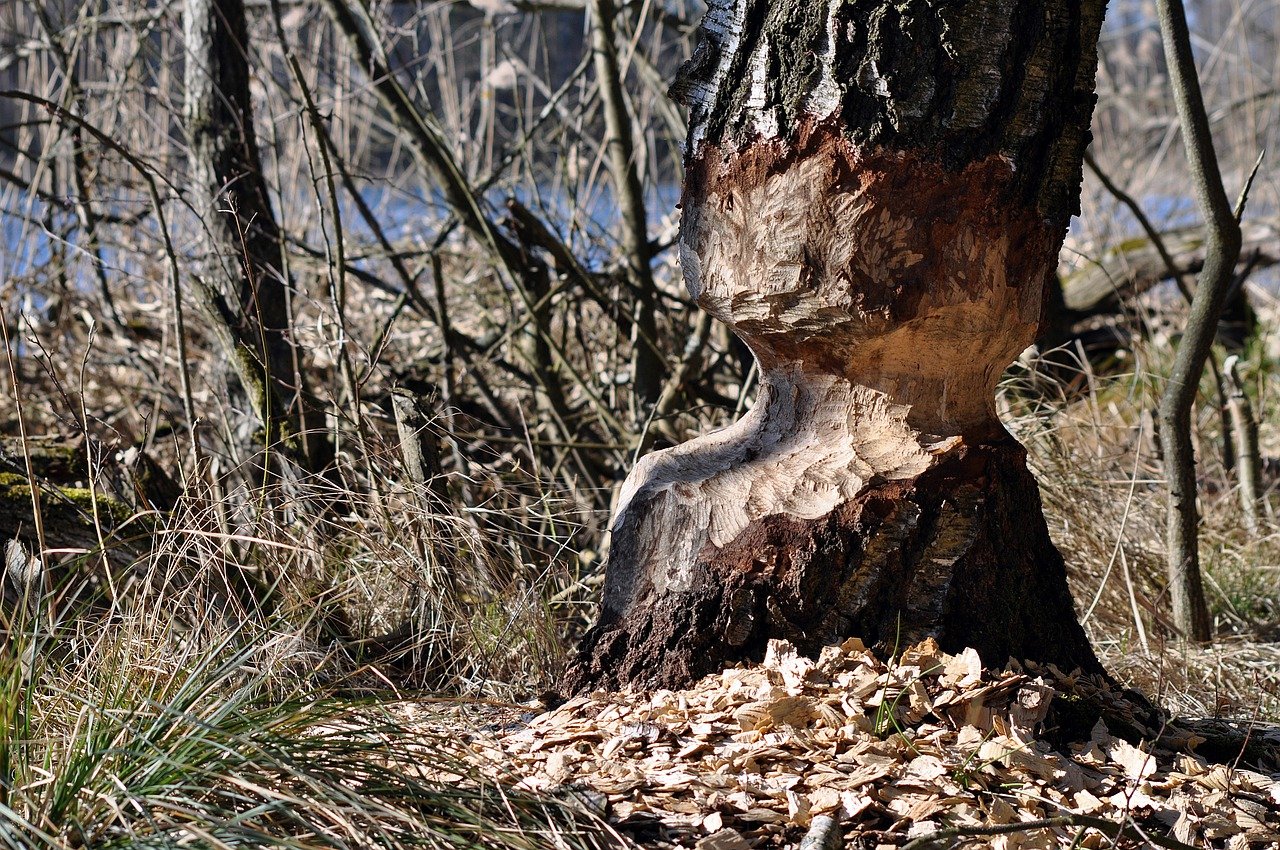
The JSV now seeks to enable “proactive” killings of beavers as well. This is neither lawful, nor sustainable, nor necessary, as vacated beaver territories are quickly reoccupied. Moreover, conflict prevention regarding beavers has been well established in the cantons, without culling ever having been necessary.
Arbitrary and impractical is the federal government’s withdrawal from its central role in the herd protection programme with regard to wolves. In doing so, it risks a cantonal patchwork and irresponsible gaps in the indispensable herd protection measures. With the present hunting ordinance, the federal government also fails to take into account the ecological potential of wolves for forest health. The condition of forests should be a necessary component of the overall balancing of interests prior to any intervention in wolf populations.
Proactive regulation: Yes, but
The new ordinance regarding the handling of wolves carries considerable uncertainty as to its compatibility with higher-level law. That wolves can be proactively regulated when serious damage is imminent is undisputed. However, the ordinance must comply with higher-level law and professional guidelines. Only when the threat of serious damage is plausible and cannot be prevented by milder measures, when reasonable herd protection has been implemented, and when the regulation does not endanger the local population, may wolves be shot proactively. Federal Councillor Rösti repeatedly confirmed this: “Only if they pose a danger to livestock, humans, or in extreme cases also wildlife, can entire packs be removed. Nothing happens before that.”
A professionally justified, legally compliant, and effective implementation of ‘wolf management’ in the interests of mountain farming is possible. The position statement of the nature conservation organisations shows how.
Further information:
Consultation response of the nature conservation organisations
Source: Press release from Pro Natura, WWF Switzerland, BirdLife Switzerland and Gruppe Wolf Schweiz