Climate Change and Pollen Allergies: A Growing Threat
Climate change has far-reaching effects on the environment and the health of both humans and animals.

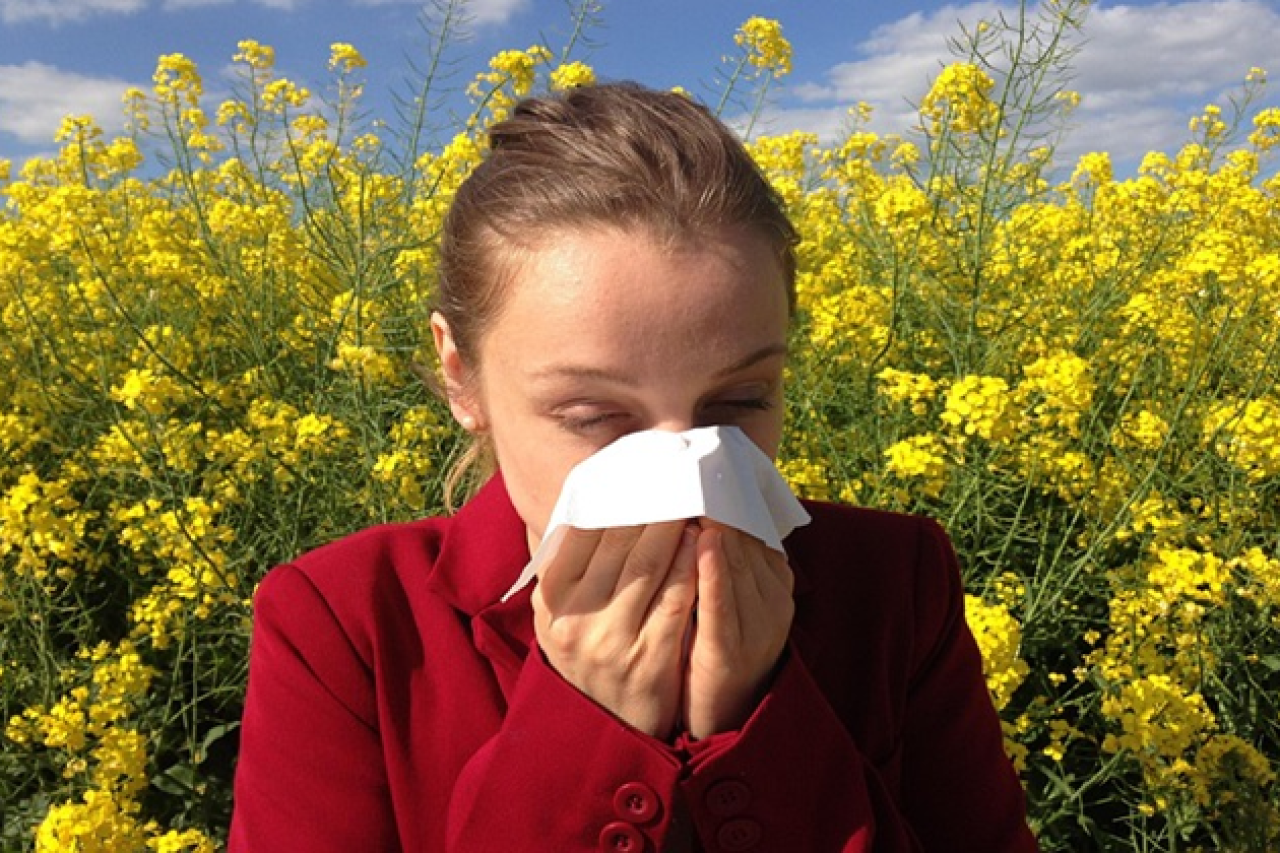
One often overlooked aspect of this global challenge is the increase in pollen allergies, which are being exacerbated by changing climatic conditions.
Rising temperatures and altered precipitation patterns are leading to an extension of growing seasons. Plants begin to flower earlier and produce more pollen, increasing exposure to allergens. In particular, allergenic plants such as grasses, trees and herbs thrive under these conditions.
Studies show that certain plant species, such as ragweed (mugwort) and grass species, produce more pollen in warm weather. This is particularly problematic, as ragweed is considered one of the most potent allergens in many parts of the world. Research has found that an increase in atmospheric carbon dioxide concentrations can further boost pollen production.
Nicolas Trombert, who also works as a gardener, has observed that his symptoms have been starting earlier in the season and ending later for several years now. Under these circumstances, he says it is impossible to arrange his bouquets without medication. The flower grower must take antihistamines throughout the entire season.
Due to climate change, pollen allergy seasons have shifted. Allergy sufferers increasingly report an early and extended pollen season. This means that people who previously only suffered from allergies during certain months may now be affected over a longer period of time.
A rise in temperatures of just a few degrees can lead to a significant increase in pollen levels. Climate models show, for instance, that flowering periods in many regions could change, increasing the likelihood of coming into contact with allergens.
The increase in pollen allergies has health consequences that go beyond symptoms such as sneezing, itching, and breathing difficulties. Studies have shown that pollen exposure is associated with the occurrence of asthma attacks and other respiratory diseases. This particularly affects children, vulnerable population groups, andanimals such as cats.
Climate change is not only a challenge for ecosystems, but also has direct effects on human health. The increase in pollen allergies requires a rethinking of healthcare and an adaptation of public health strategies. To meet the upcoming challenges, both individual measures and collective efforts to combat climate change are required.
Climate change apparently not only increases the quantity of pollen, but also its aggressiveness. At the University Hospital of Lausanne, the allergy department is overwhelmed. The waiting time for an appointment is up to nine months.
| You can help all animals and our planet with compassion. Choose compassion on your plate and in your glass. Go vegan. |
Support our work
With your donation you help to protect animals and give voice to their cause.
Donate now →