Cat Collars: Safety for Cats Debunks Common Myths
A comprehensive study involving more than 2'000 cat owners from Germany, France, Belgium, Spain, Italy and England has conclusively demonstrated that the widespread fear of accidents caused by cat collars is unfounded.

The study, which builds on research commissioned by TASSO from the University of Vienna, shows: fewer than one percent (0.47%) of cat owners surveyed experienced incidents involving collars — and none of these required a visit to the vet or resulted in serious injuries.
Myth debunked: Collars do not endanger cats
Almost half of all respondents (48.18%) stated that they had hesitated to put a collar on their cat — primarily out of fear that the animal might become entangled. However, according to the study, this concern is entirely unfounded. Out of more than 2’000 respondents, only nine individuals reported minor incidents related to wearing a collar.
The results are clear: the widespread belief that collars can be life-threatening for cats is a myth, and one that our data refutes, explains Adrien Harmel, CMO of Weenect. On the contrary — the real danger to cats lies elsewhere.
The real risks for free-roaming cats
The study identifies the actual main dangers for free-roaming cats. More than one in three cats gets into a fight with another animal (34.46%), followed by being trapped in a location (27.07%), going missing or getting lost (21.86%), and road accidents (10.83 %).
Particularly at risk are young adult cats between one and five years of age, of whom well over two thirds of all young cats (68.2%) have already experienced an accident. By comparison, the figure for cats under one year of age stands at 47.5%, and for cats over 10 years at 54.8%.
GPS collars as a safety solution with high acceptance
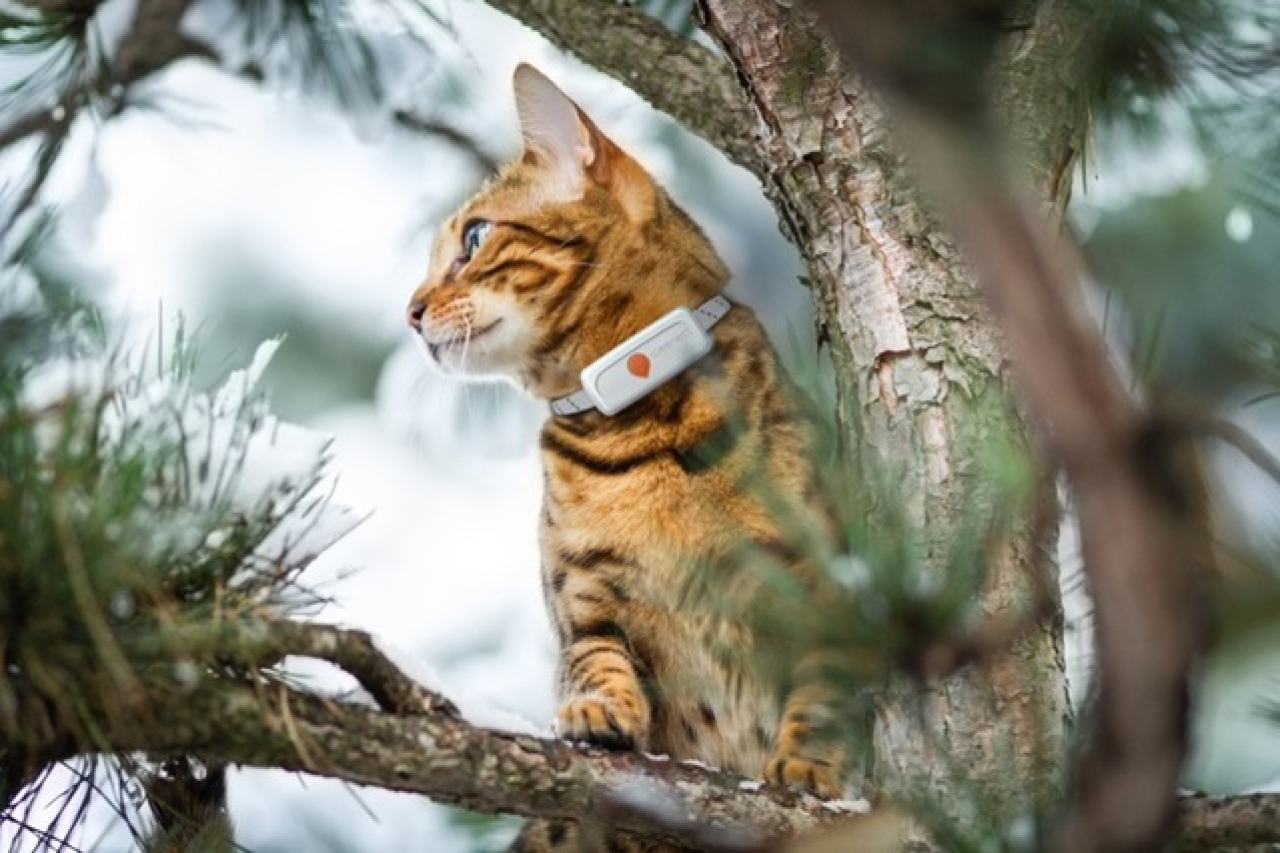
The study results also show that collars – particularly those with GPS functionality – are seen by users as a valuable safety tool. 96% of respondents whose cat wears a collar are satisfied with it. The main reason cited for use is GPS tracking (57.82%), followed by identification via tag or phone number (20.58%) and better visibility at night (14.39%).
«A GPS collar can help minimise the real dangers that cats are actually exposed to,» explains Adrien Harmel. «If a cat goes missing or becomes trapped somewhere, GPS technology can be life-saving. Care should be taken to ensure that the GPS tracker is attached to modern safety collars, primarily those that are elasticated or equipped with an automatic release mechanism. Only in this way can cat owners help protect their animals from genuine dangers.»
Surprising finding: Rural cats live more dangerously than urban cats
A surprising result of the study refutes another widespread myth: contrary to popular belief, cats in rural areas live more dangerously than those in the city:
- Almost two thirds of all rural cats (65.57%) have already suffered an accident outdoors.
- Among urban cats, the figure is noticeably lower at 55.79%.
One reason for the increased danger in rural areas may be that cats frequently roam over greater distances, exposing themselves to a wide variety of hazards. Proximity to heavily trafficked roads remains a considerable risk factor, however: 12.21% of cats living near busy roads have already been involved in a traffic accident – almost twice as many as cats living further away from roads.
Indoor cats are not immune to accidents either
The study also dispels the notion that indoor cats are fully protected. One in four indoor cats (25.32%) has already experienced an accident within the home. Almost one in two cats (47.5%) falls from furniture or a balcony. Tied in second place at 17.5% is the swallowing of dangerous objects, followed by poisoning from plants or household products (12.5%), accidents involving household appliances (10%), accidents involving people or other animals (7.5%), and the risk of suffocation or strangulation, for example from plastic bags (5%).
These figures clearly show: even within the supposed safety of their own four walls, cats are not protected from accidents.