Operation Thunder: 20’000 Animals Seized, 365 Arrests
138 countries and regions join forces to combat the global illegal trade in animals and plants.


Nearly 20’000 live animals, all of them endangered or protected species, were seized in a global operation against wildlife and forestry trafficking networks, jointly coordinated by INTERPOL and the World Customs Organization (WCO).
Operation Thunder 2024 (11 November to 6 December) involved police, customs, border control, forestry and wildlife officers from 138 countries and regions, representing the largest participation since 2017.
Authorities arrested 365 suspects and identified six transnational criminal networks suspected of trafficking in animals and plants protected under the Convention on International Trade in Endangered Species of Wild Fauna and Flora (CITES). More on wildlife-related crime.
These species are illegally traded to meet specific market demand, whether as food, purported remedies, “luxury” items and collectibles, or as pets and competition animals.
Where possible, forensic wildlife experts collected DNA samples before transferring the animals to rescue centres, where their health was assessed pending repatriation or rehabilitation in accordance with national frameworks and relevant protocols.
The collection of DNA samples is critical to supporting law enforcement, as it helps confirm the species identity and its origin or distribution, and to uncover new trafficking routes and emerging trends.
Large-scale trafficking in animal parts and endangered species
In addition to the live animals, participating countries seized hundreds of thousands of protected animal parts and products, trees, plants, marine species and arthropods.
The most significant seizures involved timber, primarily transported in sea freight containers, while most other seizures took place at airports and postal processing centres.
Authorities also investigated online activities and found that suspects use multiple profiles and linked accounts on social media platforms and marketplaces to extend their reach.
More than 100 companies involved in the trade of protected species were also investigated.
Valdecy Urquiza, INTERPOL Secretary General, said:
«Organised crime networks profit from the demand for rare plants and animals, exploiting nature to fuel human greed. This has far-reaching consequences: it drives the loss of biodiversity, destroys communities, contributes to climate change and even fuels conflict and instability. Environmental crimes are uniquely destructive, and INTERPOL, together with its partners, is committed to protecting our planet for future generations.»
Significant seizures worldwide
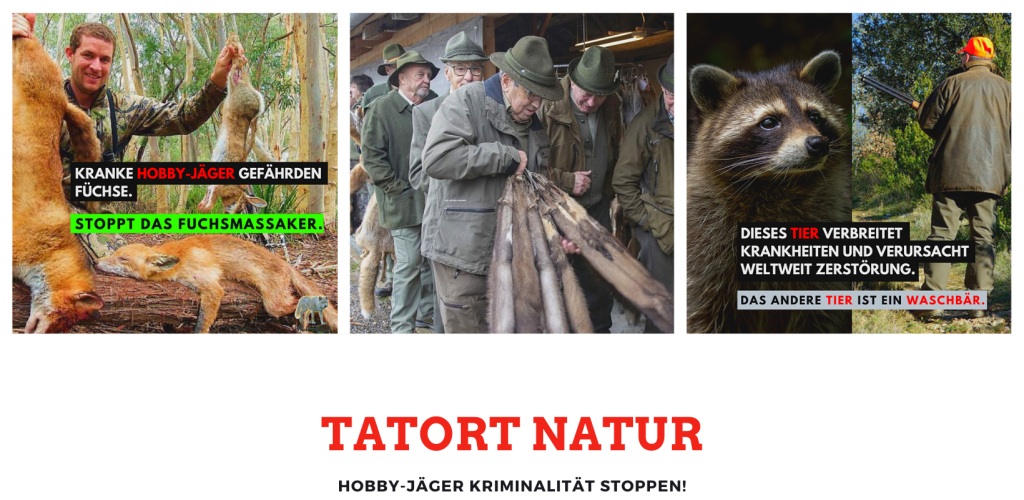
The illegal wildlife trade continues to grow rapidly, is extremely lucrative and has devastating consequences. Notable seizures include: 134 tonnes of timber in Indonesia, 41 tonnes of exotic wood in Kenya, 4’472 kg of pangolin scales in Nigeria, 6’500 live songbirds in Turkey, 5’193 live red-eared slider turtles in India, 3’700 protected plants in Peru, eight rhinoceros horns in Qatar, one tonne of sea cucumbers in the United States, 973 kg of dried shark fins in Hong Kong, eight tigers at an allegedly illegal breeding facility in the Czech Republic, 846 pieces of reticulated python skin in Indonesia, bear bile in Australia and the United Kingdom, as well as more than 300 firearms and poaching equipment. The hobby hunters and the illegal wildlife trade are threatening biodiversity worldwide.
Cooperation between the various parties involved is of critical importance for the effective combating of cross-border criminal networks, from seizure through to arrest and prosecution. More on the animal welfare issue.