Dead wolf found in Val Poschiavo
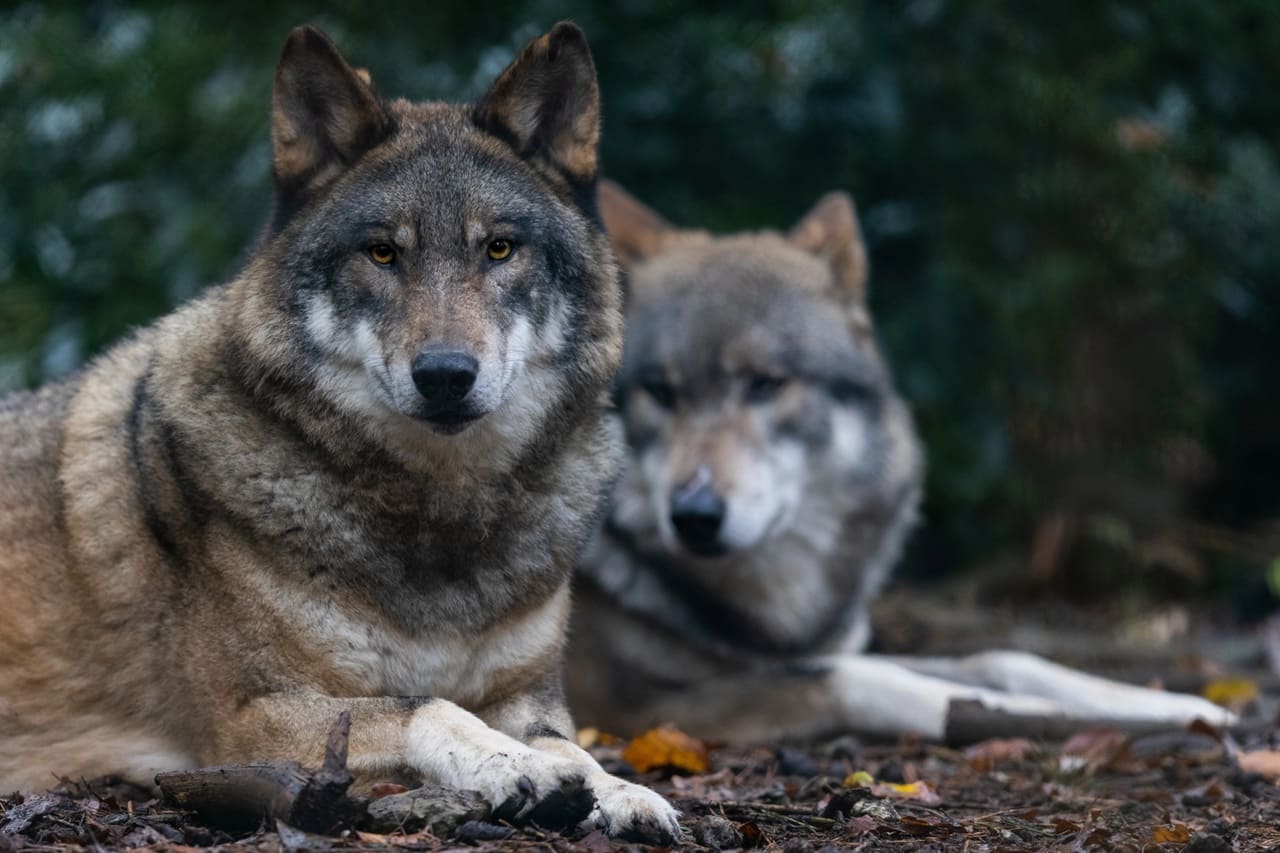
According to the wildlife wardens, the animal sustained fatal injuries from a gunshot wound. As no culling permits are currently in place for the region, the Graubünden cantonal police and the wildlife wardens have initiated a criminal investigation.


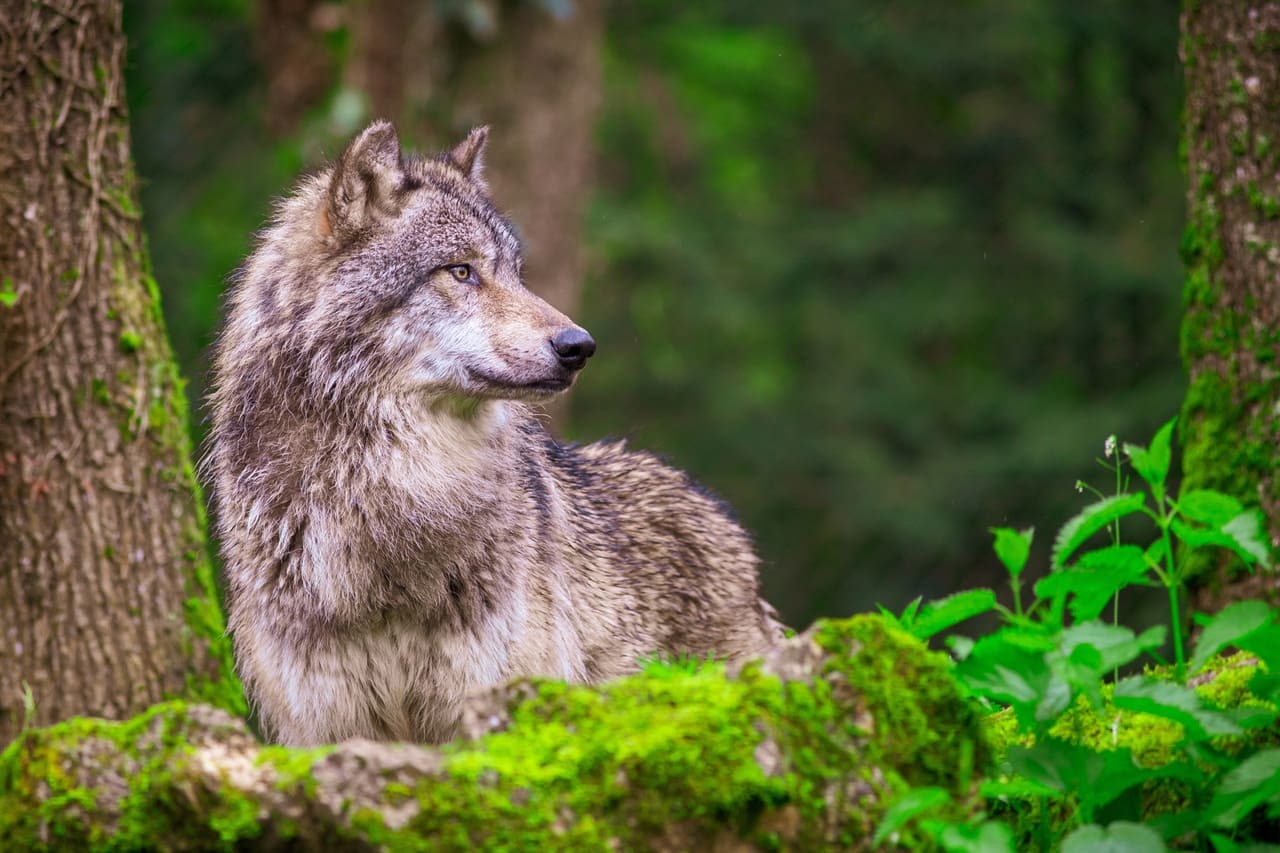
On Monday, 1 September 2025, a dead wolf was found in Val Poschiavo.
According to initial information, the wild animal was discovered by a private individual and reported to the authorities.
The responsible wildlife wardens recovered the carcass on the same day.
To date, no wolves in Val Poschiavo have been approved for culling under hunting regulations. In order to clarify the circumstances of this incident, the local wildlife wardens, in cooperation with the Graubünden cantonal police, immediately launched the necessary investigations.
Othmar Coser: “The perpetrators of wildlife protection offences often come from the ranks of hunters.”
The dead wolf is a male animal. The wolf carcass was transferred to the Centre for Fish and Wildlife Medicine (FIWI) in Bern for further forensic and biological analysis. The investigations are intended to provide information about, among other things, the circumstances of the act. The genetic analysis will be carried out at the Laboratoire de Biologie de la Conservation at the University of Lausanne.
The wolf population in the canton of Graubünden has increased significantly in recent years. While some regard the wolf as an important component of alpine biodiversity, its return continues to fuel debate and self-inflicted conflicts among farmers and sheep keepers. The latest discovery is likely to reignite this debate, particularly within the militant recreational hunter milieu.

More on the subject of recreational hunting: In the dossier The Role and Criticism of Recreational Hunters we shed light on the training, power and self-image of recreational hunters. The scientific evidence is presented in the overview Studies on the Effects of Recreational Hunting.
The position of IG Wild beim Wild: IG Wild beim Wild rejects recreational hunting. Our model is the canton of Geneva, which has managed without recreational hunting since 1974: without hunting seasons, without hunting dogs, without driven hunts, without high seats, without the animal cruelty and crime that go hand in hand with hunting season elsewhere. What has worked there for over fifty years disproves every position paper by JagdSchweiz. An association that bases its policy on claims it refutes in its own documents is not a professional organisation, but a factory for misinformation.