Insects drowned due to flooding and birds moved away
The Grande Cariçaie is home to around a quarter of Switzerland's animal and plant species, including numerous rare and endangered species. The four cantons of Vaud, Fribourg, Neuchâtel and Bern share this natural wealth.

The storms also affected the purple heron, a particularly rare species in Switzerland.
It will likely not raise any chicks this year, as its nests were flooded. Due to the high water levels at Lake Neuchâtel, some animal species have disappeared from the Grande Cariçaie, Switzerland's largest contiguous wetland. Many insects drowned and birds flew away to other locations.
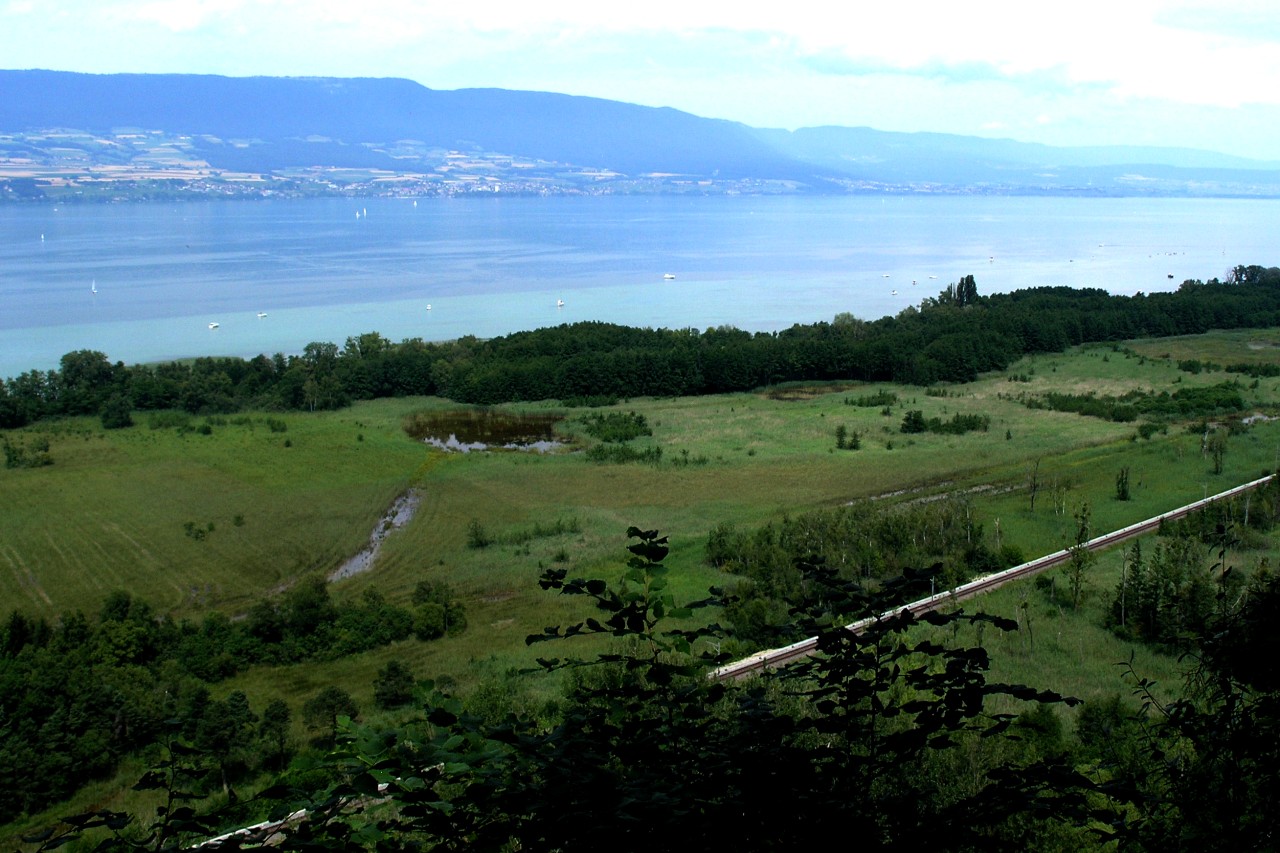
The Grande Cariçaie stretches along a 40-kilometre strip on the south-eastern shore of Lake Neuchâtel and encompasses eight nature reserves covering a total of around 3,000 hectares. Normally, visitors move along designated paths through the protected area, which consists of bogs, wetland forests and shallow water zones.
«Today the Grande Cariçaie looks like a lake overgrown with reeds. We go there by canoe or in boots that come up to our chests,» said Antoine Gander, biologist of the Grande Cariçaie association.
Initial observations showed a drastic decline in the number of dragonflies, grasshoppers and crickets. The rare and critically endangered small dragonfly, for example, had almost completely disappeared from its usual range, the expert explained. Only a few eggs survived the flooding.
Another victim is the very rare and highly localised shiny glass snail, which favours marshes and wet meadows. «It cannot survive days of flooding. At first it tried to escape by climbing up plant stems», said Gander. «Then it drowned.»
Broods abandoned
The number of birds has declined sharply.
Great crested grebes, reed buntings, reed warblers, and great crested grebes have fled to places where they can find more food. They may be far away, up to a hundred kilometers, but more likely in the surrounding ponds —
Christophe Sahli, ornithologist of the Grande Cariçaie association
Some broods were also destroyed. Ducks and other ground-nesting birds often lost their eggs. "Fortunately, the first brood of songbirds living in the marsh was saved thanks to", said the expert.
The purple heron, which is particularly rare in Switzerland, will likely not raise any chicks this year, as its nests were flooded. Between five and ten pairs live in the reserve.

Nature regenerates itself
Estimating the detailed consequences of the flooding for the protected area is difficult at this point. However, they are likely to be temporary in nature. Biologists expect that the birds that have moved away will return next year and that insects will recolonize the flooded areas.
Nature is resilient and very good at regenerating itself. A flood can also be something positive and accelerate the spread of certain species to other locations. "The flood of May 2015, while 30 to 40 centimeters lower, did not harm the populations of priority species", recalls biologist Gander.
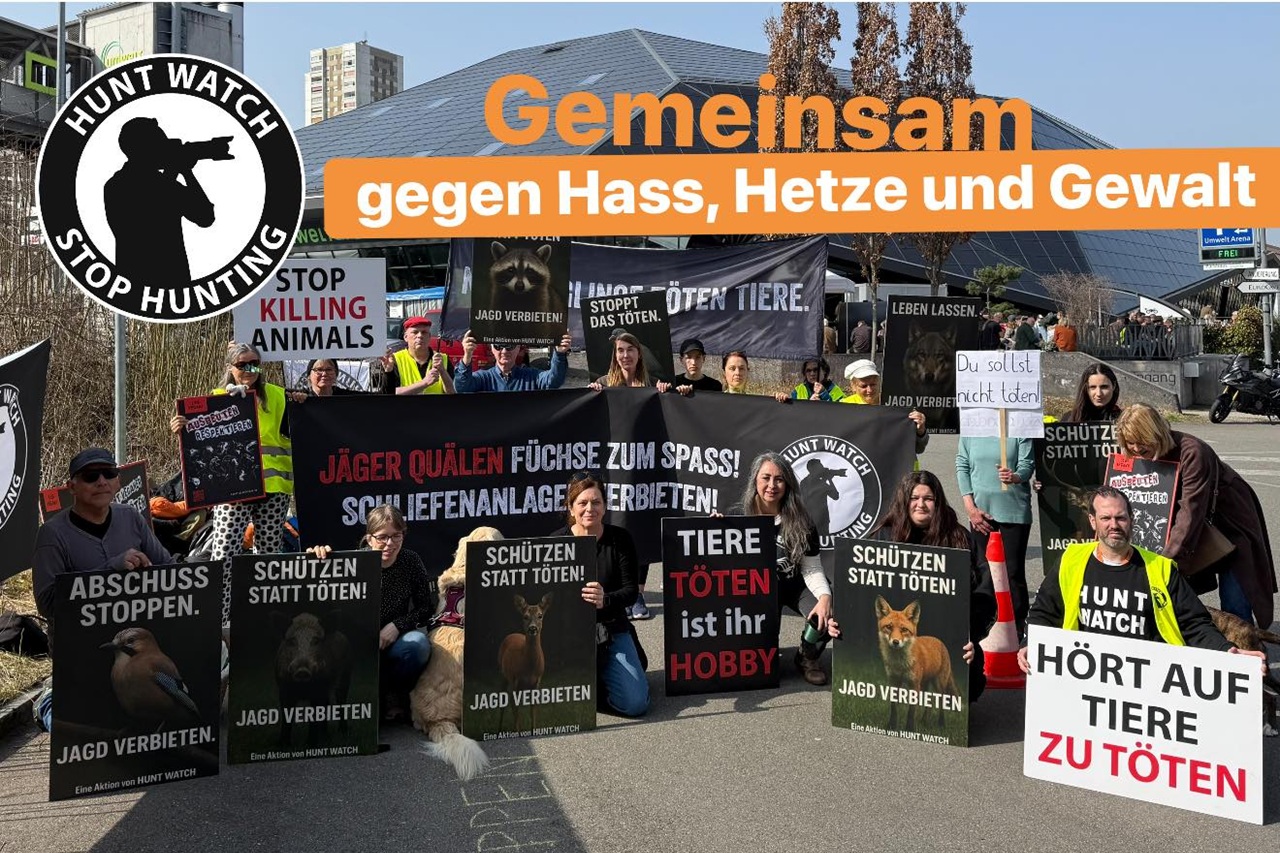
More on the subject of recreational hunting: In the dossier Poaching and hunting crime in Switzerland we document cases, legal questions and recurring patterns. What the research says about this is shown by Hunting fact-checked: the state of research.
The position of IG Wild beim Wild: IG Wild beim Wild rejects recreational hunting. Our model is the canton of Geneva, which has managed without recreational hunting since 1974: without hunting seasons, without hunting dogs, without driven hunts, without high seats, without the animal cruelty and crime that go hand in hand with hunting season elsewhere. What has worked there for over fifty years disproves every position paper by JagdSchweiz. An association that bases its policy on claims it refutes in its own documents is not a professional organisation, but a factory for misinformation.