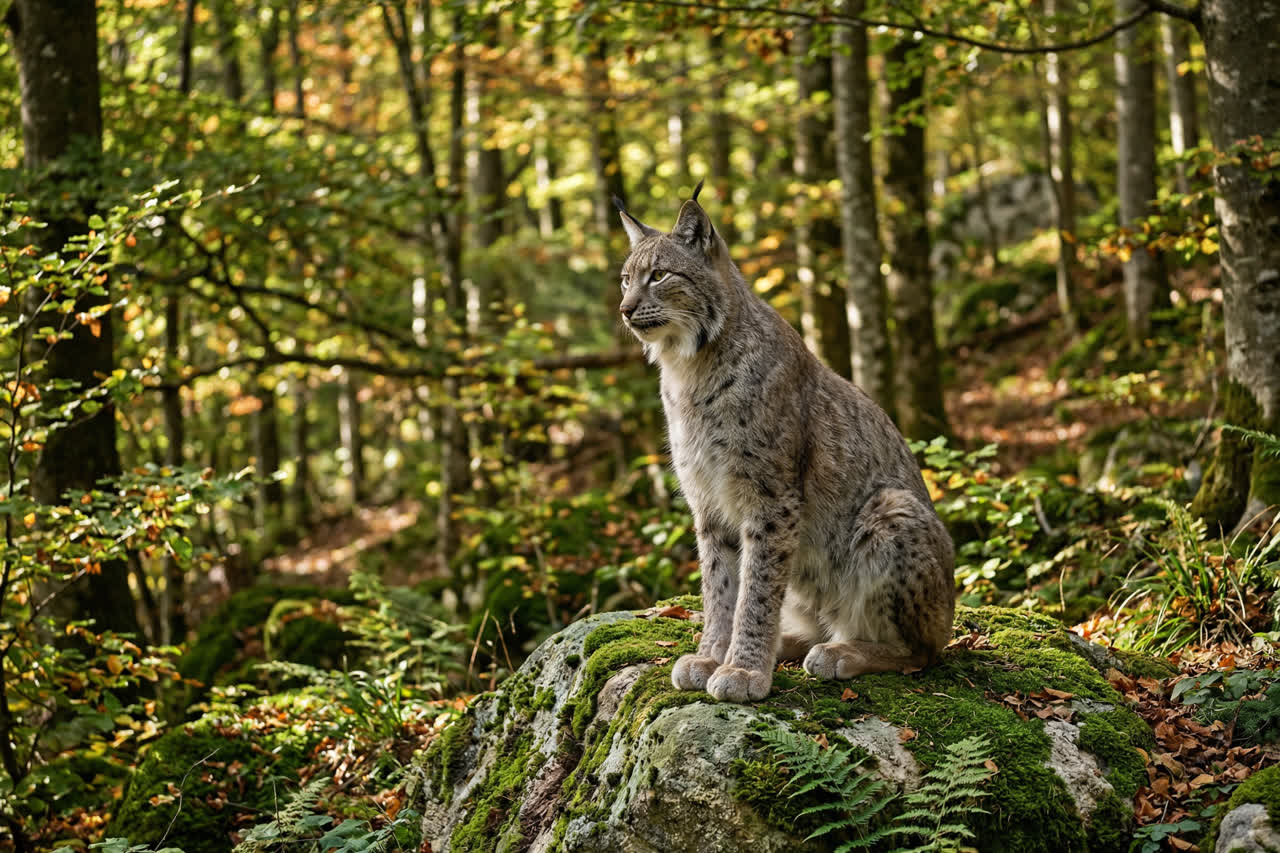
What are hunting-free zones and what do they deliver?
Without guns: What happens when recreational hunting stops.

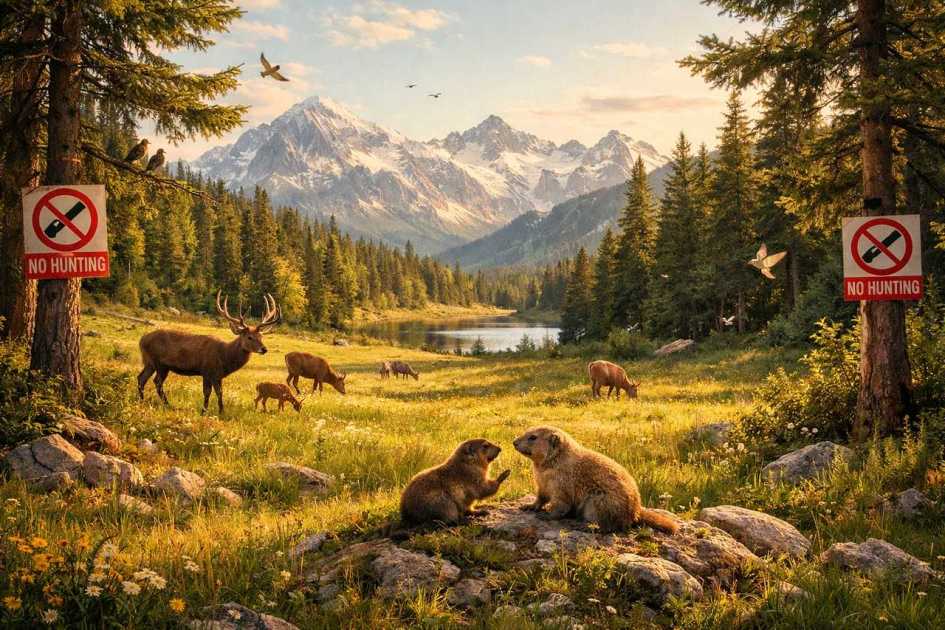
Hunting-free zones are areas where no recreational hunting takes place.
They demonstrate what happens when wildlife can live without hunting pressure: populations stabilize, social structures remain intact, and biodiversity measurably benefits. Geneva, the Swiss National Park and international research provide clear evidence for this.
What is a hunting-free zone?
Hunting-free zones are geographically defined areas where recreational hunting is completely or largely excluded. They can be created by law, popular vote or protection ordinance and differ significantly in their size, legal basis and level of protection.
In Switzerland, hunting-free zones exist in various forms: the Swiss National Park as a fully protected area, federal hunting ban areas that provide refuge for certain species, and the Canton of Geneva, which has been the only canton to completely ban recreational hunting since 1974. The dossier Hunting Ban Switzerland provides an overview of the legal foundations and geographic dimensions of these protected zones.
What hunting-free spaces mean for wildlife
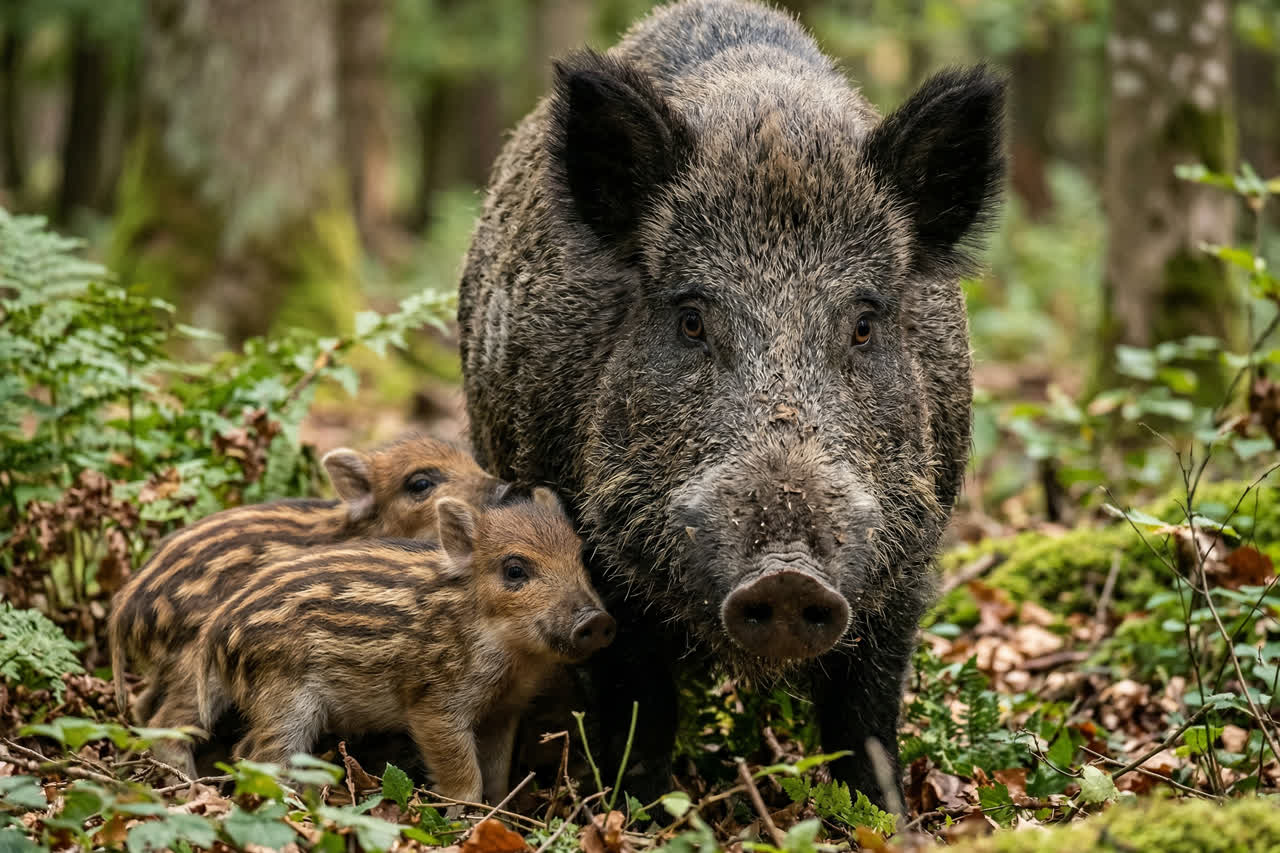
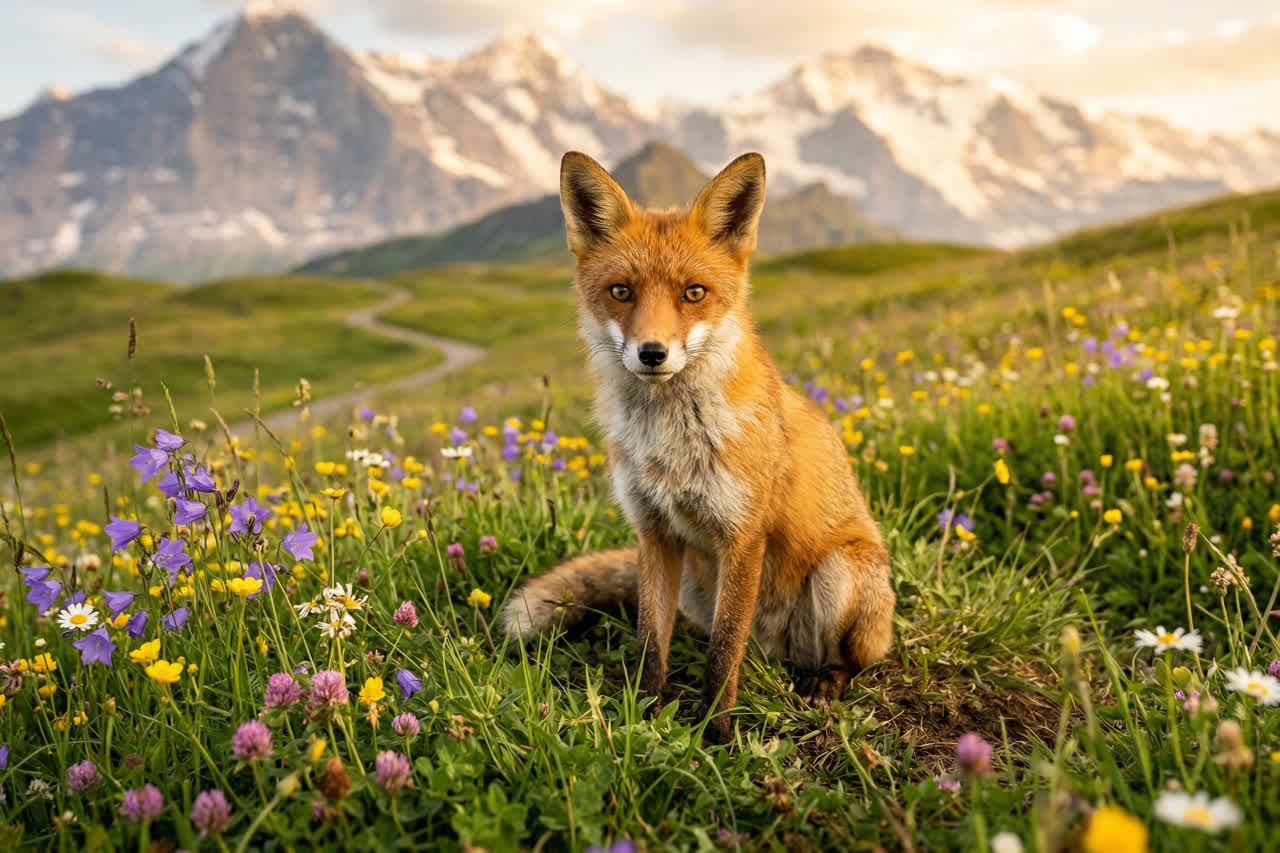
In hunting-free zones, wildlife can exercise their natural behavior undisturbed. They flee less, form more stable social groups and utilize their habitats more evenly. Research in hunting-free zones consistently shows that wildlife have lower stress hormone levels in their blood, exploit larger activity ranges, and use habitats they would avoid in hunted areas.
This is particularly relevant for nocturnal species living near humans: in areas with hunting activity, they avoid potentially dangerous areas even during the day. In hunting-free zones, this behavior normalizes.
The Geneva model: 50 years of a hunting-free canton
The Canton of Geneva has had no recreational hunting system since 1974. Wildlife regulation is carried out by professional wildlife wardens employed by the canton. What is the result? Wildlife populations in Geneva are stable, there are no overpopulation problems, and biodiversity has developed positively. The Hunting Ban Switzerland dossier analyzes the Geneva model and shows: a hunting-free system is practical, cost-effective and ecologically sound.
Geneva's experience refutes the hunting lobby's main argument that professional wildlife management is impossible without recreational hunters. The opposite is true: professional wildlife management works better without recreational hunters.
The Swiss National Park: What happens without hunting?
The Swiss National Park is the only zone in Switzerland where, for over 100 years, there has been consistent abstention from any human intervention in ecosystems – including hunting. Research findings from the National Park are unequivocal: wildlife populations regulate themselves, predator-prey relationships stabilize, and biodiversity is higher than in comparable hunted areas.
The dossier Hunting and Biodiversity demonstrates that the natural self-regulation of ecosystems is disrupted by hunting – and hunting-free zones can restore this regulation.
International evidence: What does research show?
Studies from Europe and North America consistently confirm that hunting-free zones have positive effects on wildlife populations and biodiversity. A well-known example is the reintroduction of wolves to Yellowstone National Park in the USA: the absence of hunting and the presence of predators changed the behavior of red deer and led to a revitalization of vegetation and waterways. The dossier Wolf in Switzerland describes comparable effects for the Swiss ecosystem.
Hunting-free zones and wildlife damage regulation
A common counterargument is that hunting-free zones lead to uncontrollable wildlife damage in agriculture. Geneva's experience refutes this. Professional wildlife wardens can intervene in a targeted and situationally appropriate manner if wildlife populations actually lead to conflicts. The wildlife warden model describes this approach: professional intervention instead of recreational hunting as a regulation mechanism.
What hunting-free zones mean for society
Hunting-free zones require a rethinking: wildlife are not viewed as a resource to be distributed and hunted, but as part of the ecosystem that is professionally managed. The dossier Alternatives to Recreational Hunting shows that this approach is widely accepted by society and that the public surveys favor hunting-free or reduced-hunting models.
Conclusion
Hunting-free zones work. Geneva has proven it for 50 years, the National Park for over 100 years, and international research confirms it with data. What hunting-free zones deliver: more stable wildlife populations, more intact ecosystems, higher biodiversity and wildlife management based on professional competence rather than recreational hunting.