Drought and heat are taking a toll on many animals
The dog days of summer are in full swing, bringing with them the hottest period of the year. The drought currently associated with this not only affects agriculture, but also many animals. The global animal welfare organisation FOUR PAWS offers tips on how to help wildlife in your own garden and how to behave during walks in the forest.

For several days now, a heatwave has had Switzerland firmly in its grip.
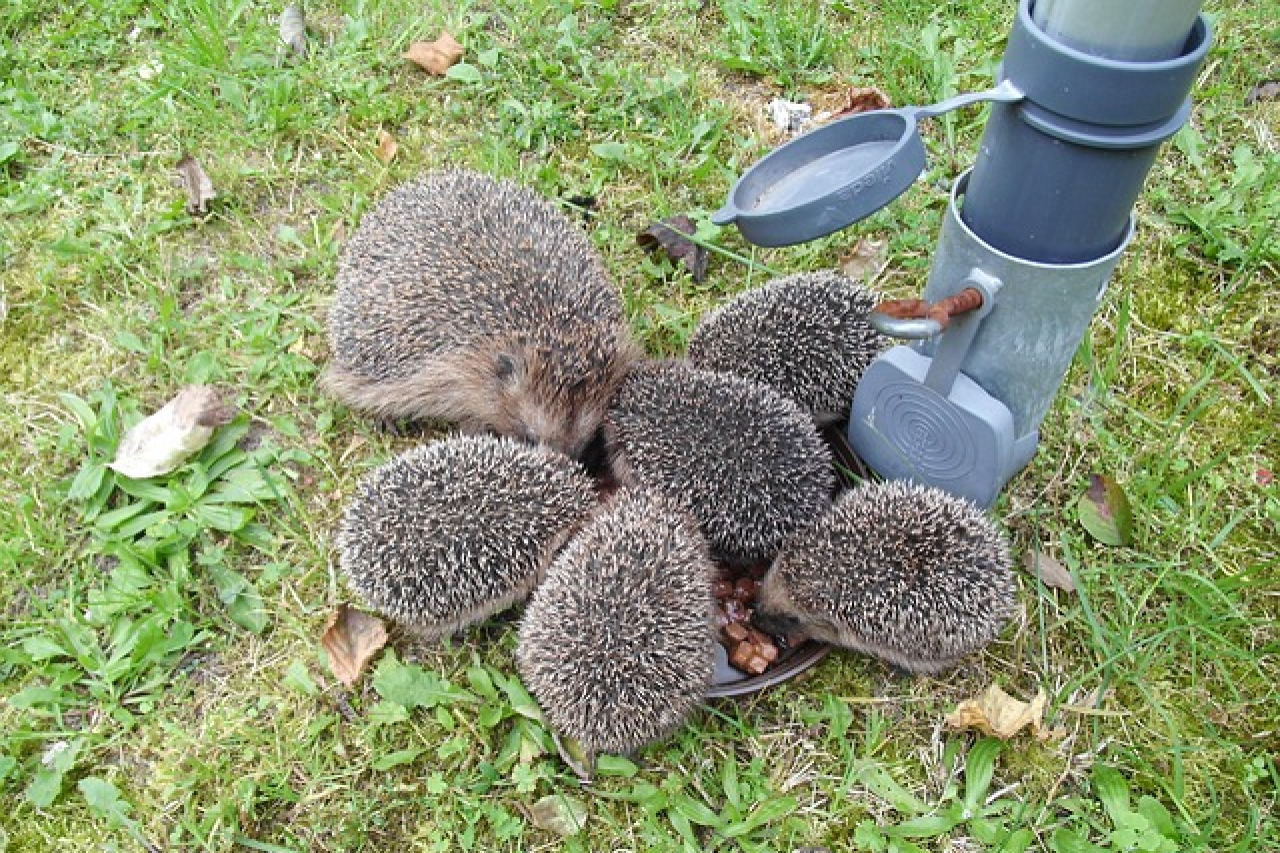
It is not only making us humans sweat profusely, but is also taking a toll on wild and domestic animals. Birds and hedgehogs, among others, have to make greater efforts to find water sources. Garden owners can help by placing shallow dishes filled with water outside.
However, the water sources must be cleaned daily to prevent pathogens from forming. The best way to do this is with hot, clear water without washing-up liquid, explains Dominik del Castillo, wildlife campaigner at FOUR PAWS Switzerland.
It is also a good idea to place stones or sticks in a pond or a deep dish so that animals can climb back out. Even in a shallow dish, small stones are helpful so that beneficial wild bees, among others, can drink from it. Del Castillo explains how to quickly make such a bee drinking station: simply fill a shallow dish with water and place a few flat, sloping stones inside as a landing area. “The drinking station can then be decorated to your heart’s content with water-absorbing materials such as wood, cork or moss.”
Showing consideration for wildlife
Wild animals such as wild boar, roe deer, red deer and foxes face fewer problems due to the lack of water. For them, the situation only becomes critical during prolonged drought over an extended period of time. As a result of the drought, many plants grow more slowly or not at all, and the supply of herbs, grasses and other forage plants decreases significantly. Insects, which are an important food source for many animals, also become scarcer in heat and drought.
For those taking walks in the forest, it is also advisable to show particular consideration for wildlife at this time. “Startled wild animals consume energy and must lower their body temperature again after a flight response. This causes the animals to become thirsty more quickly and they must go in search of a water source,” explains del Castillo. In addition, fire risks must be avoided at all costs, as fire destroys plants and trees and thus the basis of life for countless animals. Smoking and open fires near dry fields and forests are therefore strictly off-limits. Incidentally, cars with their heated catalytic converters can also ignite dry grass or small twigs. It is therefore advisable to park only on sandy or paved surfaces.
Many pets cannot sweat
A particular source of danger at present is the consistently high temperatures for animals without sweat glands. These include popular pets such as dogs, hamsters and guinea pigs. Pets kept in outdoor enclosures are at particular risk. In rodents, temperatures of around 25 degrees can already lead to collapse. Owners should make sure to provide a shaded spot for them, keeping in mind that the position of the sun changes throughout the day. It is also important to avoid drafts and to provide sufficient cool drinking water. Fresh, juicy green fodder is a welcome supplement.
Cats are less dependent on their owners, however, when they are able to go outside and independently seek out cool retreats. Indoors, they also need a cool spot, just as they need adequate drinking opportunities. Since some cats are reluctant to drink, owners should encourage them to do so — for example by offering running or dripping water, which they find more interesting than liquid in a bowl.
With dogs a dip in a lake, pond, or paddling pool helps in addition to a generous water supply. On hot days, walks should ideally take place during the cooler morning or late evening hours. Parks with plenty of shade-providing trees or walks on a leash in the forest are well suited for this. Caution: On hot asphalt, there is a risk that the four-legged friend may burn their paws. Therefore, the temperature of the ground should always be tested with your hand first. Another, potentially fatal heat trap is the car, which can turn into an oven even at 20 degrees. Dogs should therefore never be left in the car.