
Template text: Transparent hunting statistics in the canton
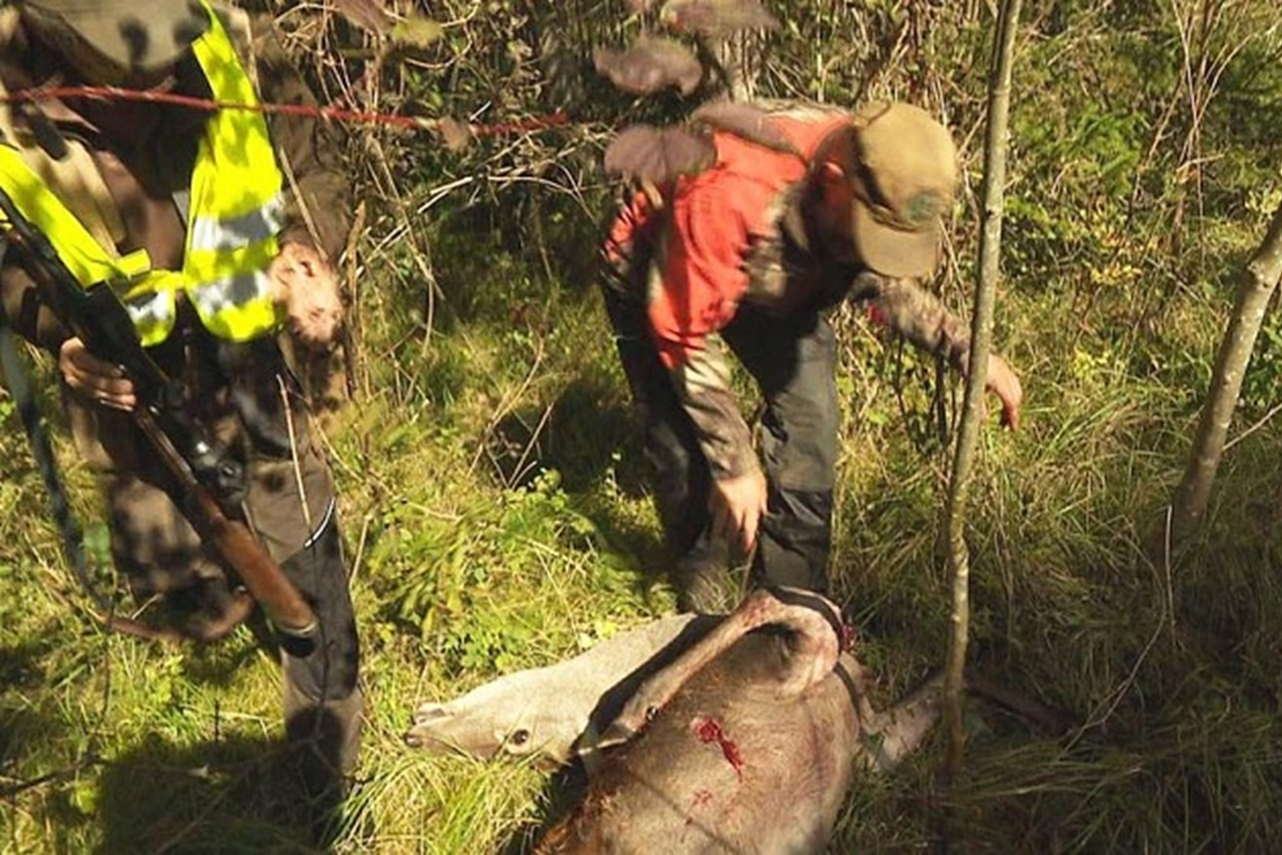
Hunting in canton (………) should become more transparent. Kills, tracking, missed shots and collateral damage must be systematically recorded annually and made accessible to the public in an understandable form.
1. Motion
The Government Council is mandated to submit to the Grand Council a proposal for amending the Law on Hunting and Wildlife Protection (………) as well as the Hunting Ordinance (…………), establishing comprehensive, publicly accessible hunting statistics by law in canton (………). The legislative revision must ensure in particular:
- that the canton annually publishes standardized hunting statistics containing at least the following information:
- Number of kills per wildlife species, by gender and age class
- Number of animals shot but not immediately killed (tracking)
- Number of missed shots and animals shot but not found
- Number of non-target species accidentally killed or injured (for example protected species, domestic animals).
- that the hunting statistics are organized by hunting areas or regions, so that spatial developments can be tracked without disclosing personal data.
- that all hunters are obligated to report their kills, tracking, missed shots and collateral damage completely, truthfully and on time in a system specified by the canton.
- that wildlife wardens and other enforcement agencies conduct random checks of reported data and take appropriate investigations in case of discrepancies or suspicious cases.
- that explicitly provided sanctions in hunting and possibly criminal law apply in case of violation of reporting obligations or intentionally false statements.
- that the collected data be processed by the canton so that they:
- serve parliament, authorities and professionals for assessing hunting practices and wildlife management
- are freely accessible to media and the interested public, for example in the form of an annually updated online dashboard.
- that qualitative information be included in an additional report section, specifically:
- special incidents in connection with hunting activities
- documented conflicts with recreational users, farmers or animal welfare
- relevant accidents with property damage or personal injury in the context of hunting.
- that the government council demonstrates in its message:
- which data are already being collected today and where gaps exist
- which adjustments to procedures, IT systems and responsibilities are necessary
- what additional costs are to be expected and how these should be financed.
The government council takes data protection into account when drafting the proposal. Personal data of hunters must be protected. However, the public should be able to objectively understand the scope, quality and impacts of hunting practices in the canton (………).
2. Brief Justification
Hunting is a state-regulated intervention in the lives of wild animals and in natural habitats. It is legitimized with reasons such as wildlife damage prevention, population regulation or disease prevention. Whether these goals are actually achieved and whether hunting practices comply with animal welfare can only be assessed if the relevant data are complete and transparent.
Today, public information is often limited to rough kill numbers by species. Important aspects such as tracking wounded animals, missed shots, injured and unfound animals or non-target species hit are mostly not systematically recorded or remain hidden in drawers. The frequency of conflicts with recreational users and accidents in the context of hunting is also rarely disclosed.
From the perspective of animal welfare, environmental law and democratic control, this lack of transparency is problematic. The population bears the ecological and ethical consequences of hunting, but has little insight into actual practice. Parliament and authorities decide on hunting laws and regulations without having a solid, publicly verifiable data foundation.
A consistent hunting statistic with clear reporting obligations and annual publication creates a remedy here. It enables:
- a fact-based discussion about the purpose, scope and forms of hunting
- early detection of negative developments, such as excessive kill numbers or frequent missed shots
- better control over whether animal welfare requirements are being met
- honest information to the public instead of embellished hunting propaganda.
The additional effort is manageable compared to the benefit, especially since much data is already at least partially collected today. With the present motion, the government council is tasked with organizing this area, standardizing it and legally securing transparency.
Those who claim to shoot in the name of nature and the general public should not be afraid of numbers. Transparency is the minimum requirement for a modern, accountable hunting policy.