
Ban on cruel trapping and lure hunting
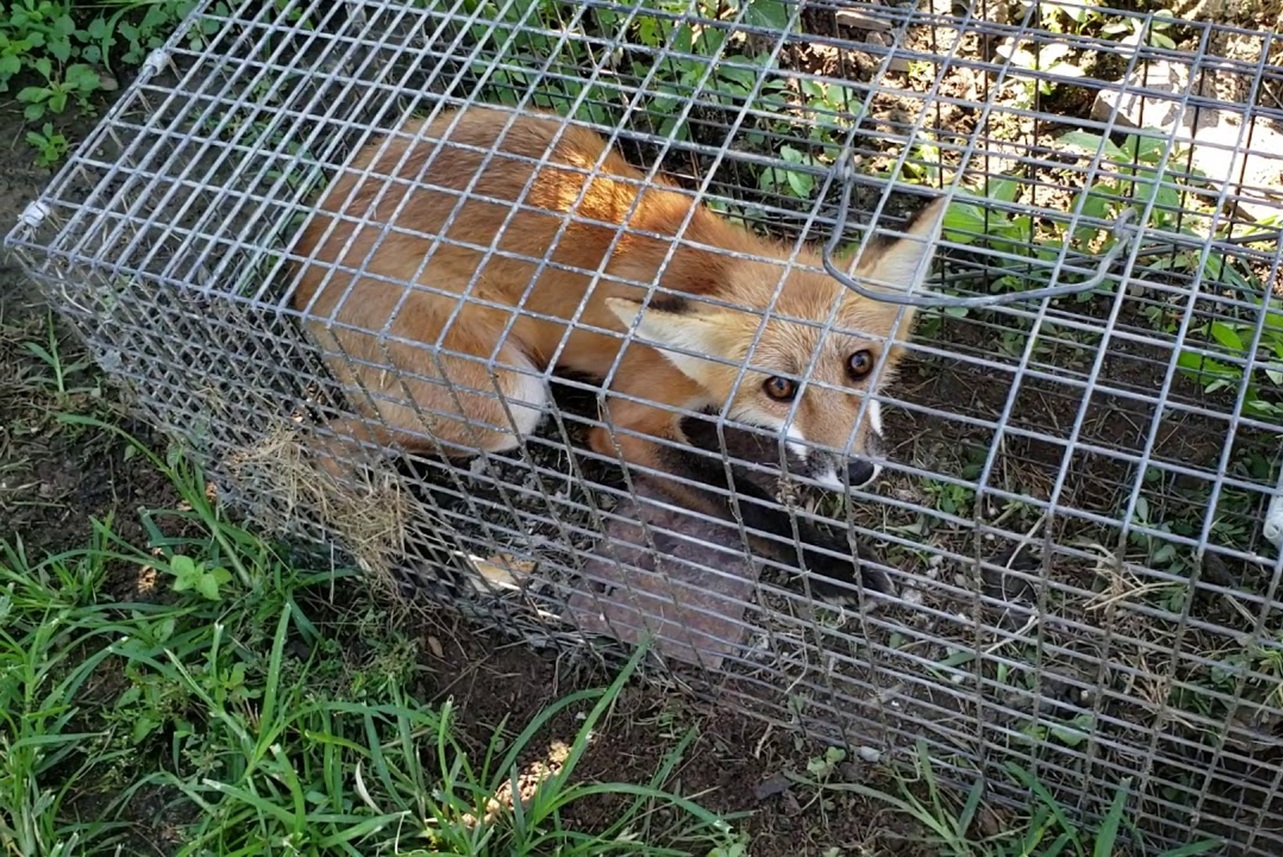
Trapping and lure hunting cause severe suffering, stress and agonizing injuries to wild animals and non-target species. The canton (………) should ban cruel traps and lure methods and consistently align hunting practices with animal welfare requirements.
1. Motion
The Government Council is instructed to submit to the Grand Council a proposal for amending the Law on Hunting and Wildlife Protection (………) as well as the Hunting Ordinance (…………), with which cruel trapping and lure hunting is banned in the canton (………) and the remaining hunting practices are bound to strict minimum animal welfare standards.
The revision of laws and ordinances must in particular ensure that:
- that the use of trapping devices is banned where animals can be severely injured, trapped in panic for extended periods or can die slowly, in particular:
- Traps in which body parts can be clamped or crushed
- Trapping devices with drowning effects or comparable mechanisms.
- that the use of traps in which animals are exposed unprotected to weather, moisture, cold or heat is banned, regardless of the target species.
- that bait stations, carrion and feed displays for the targeted attraction of foxes, martens, crows, corvids or other wild animals for the purpose of recreational hunting are banned.
- that lure hunting with artificial sounds, electronic or mechanical lure devices, acoustic imitations of prey animals or conspecifics and similarly acting aids on wild animals is banned.
- that the use of attractants with scents, urine, glandular secretions or other manipulation substances is reduced to a minimum and completely prohibited at least for certain species with high suffering and stress potential (including fox, badger, marten, corvids).
- that, if traps are still permitted at all, these may only be used as animal welfare-compliant live traps, under the following cumulative conditions:
- mandatory, very short control intervals (at least daily control, shorter intervals during sensitive periods)
- Protection of captured animals from weather, cold, heat and moisture
- clear guidelines for immediate, professional and pain-minimized killing when release is not possible
- prohibition of use during sensitive periods such as breeding and rearing phases of non-target species, unless bycatch can be ruled out.
- that the canton creates a licensing and control system for all remaining permitted traps and attractants, specifically:
- registration and marking of traps
- mandatory documentation of trapping days, target and bycatch
- random inspections by game wardens and other enforcement agencies.
- that bycatch of protected species, domestic animals or other non-target species must be reported and lead to a review of the suitability of the responsible person for hunting practice, up to revocation of the hunting license.
- that hunting education and examination includes mandatory modules on animal welfare law, modern ethical standards, behavior of trapped animals and alternatives to trap and lure hunting.
- that the Government Council sets out in its message:
- which trapping and lure methods are currently used in the canton
- which forms are untenable from an animal welfare perspective
- how the proposed prohibitions and restrictions will concretely lead to less animal suffering and better enforcement
- what organizational and financial impacts can be expected for canton, municipalities and hunting districts.
The Government Council ensures that cantonal provisions comply with federal law requirements, but may provide for more extensive, stricter protection standards in the area of animal welfare.
2. Brief justification
Trap and lure hunting belong to the most brutal and non-transparent areas of hobby hunting, also in Switzerland. Animals caught in cage traps and other capture devices often suffer for extended periods from fear, pain, thirst, cold or heat. Limbs can be injured, animals panic, injure themselves or suffer internal damage. Even with traps sold as 'animal welfare compliant,' malfunctions, excessively long control intervals and improper killing are commonplace.
Traps do not cleanly distinguish between target and non-target species. Protected wildlife, young animals, ground-nesting birds, hedgehogs, house cats or dogs repeatedly get caught in traps not intended for them. They die slowly or are injured without this ever being statistically recorded or made public. Bycatch is not a marginal operational accident, but a systemic consequence of these methods.
Lure hunting with bait sites, carrion, artificial sounds and scents relies on targeted manipulation of instincts. Wild animals are lured into specific areas over extended periods, where they become accustomed to feeding sites and are then shot. This is not only ethically problematic, but also leads to shifts in natural movement patterns, increased stress, unnecessary travel and additional burden on populations already suffering from habitat loss and fragmentation.
From the perspective of modern, animal welfare-oriented hunting policy, it is unjustifiable that recreational hunters let animals suffer for hours in traps or lead them to death through sophisticated bait and lure systems. This contradicts the fundamental principles of Swiss animal welfare law, which prohibits unnecessary pain, suffering and anxiety. Those who claim to act in the name of alleged wildlife management must also be prepared to abandon the most brutal and archaic methods.
Additionally, trap and lure hunting are particularly non-transparent. What happens in remote forest areas, at bait sites or in hidden traps largely escapes public perception. Controls are difficult, bycatch is often not reported or only incompletely reported, and the suffering stories of affected animals appear in no official statistics.
The motion therefore pursues three objectives:
- First, obviously animal-torturing capture methods and lure practices should be consistently banned.
- Second, any remaining traps should be reduced to a few, strictly controlled live traps, with clear intervals, protection requirements and strict documentation obligations.
- Third, lure hunting with artificial sounds, false prey and scents should be restricted as much as possible or completely banned for particularly stressed species.
In a time when more and more people emphasize humanity's moral co-responsibility toward other sentient beings, it is unacceptable that methods clearly classifiable as cruel from an animal welfare perspective are practiced precisely in the state-regulated area of hobby hunting. Those who insist on hunting must at least separate themselves from the worst violent practices.
Trap and lure hunting are hunting in the shadows. Those who want to kill animals in the name of the state should not be allowed to do so with hidden torture devices and manipulative bait systems.