
Hunting criticism becomes politically actionable: Wild beim Wild publishes template texts and expands dossiers
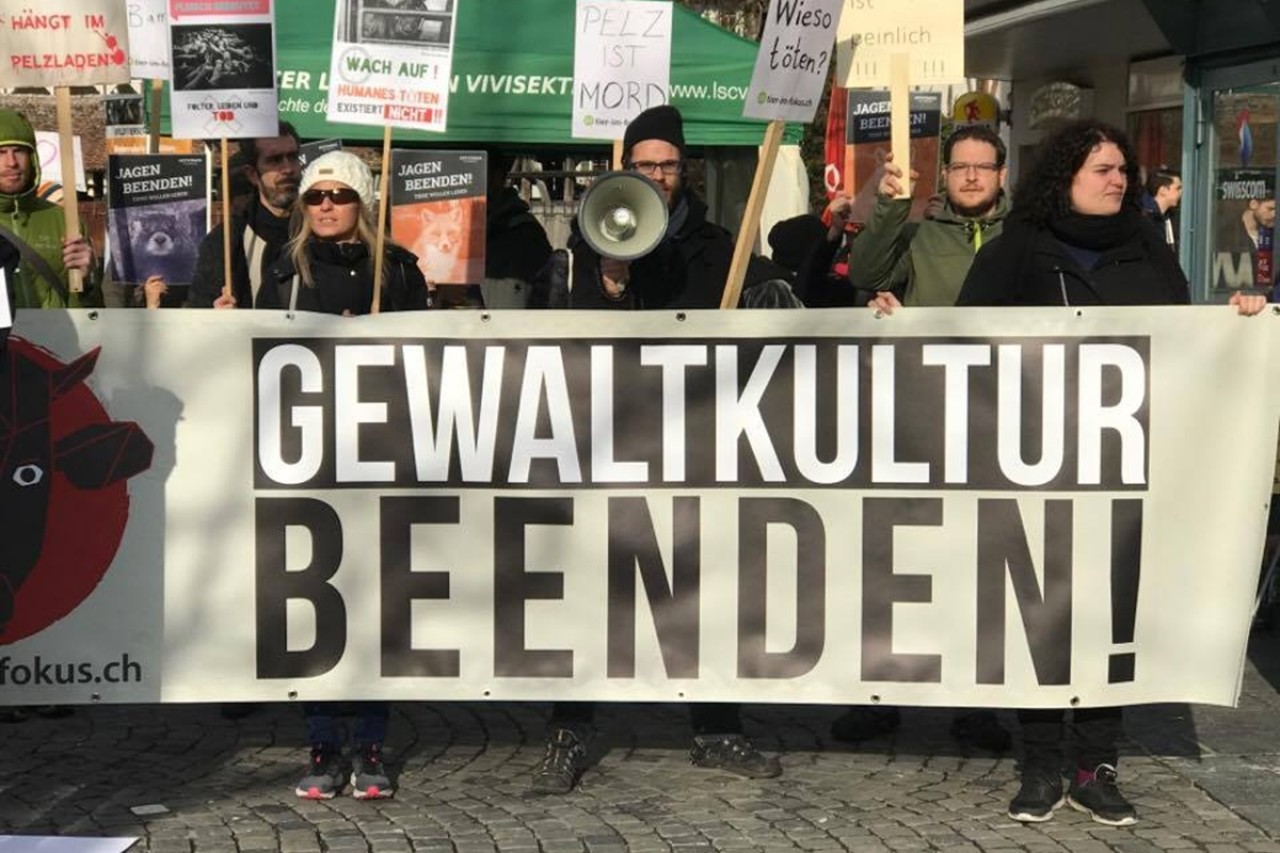
The hunting-critical platform wildbeimwild.com now provides two new offerings that fundamentally change the political and professional access to the recreational hunting debate in Switzerland: a collection of template texts for hunting-critical initiatives in cantonal parliaments as well as a growing library of thematic dossiers with facts, studies and analyses on Swiss hunting policy.
Template texts: From arguing to action
Those who want to politically challenge recreational hunting in Switzerland often face a practical hurdle: How does one formulate a parliamentary initiative that is legally sound, professionally founded and politically effective? This is exactly where the template texts for hunting-critical initiatives come in. They provide ready-formulated motions, postulates, interpellations and cantonal popular initiatives that cantonal councilors can directly adopt and adapt to cantonal legislation.
The collection includes templates on the following topics, among others:
- Ban on fox hunting for recreational purposes and replacement with science-based regulation
- Restriction of stand hunting with baiting ban, night stand ban and rest zones for wildlife
- Ban on high-tech hunting methods such as thermal imaging cameras, night vision devices and drones
- Pacification of private property for ethical reasons
- Cantonal popular initiatives 'For professional wildlife protection' based on the model of the Canton of Geneva, including templates for Zurich and Basel-Stadt
All template texts are designed to be adaptable to the respective cantonal legislation. They are based on verifiable sources, official data and current research literature.
Dossiers: Consolidating knowledge, sharpening arguments
The dossier collection on wildbeimwild.com consolidates analyses, studies and research on the central themes of the Swiss hunting debate. Unlike individual articles, dossiers offer a structured introduction to complex contexts and are continuously updated. The collection is growing continuously and already covers the following focal points:
- Wolf in Switzerland: Facts, politics and the limits of hobby hunting
- Poaching and hunting criminality in Switzerland
- The marmot in Switzerland: Ice age relic under climate stress and mass culling
- Hunting and biodiversity: Do hobby hunters really protect nature?
All dossiers cite sources, link to original documents and clearly separate between verifiable statements and assessments. Where the study situation is only of limited reliability, this is openly communicated.
Why these tools are needed now
Swiss hunting policy is under growing pressure. The revised hunting ordinance, which came into force on 1 February 2025, permits the so-called proactive regulation of wolf packs, i.e. culling even before proven damage – a break with the previous understanding of protection. At the same time, the Valais wolf balance documents a hunting policy that increasingly undermines international legal standards. In Sweden, courts have stopped the planned wolf hunt for 2026 because authorities could not guarantee species protection.
In this context, hunting-critical work needs more than arguments. It needs politically deployable instruments. The template texts and dossiers on wildbeimwild.com fill this gap.