The World's Most Toxic River Washes Up New Mountains of Waste
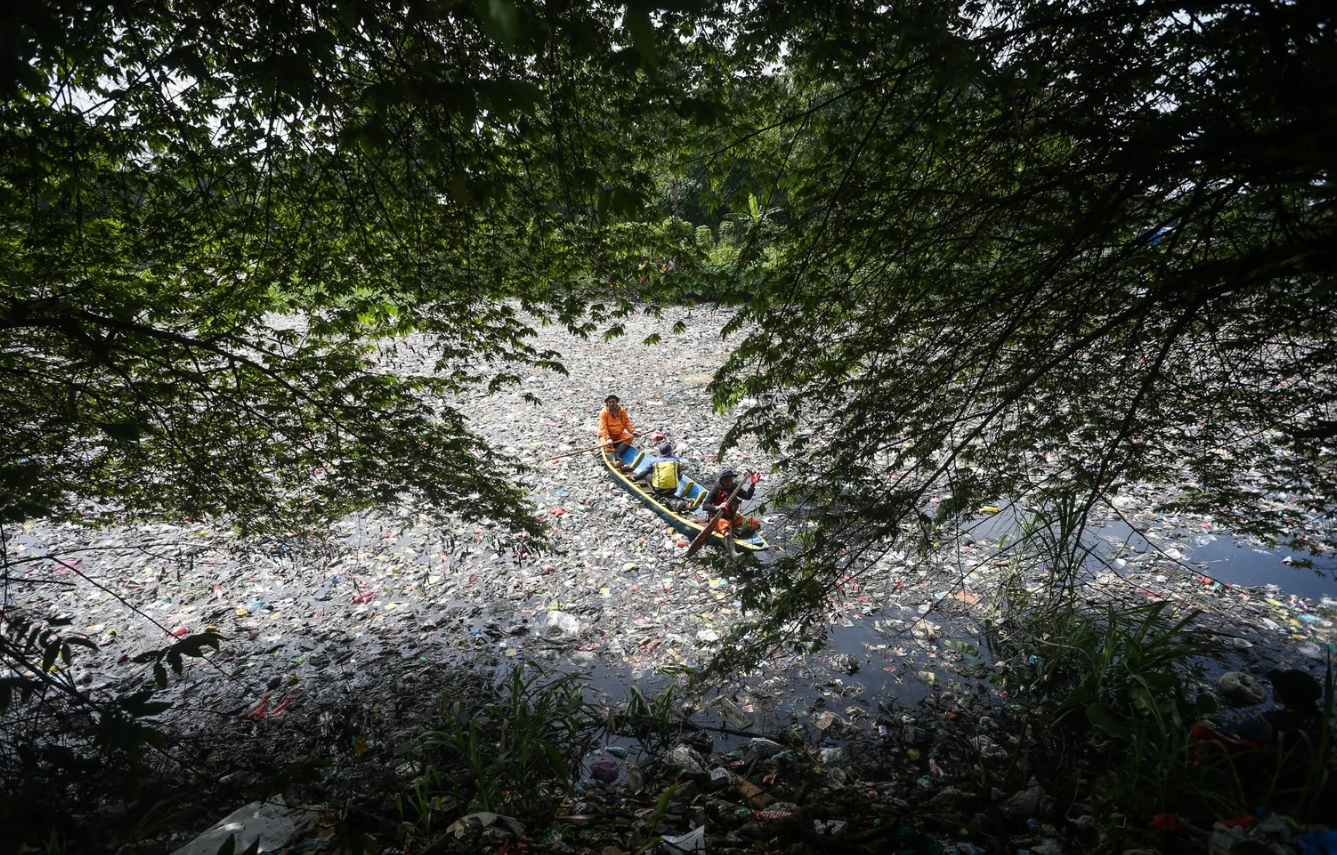
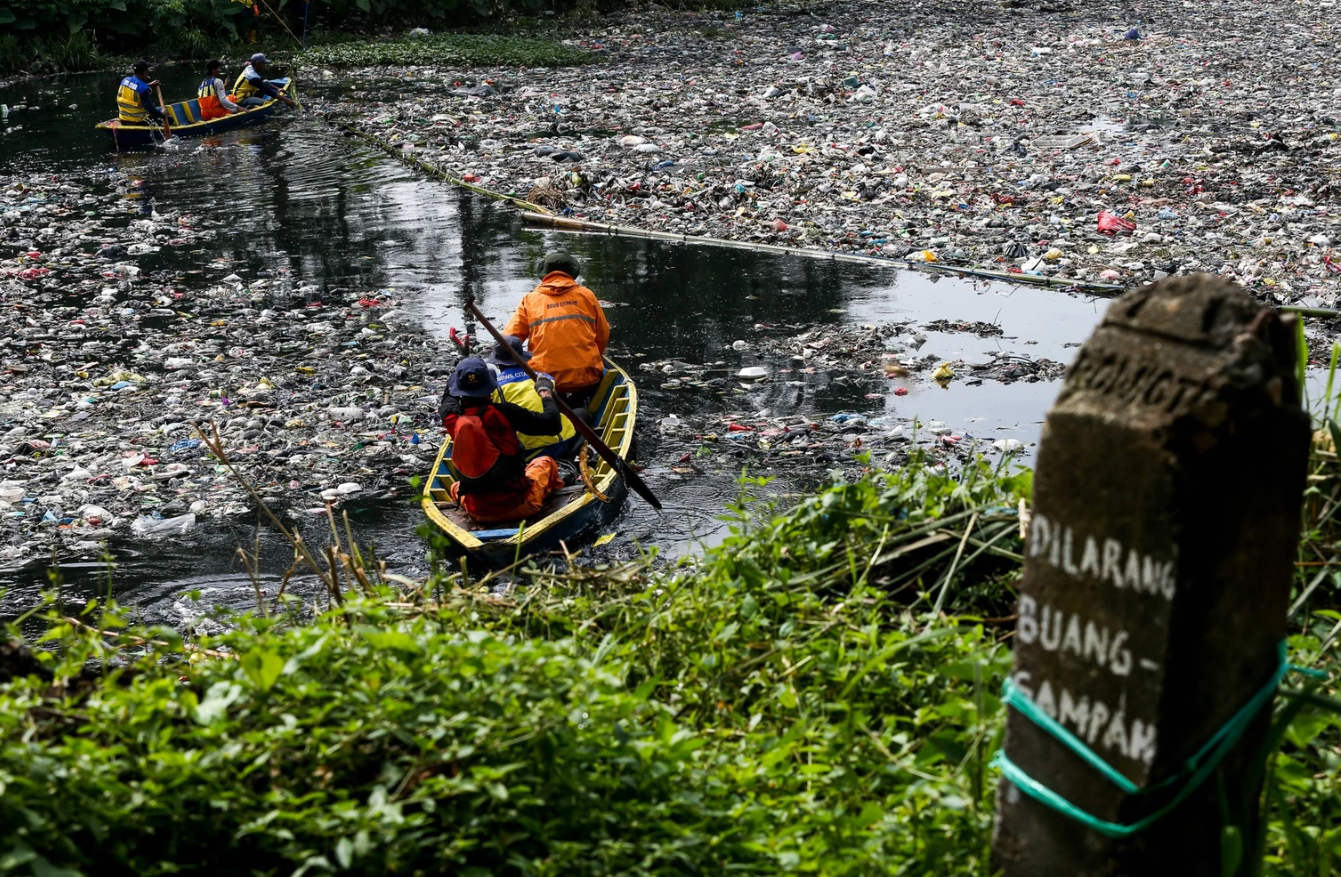
Despite years of efforts, Indonesian authorities have been unable to bring the enormous piles of waste in the Citarum River on the main island of Java under control. Vast quantities of plastic waste are once again drifting along the 270-kilometre waterway in the province of Jawa Barat (West Java).

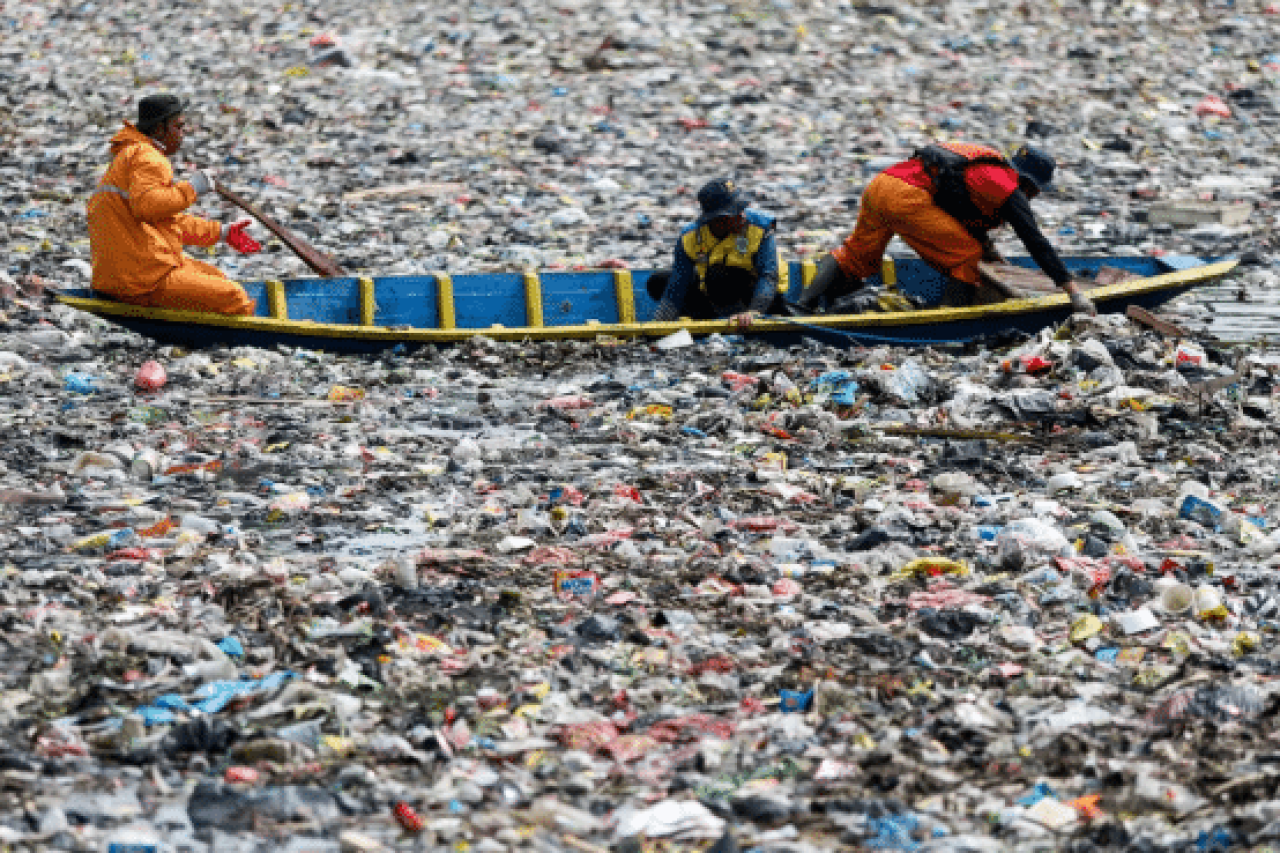
The Citarum, which flows through a densely populated region, is considered the world's most polluted river.
The Asian Development Bank (ADB) had already allocated hundreds of millions of dollars for its cleanup in 2008. The government in Jakarta also invested significant funds. The pollution of waterways is a global problem with devastating consequences for wildlife.


19 Tonnes of Waste Since the Start of the Year
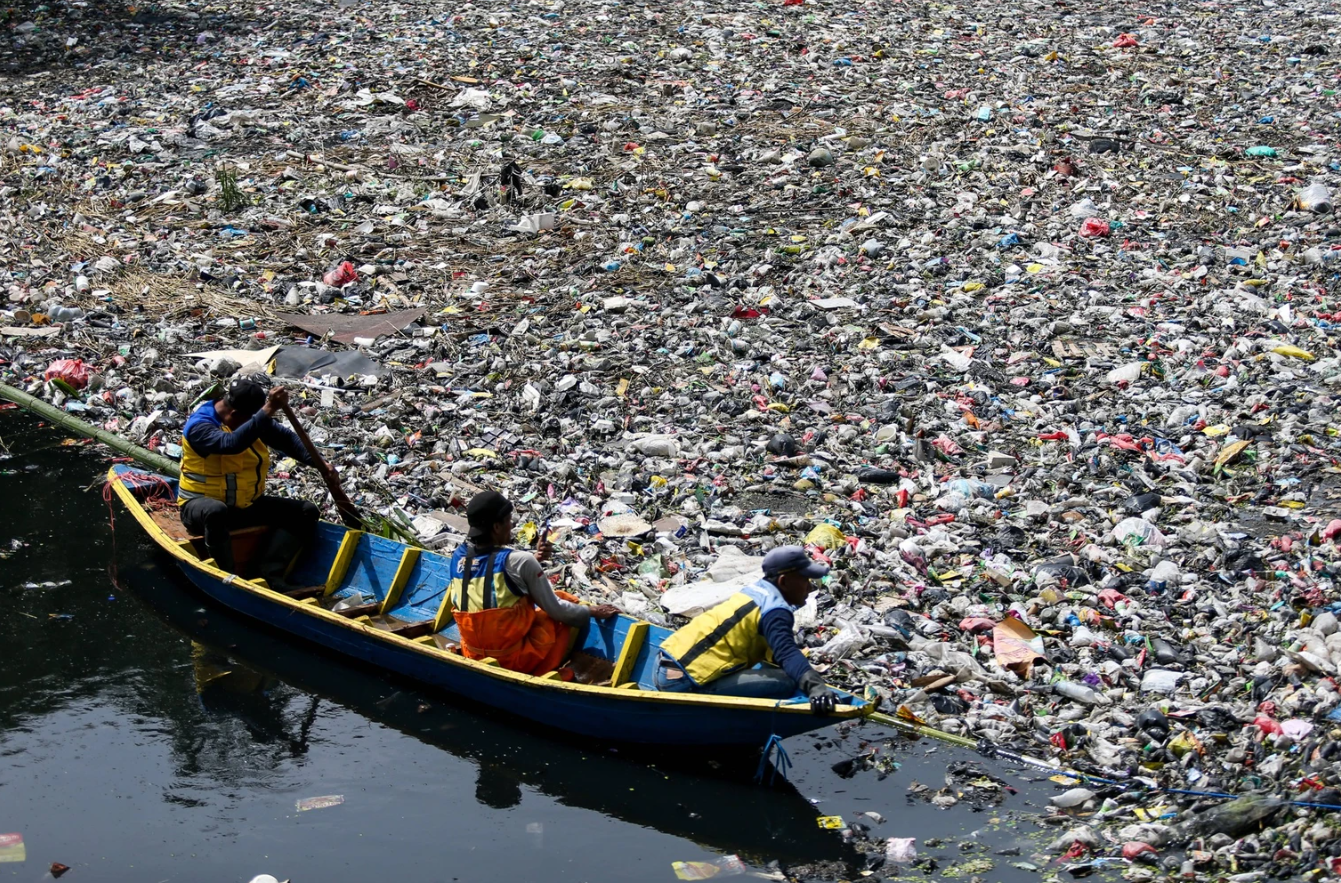
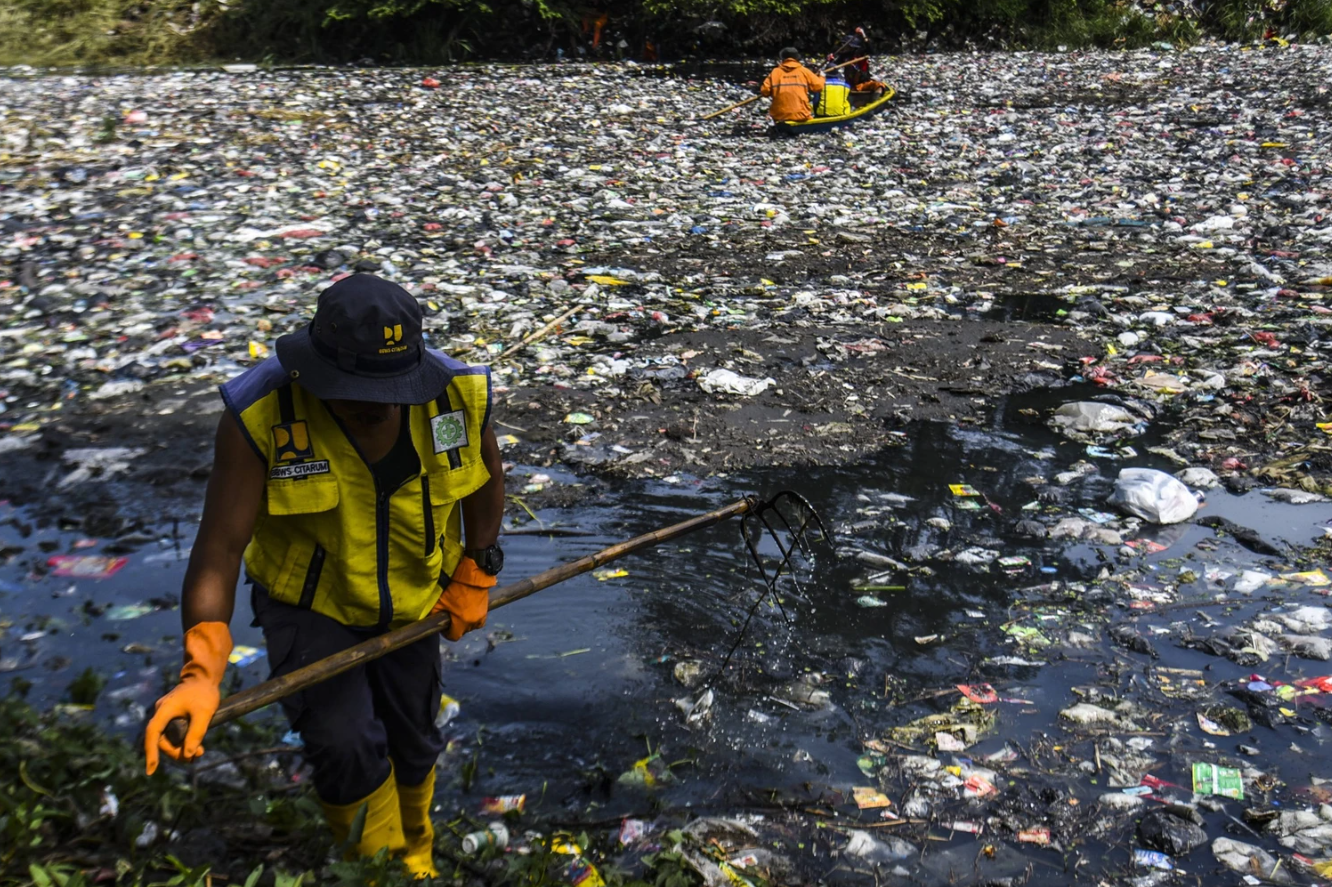
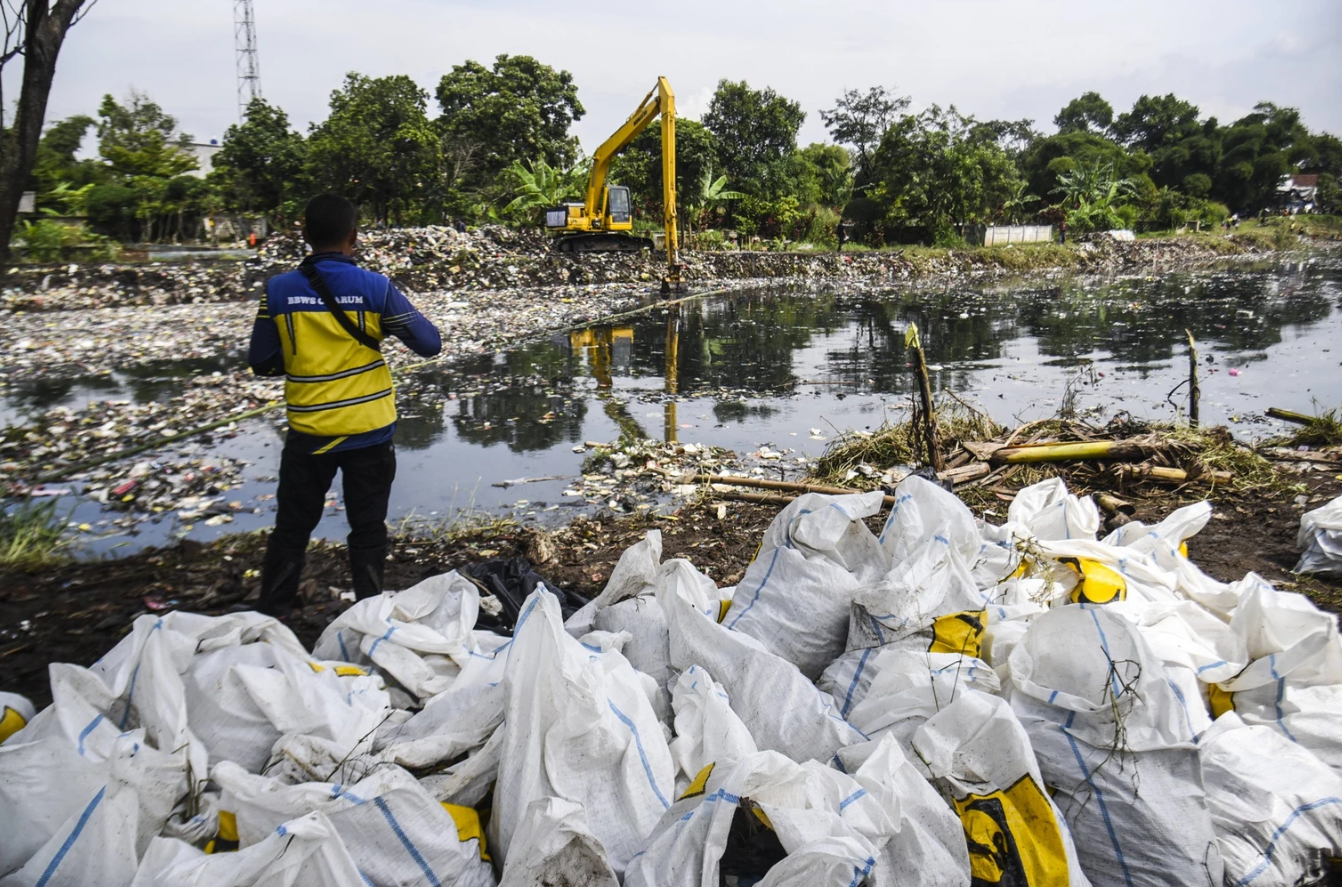
The Indonesian news agency Antara reported, citing the Citarum River Basin Center (BBWS), that 19 tonnes of waste had accumulated again near the city of Bandung over a stretch of 800 metres since the beginning of the year.
Officials are deployed in boats to continuously remove the waste, which in some places reaches a height of two metres. And yet, only last year, the government had proudly presented its progress in cleaning up the Citarum at the «World Water Forum» in Bali. The contamination of wildlife with environmental toxins is also a global problem.
Where Does All the Waste Come From?
Heavy rainfall, flooding and strong winds in particular regularly cause new mountains of waste to accumulate — as has been the case in recent days. Wastewater and waste from textile factories are among those responsible for the pollution. In addition, countless residents dispose of their household waste in the river. At the same time, according to the newspaper «Jakarta Post», around 27 million people in West Java and the capital Jakarta depend on the water of the Citarum.