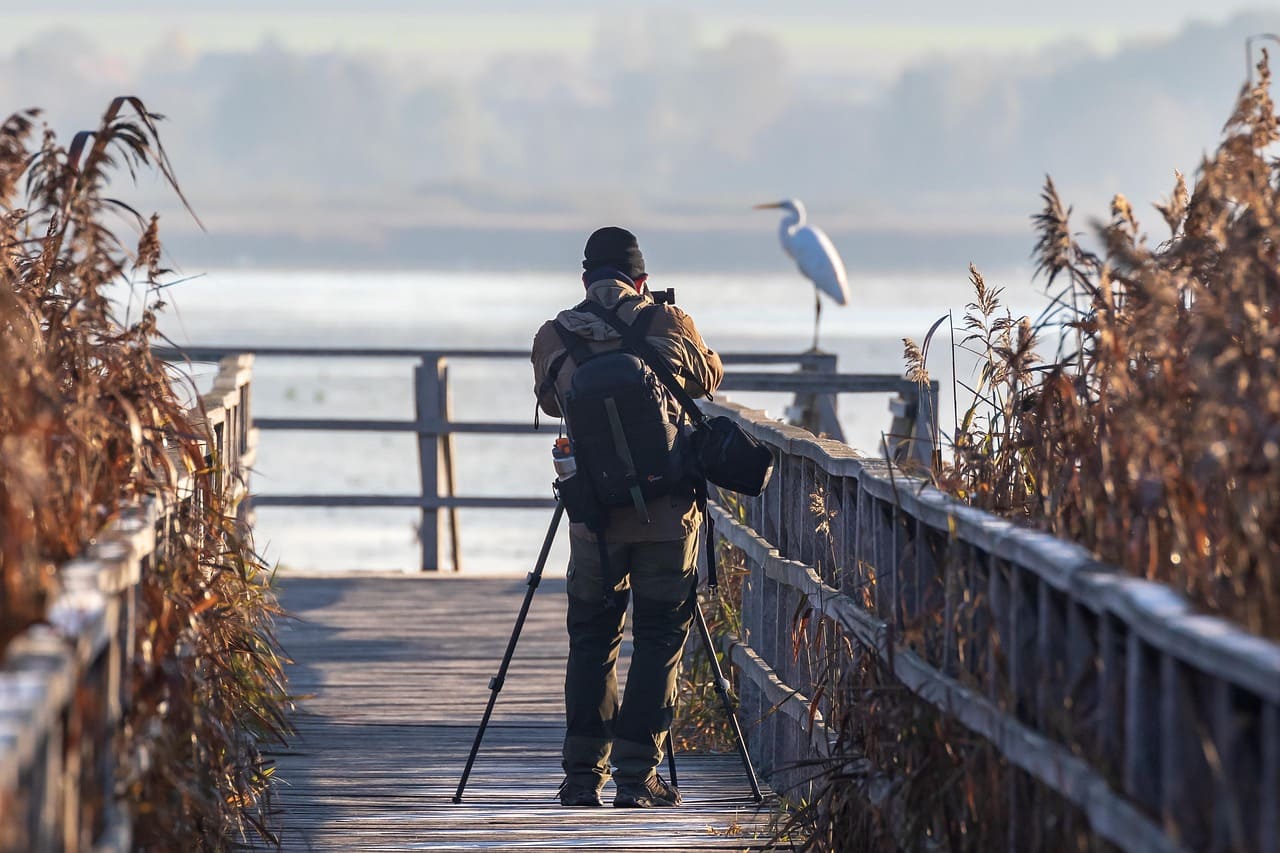
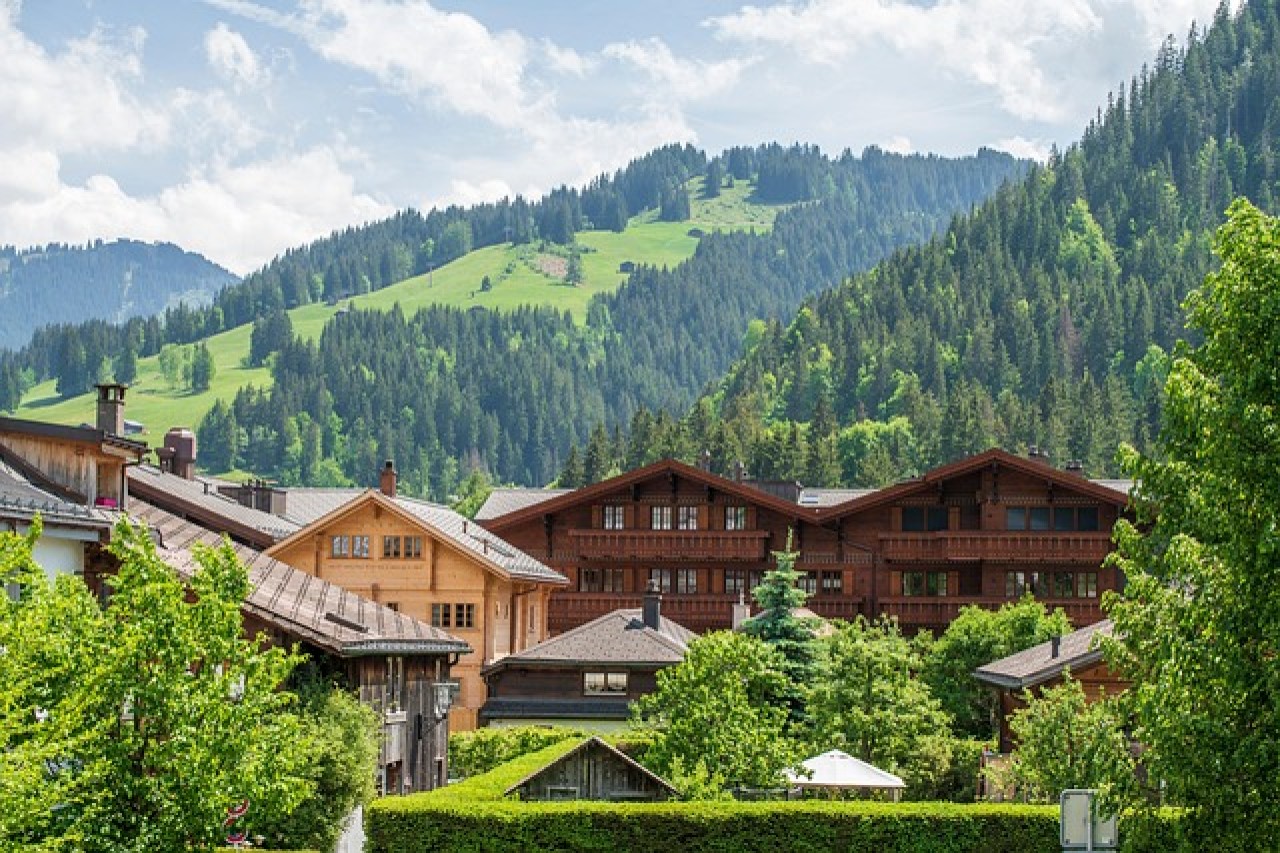
Biodiversity in Switzerland: Also a hunting problem
Biodiversity in Switzerland is scientifically proven to be in an inadequate state. This is shown by the latest overview from the Biodiversity Forum of the Swiss Academy of Sciences (SCNAT), together with over 50 experts.

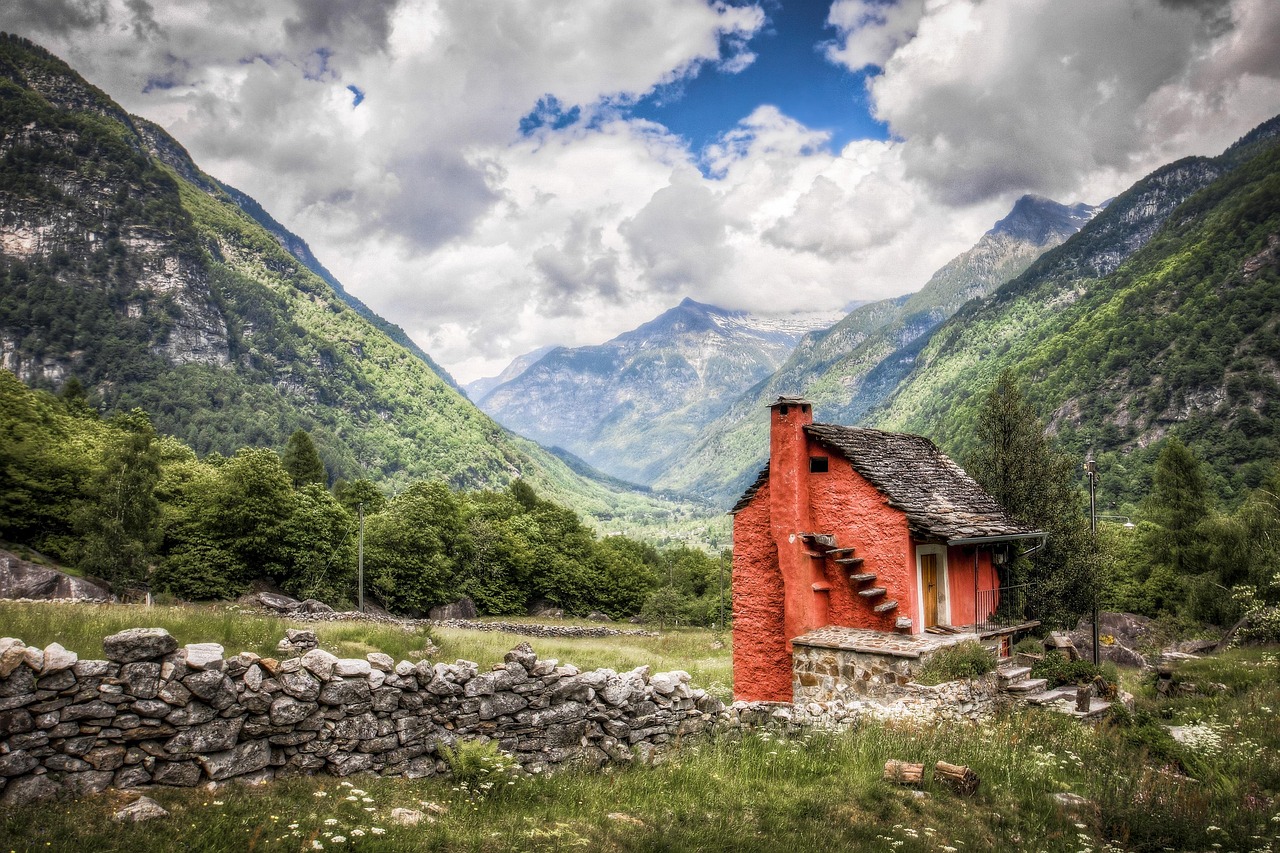
Despite some positive developments, the decline in the diversity of living species has not been reversed, and more than a third of all species remain endangered.
Given the chaos that nature finds itself in after decades of being managed and cared for by recreational hunters, this is hardly surprising. Politically, recreational hunters consistently vote against national parks, nature conservation, and the protection of endangered species. Switzerland also ranks last in Europe when it comes to designating protected areas for biodiversity. It is precisely these circles of recreational hunters, with their lobbying efforts, who have been responsible for this situation for decades through their influence on politics, media, and legislation. They are the ones who notoriously block modern, ethical improvements in animal welfare and sabotage serious animal and species conservation efforts.
After over a hundred years of so-called "sportsmanlike" management and conservation, numerous species are still extinct or endangered. These include the elk and bison, as well as numerous bird species. At the same time, the wolf has re-established itself and is now subject to intensive political regulation. Other species are already back on the waiting list of recreational hunters.
This scientific finding provides a solid foundation upon which politics, media and society must finally rely seriously.
The SCNAT overview confirms that human pressure on biodiversity in Switzerland remains high. Intensive land use, pollution, invasive alien species, and climate change continue to have a negative impact on habitats, species abundance, and ecological connectivity. Between 2014 and 2020, for example, landscape fragmentation increased by 7 percent, and light pollution has almost doubled since 1994. Although atmospheric nitrogen deposition has been reduced since 1990, the input into many habitats remains too high.
The only positive finding in the report is that the decline in biodiversity has slowed in some areas. In forested areas, the condition has improved from "poor" to "moderate," and some warmth-loving or mobile species are showing signs of recovery. In alpine zones above the tree line, the condition remains "good." At the same time, the condition in bodies of water, settlements, and agricultural areas in valley and lower mountain zones continues to be rated as "poor."
This nuanced scientific assessment is all too often diluted in public debate in favor of simplistic narratives. In hunting policy circles , recreational hunting is frequently presented as a necessary instrument for safeguarding biodiversity and restoring balance within the landscape ecosystem. Realistically, however, hunting-related tasks such as culling quotas and hunting area management recede into the background compared to the dominant causes of biodiversity loss. The SCNAT analysis makes it clear that land use, habitat destruction, fragmentation, and nutrient inputs are key drivers that extend far beyond the influence of hunting and require structural policy measures.
Particularly in agricultural and residential areas, monitoring data and field observations demonstrate the extent to which habitats are fragmented and ecologically depleted. Species such as the brown hare, butterflies, and amphibians are exposed to significant pressures, exacerbated by intensive farming, monocultures, and pesticide use. The SCNAT analysis highlights that while support measures from the federal government, cantons, municipalities, and civil society organizations do have an impact, these measures mostly remain local or regional and are insufficient to achieve a nationwide turnaround.
A particular problem is the discrepancy between perception and scientific reality. The SCNAT overview highlights that many people perceive the state of biodiversity in Switzerland as significantly better than it actually is. This misperception is less related to the local environment than to political attitudes and media narratives that tend to ignore or downplay national ecological crises.
While the hunting community often calls for increased culling, "regulation," or symbolic "management," scientific evidence shows that the most effective levers for biodiversity protection lie elsewhere. Restoring waterways, connecting habitats, reducing nitrogen and phosphorus inputs, minimizing soil sealing, and implementing biodiversity-friendly agricultural policies are measures identified by the SCNAT analysis as necessary to slow the ongoing loss and initiate a long-term reversal of this trend.
The task now is to place these scientifically sound findings at the center of the debate and not allow hunting-related pseudo-solutions to become a substitute for genuine ecological policy. Only in this way can the culturally distorted image of an intact, biodiversity-rich Switzerland be replaced by a fact-based public perception that allows for effective action against the real causes of species extinction.