American Mink Added to EU Invasive Species List
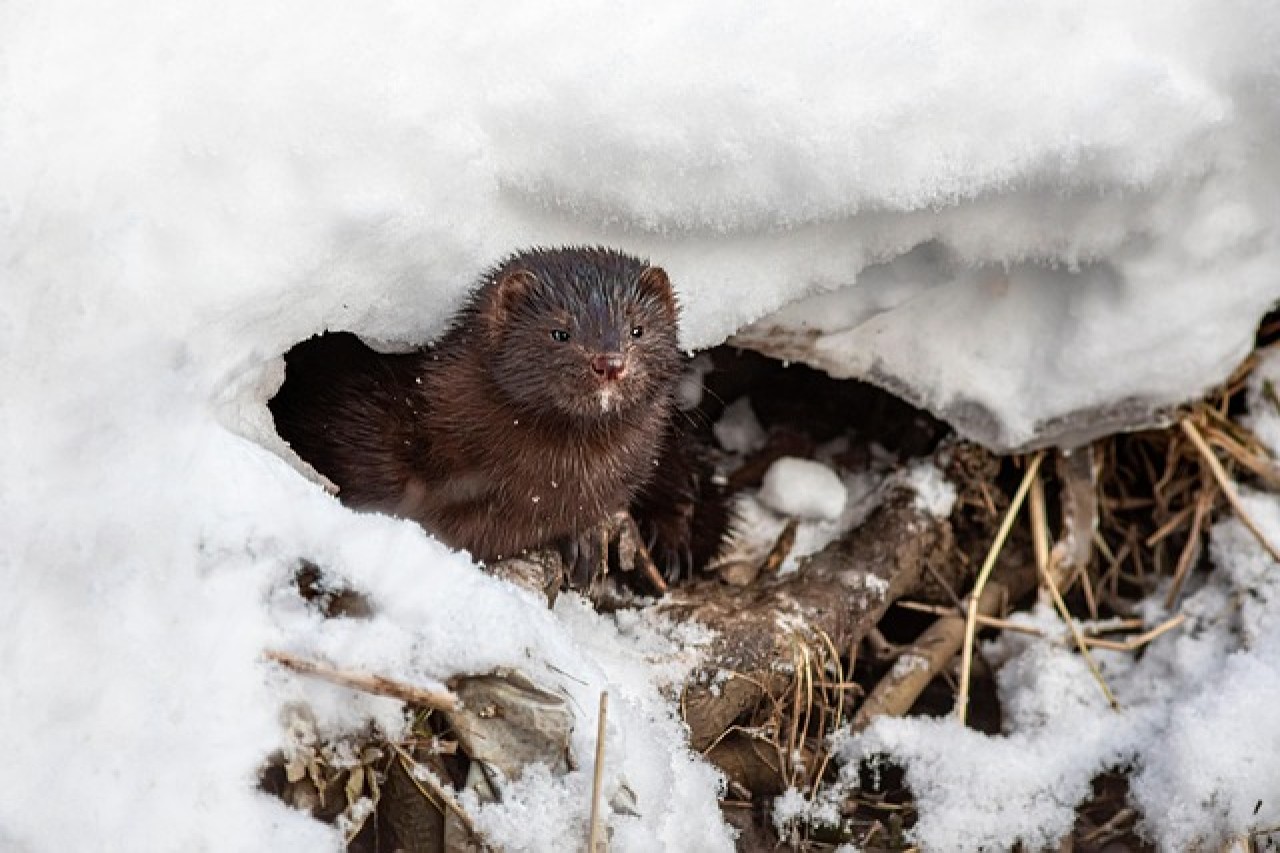
Newly added species, including the American mink, are now subject to stricter control and regulation to prevent further spread of the species in Europe.

On 21 July, the European Commission published an updated list of invasive alien species (IAS): species introduced outside their natural range that have negative impacts on native biodiversity.
The American mink is the species most commonly kept on European fur farms, a highly controversial practice whose ban European citizens have demanded across the Union.
The species will be officially added to the list as of 7 August 2027. While the inclusion of this species on the IAS list effectively prohibits fur farming, it may continue under an exemption if an “overriding public interest, including of a social or economic nature” exists.
Mink farming is not considered sufficiently socioeconomic relevant to justify such an exemption, as the decline in fur production following COVID-19 demonstrates that the industry is neither essential to national economies nor a significant employer.
The IAS Regulation should serve primarily as an instrument for effectively managing ecological risks, ensuring that all other considerations are justified and proportionate and do not undermine the primary objective of environmental protection. Animal welfare advocates therefore call on member states to phase out mink farming rather than granting exemptions that allow this practice to continue.
Additional species were included in the updated list, among them the North American beaver (effective 7 August 2027) and the sika deer.
Even if the inclusion of some species on the list may be unavoidable, prevention should remain a priority in order to stop the introduction of invasive species into the European landscape. The pet trade, for instance, is considered an important pathway for the introduction of invasive alien species.
More on the subject of recreational hunting: In our dossiers on recreational hunting gather fact-checks, analyses and background reports. What the research says about this is shown by Hunting fact-checked: the state of research.
The position of IG Wild beim Wild: IG Wild beim Wild rejects recreational hunting. Our model is the canton of Geneva, which has managed without recreational hunting since 1974: without hunting seasons, without hunting dogs, without driven hunts, without high seats, without the animal cruelty and crime that go hand in hand with hunting season elsewhere. What has worked there for over fifty years disproves every position paper by JagdSchweiz. An association that bases its policy on claims it refutes in its own documents is not a professional organisation, but a factory for misinformation.