Turtle doves die quietly, whales loudly
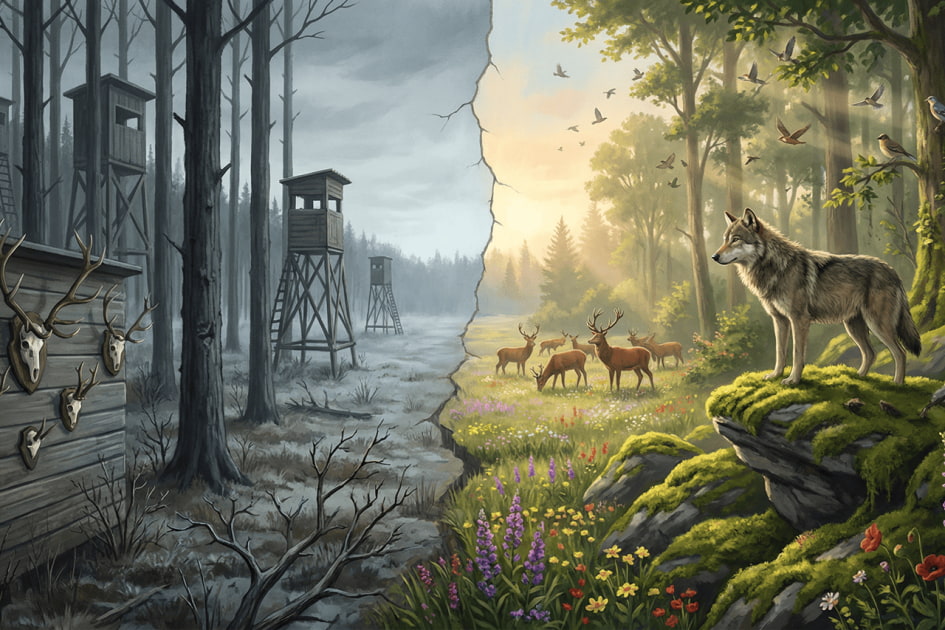
While public debate about hunting almost reflexively ignites over spectacular images, a large part of species extinction in Europe occurs almost invisibly. Hardly any species stands more exemplary for this than the European turtle dove. Its disappearance happens quietly, statistically, over years and precisely for this reason is politically convenient.


Simultaneously, the Faroe Islands cause international outrage with the ritualized killing of whales.
Blood-red bays, viral images, diplomatic admonitions. Two completely different pictures, one common core: hunting traditions are placed above scientific findings and ethical boundaries.
The turtle dove: From symbol of peace to shooting quota
The European turtle dove is considered one of Europe's most endangered bird species. In many regions, populations have collapsed by over 70 percent since the 1980s. Main causes are habitat loss, industrial agriculture and continued hunting pressure along migration routes.
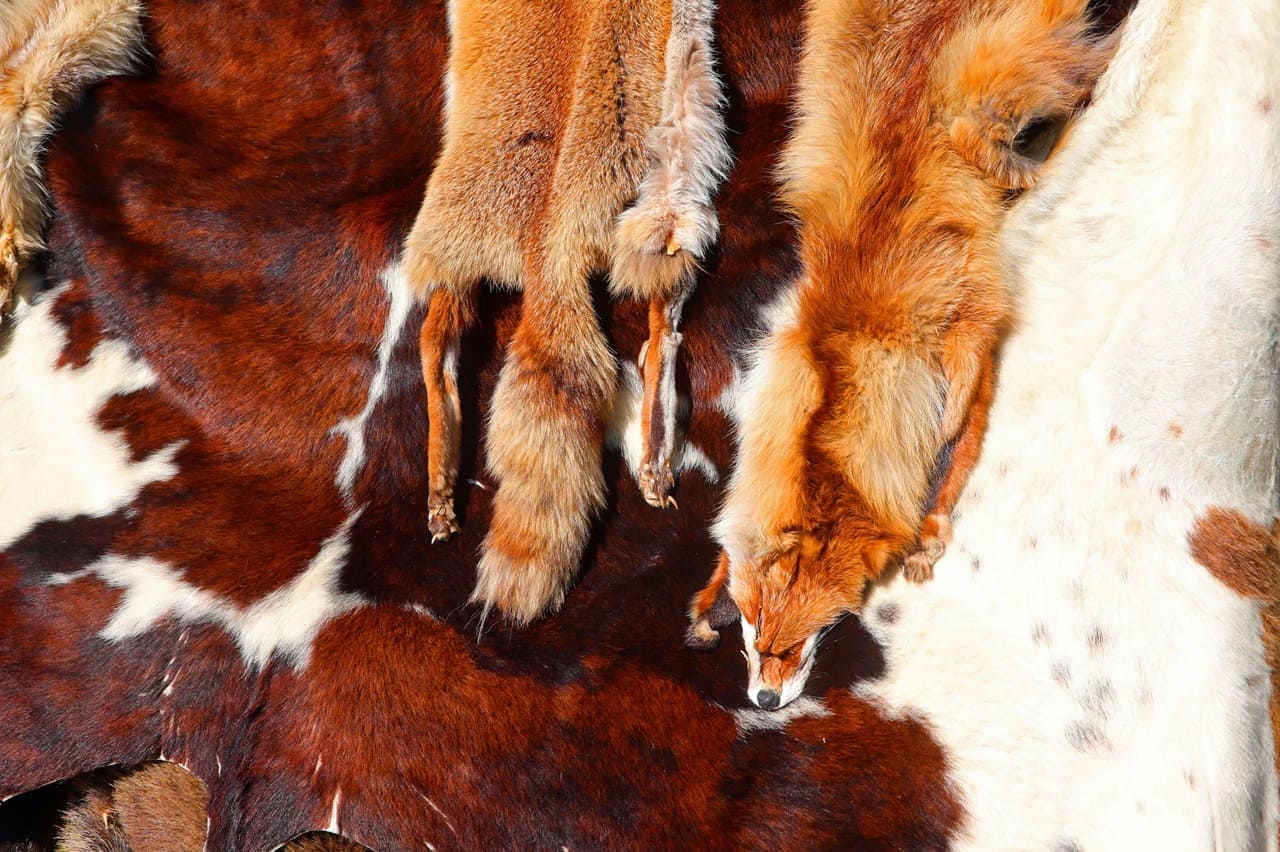
Despite this factual situation, the recreational hunting in several EU states continues to be permitted or only half-heartedly restricted. Moratoriums are time-limited, exceptions are generously formulated, controls remain patchy. The logic behind this is well-known: As long as a species has not completely disappeared, it is considered exploitable.
This thinking fits seamlessly into that system which is regularly critically analyzed on wildbeimwild.com, such as in the Dossier on the structural irresponsibility of state hunting administrations. The turtle dove is not an isolated case, but a case study.
Faroe Islands: When tradition becomes a political excuse
On the Faroe Islands, the collective killing of pilot whales and dolphins is defended as cultural heritage. The so-called Grindadráp is officially presented not as recreational hunting, but as communal food procurement. However, this representation hardly withstands sober analysis.
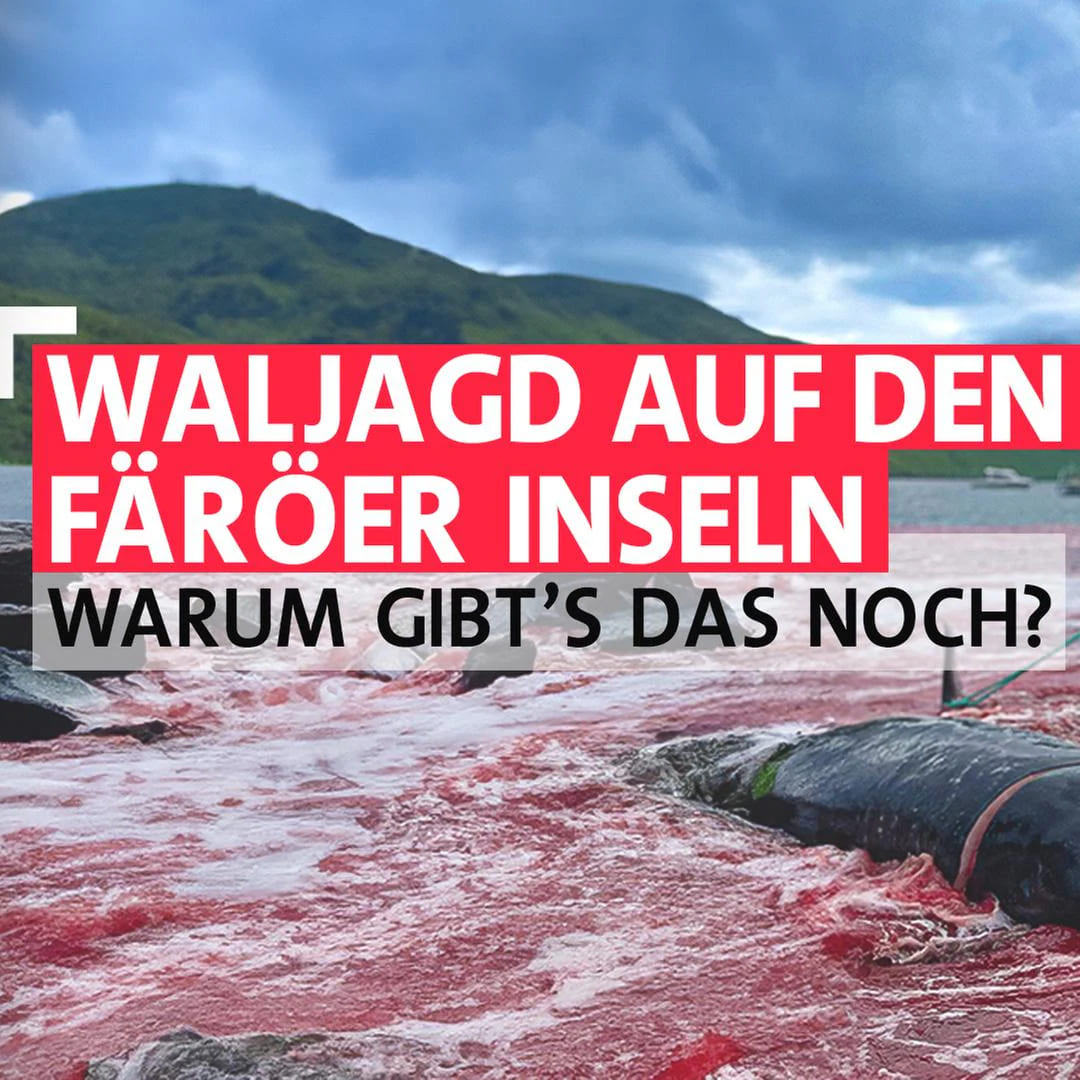
The killed animals are not hunted out of ecological necessity, but from ritualized habit. International studies also point to high pollutant loads in the meat, further relativizing the supposed nutritional benefit.
Here another variant of the same problem becomes apparent: Where recreational hunting is culturally charged, criticism is reinterpreted as an attack on identity. This exact mechanism is well known from recreational hunting in Central Europe and is also described in detail in the "Psychology of Recreational Hunting" on wildbeimwild.com.
Two extremes, one system failure
The turtle dove disappears because nobody looks. The whales of the Faroes die because too many look and still little happens. Both reveal a structural failure of European environmental policy.
Species protection is operated selectively. Quiet victims count less than loud ones. Recreational hunting is not consistently aligned with ecological stress limits, but with traditions, lobby interests and political convenience.
As long as recreational hunting is treated as a cultural fundamental right and not as a potentially harmful intervention in complex ecosystems, these patterns will repeat themselves. Whether on remote islands in the North Atlantic or on the fields of Southern Europe.
What is needed now
Effective protection of the turtle dove requires a permanent, Europe-wide hunting ban along all migration routes, coupled with measurable recovery targets. For the Faroe Islands, international pressure is needed, clear political consequences and departure from the false dichotomy between tradition and modernity.
Wildlife protection is not a question of folklore, but of responsibility. Those who ignore this consciously decide against scientific evidence and against life.
Support our work
With your donation you help protect animals and give their voice a hearing.
Donate now →