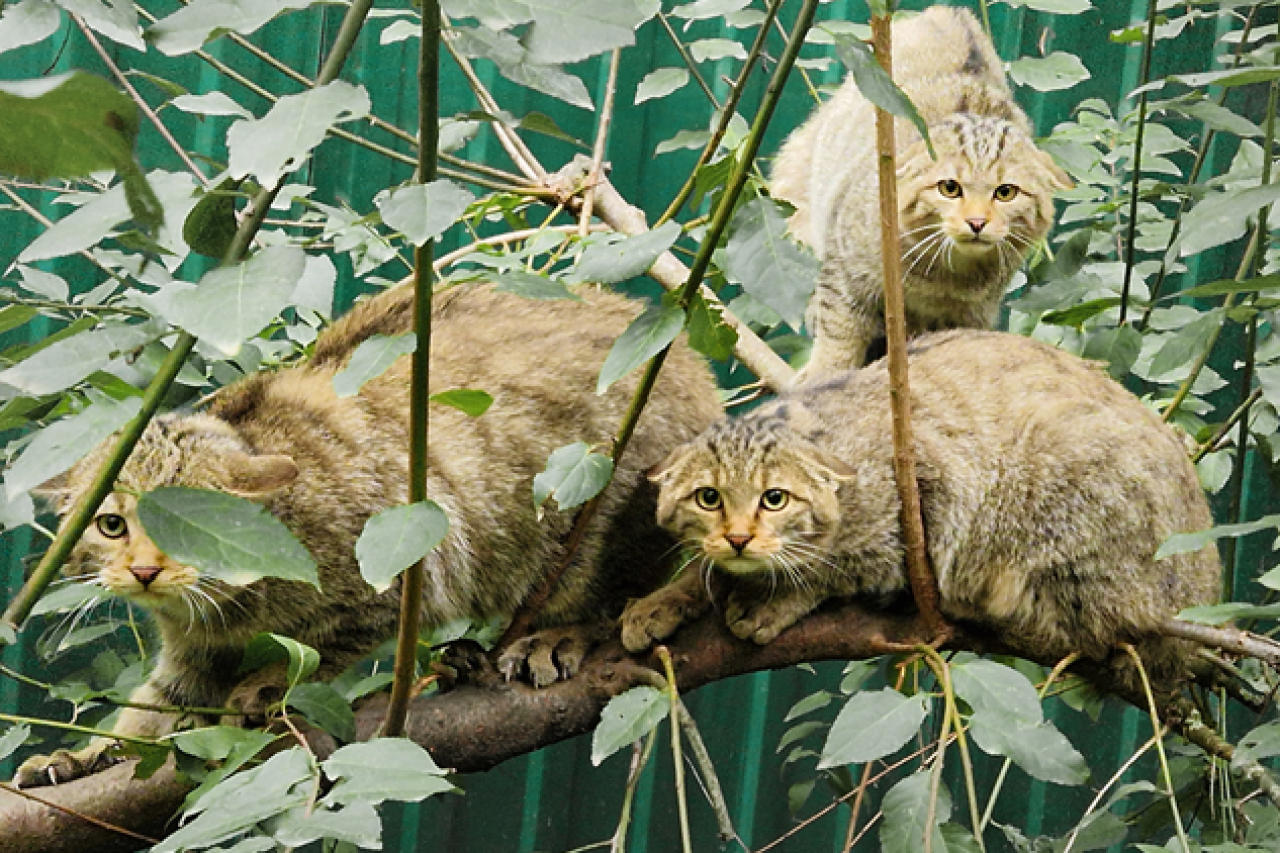
Paradox: Invasive Species Threatened with Extinction in Their Native Habitat
A study now shows that some of these species introduced by humans are themselves threatened with extinction in their native range.


Non-native species introduced by humans are among the main causes of global species extinction – they were partly responsible for 60 percent of the species that have gone extinct worldwide in recent decades.
In Central Europe, non-native mammals include species such as the brown rat, the mouflon and the mink. A study led by biologists at the University of Vienna and the University of La Sapienza in Rome now shows that some of these species introduced by humans are themselves threatened in their original range. The study was published in the current issue of the journal Conservation Letters.
The globalisation of the Earth contributes to many animal and plant species being introduced to new parts of the world. Invasive species can displace native species through competition or transmit new diseases. At the same time, however, some of these non-native species are threatened with extinction in their native ranges. This creates a paradox for nature conservation, as it raises the question of whether non-native species that are threatened with extinction in their native range should be protected or controlled. Until now, however, it was not known how many non-native mammal species this paradox actually applies to. In the new study, the scientists have now quantified this in order to come one step closer to an answer to this paradox.
Many non-native mammal species are endangered in their native range
A total of 230 non-native mammal species have been introduced by humans to new regions around the world and have permanently established themselves there. "We wanted to find out how many of these species are also threatened in their original range," explains Lisa Tedeschi of the University of La Sapienza and the University of Vienna, lead author of the study. The scientists were able to show that 36 of the non-native mammal species are threatened in their original range and thus fall under this conservation paradox. "We were very surprised by this high number, as we assumed that invasive species would also be widespread in their area of origin," Tedeschi added.
Invasion of foreign territories could even save some species from extinction
One important mammal species threatened in its native range is the crested macaque, whose population in its natural range on Sulawesi has declined by 85 percent since 1978, while it has spread to other islands of Indonesia where stable populations can be found. The wild rabbit is threatened with extinction in Europe, while in other parts of the world, such as Australia, there are very large introduced populations far greater in size than those in Europe. Most of the species threatened in their homeland originate from tropical Asia, which in many cases is attributable to the massive destruction of rainforests and overhunting. Populations introduced by humans could therefore help prevent the extinction of these species.
Globalization: Conservation faces a difficult challenge
When assessing the global extinction risk, species that do not live within their original range are currently not taken into account. In the current study, however, the researchers were able to show that the threat situation for some species would improve if non-native occurrences were considered. “For 22 percent of the species studied, the global extinction risk would be reduced if non-native occurrences were also included in the assessment,” explains biodiversity researcher Franz Essl from the University of Vienna, one of the study's lead authors. According to the scientists, this result underscores the great importance of non-native populations for the survival of endangered species — especially when there is high pressure from threats in their native range.
However, incorporating non-native populations of these species into the threat assessment also carries risks — for example, that less attention may be paid to protecting threatened populations in their native range. In addition, non-native populations can have negative impacts on other species. “The main focus must continue to be on protecting species within their natural range. It is likely, however, that in the future there will be more species that are threatened with extinction in their original range but have better chances of survival in their new range. This presents conservation with the difficult task of weighing up the opportunities and risks,” concludes Franz Essl. “This is also a fingerprint of the globalisation of species distribution.”