Sweden: Decline of the Moose Population
In hunting circles, there are social strata that have always existed, namely the militant stratum that takes pleasure in killing — people who, in a war, would not shoot wildlife but humans.


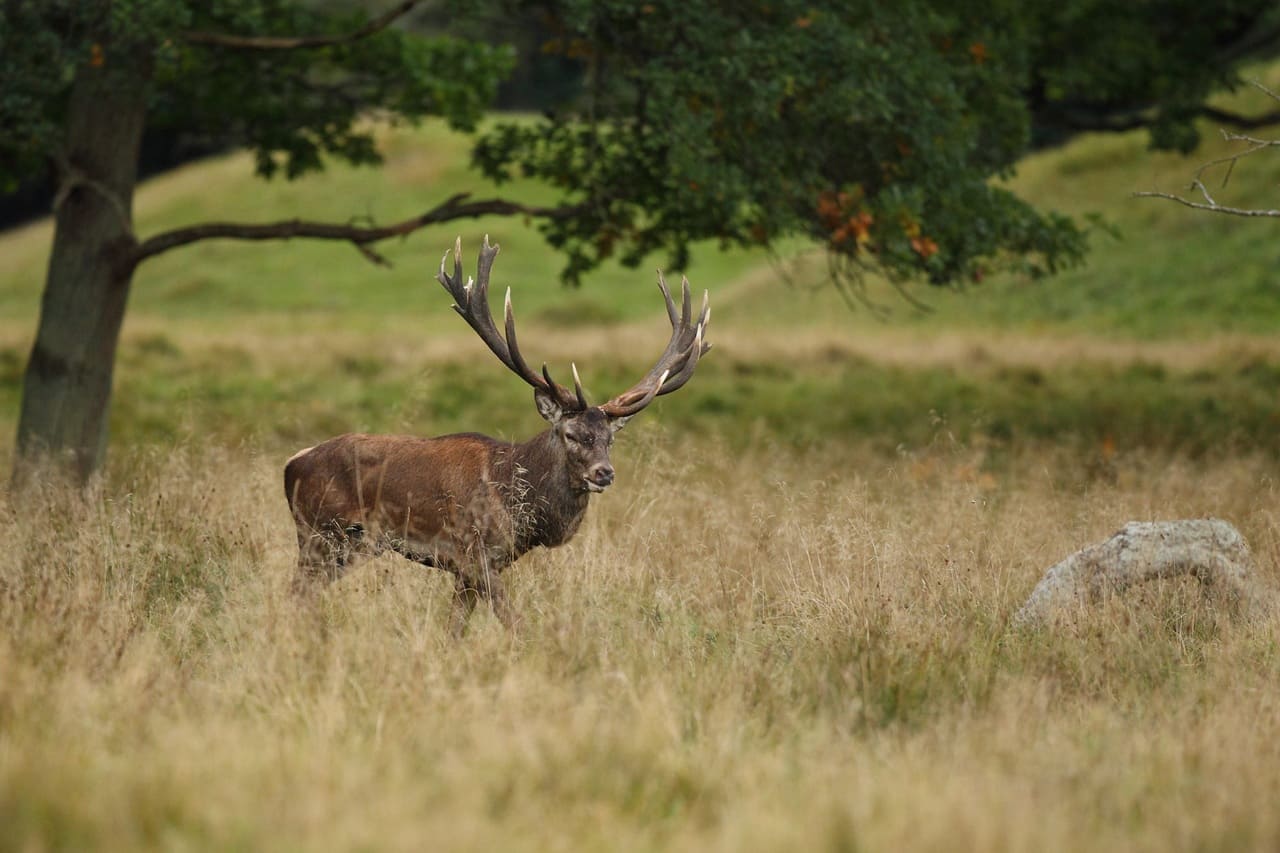
In Scandinavia, most moose die during the hunting season.
Moose hunting attracts 250’000 hobby hunters into the forests of Sweden every year. Researchers in Norway and Sweden have investigated whether moose have adapted their behaviour to avoid these dangers. They found that moose do change their behaviour during the actual hunting season.
The researchers used GPS data from tagged moose and wolves in combination with data from locations where hobby hunters and wolves had killed moose. The study area extends along the Swedish-Norwegian border.
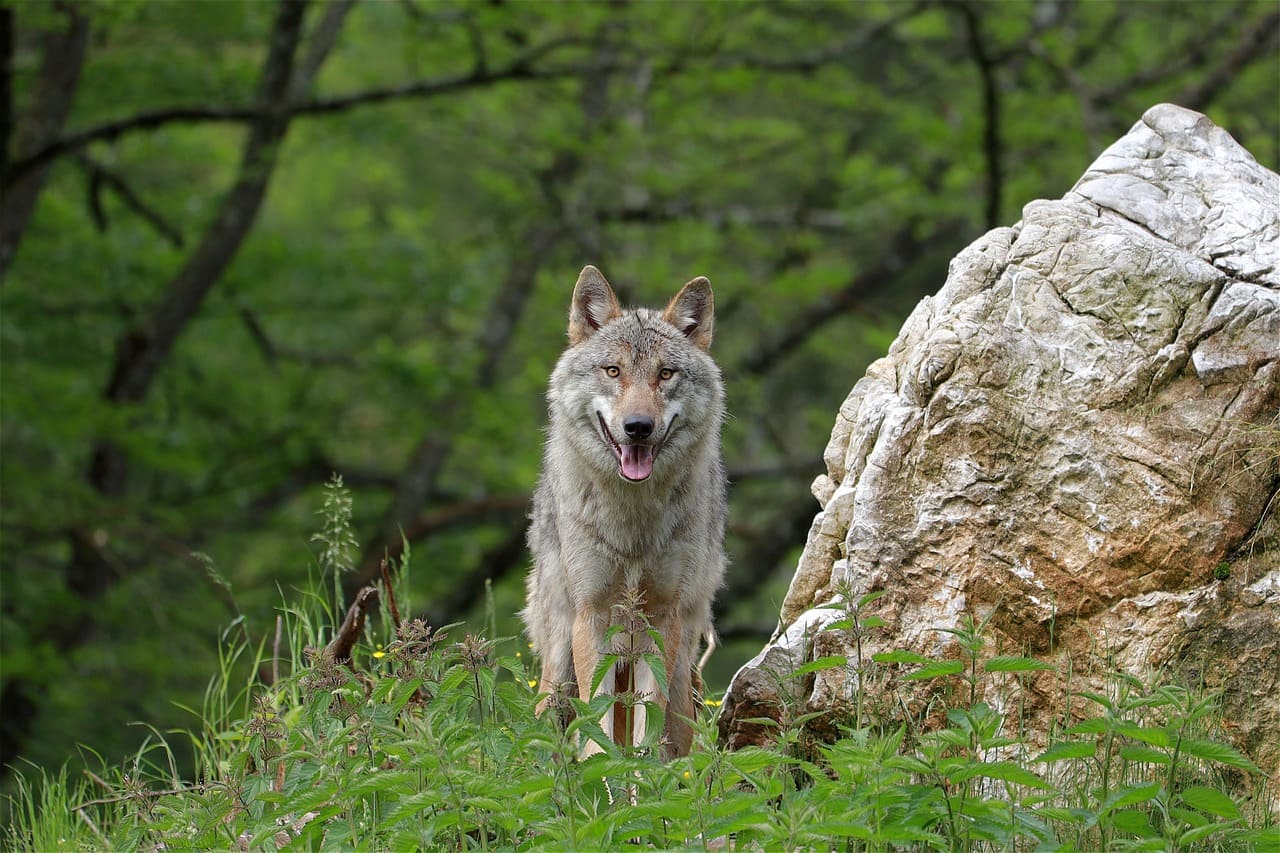
Previous research has shown that prey animals adapt their behaviour to evade predators — for example through heightened vigilance, changes in group size, habitat selection, alterations in movement and activity patterns, or seasonal migrations across large areas. It is therefore interesting to examine the behaviour of moose in Sweden, where wolves have now re-established themselves in the landscape.
The study shows that during the hunting season, moose avoid habitats with a high hunting risk during the day, but not at night or after the hunting season. However, moose did not avoid habitats with a high wolf risk regardless of the time of day or season. Hunting thus appears to represent the greatest and most predictable risk of death for moose.
The lack of response among moose to the threat of wolf predation is likely due to the fact that hunting in Scandinavia has been the greatest mortality factor for moose over the past 150 years. Even today, hunting remains the most common cause of death in most wolf territories.
Sweden still has the densest moose population in the world, but the figures for animals shot annually show a clear trend. While 175’000 moose were shot in 1980, only 63’000 were shot last year. The reason is simple: there are no longer as many to shoot.
Climate change is a new threat
The moose population in Sweden has declined by one third over the past ten years, causing concern. The decline is attributed to hunting and the effects of climate change. A warmer and drier climate results in fewer and lighter moose being born. In North America, the moose has already disappeared from the southern part of its range, but has instead expanded northward. We are now seeing the beginning of corresponding trends in Sweden.
Hot, dry summers affect moose negatively in several ways. Once summer temperatures exceed 15 degrees, moose must expend energy to regulate their body temperature. At the same time, moose must seek shade during the day, which restricts their opportunities to forage. Finally, food has lower nutritional value during hot, dry summers, further limiting moose numbers.
- Moose reproduction appears to have declined by 20 to 25 percent over 20 years.
- At the same time, calf weights have declined. Researchers at SLU recorded a particularly sharp decline in 2018, following the extremely hot and dry summer.
- Although several factors could be contributing to the deterioration in reproduction, all indications are that climate change is a significant factor, says Fredrik Widemo.
Although the moose population is not yet threatened with extinction, there is a possibility that it may disappear from some regions of Sweden. While hobby hunters and researchers are concerned about this, it is welcomed by the forestry industry, which has no desire to see an increase in the moose population.
HOBBY HUNTER RADAR
Tracking hidden animal welfare offenses, poaching and/or criminal activity? Report suspicious cases to us! Help with the great hobby hunter radar.