Contamination of Important Biotopes by Pesticides
In Switzerland, there are over 6,000 bogs, floodplains, amphibian spawning grounds and dry meadows that are protected as biotopes of national importance. They are vital for endangered species and biodiversity. Unfortunately, however, they are contaminated by pesticides found in many bodies of water.

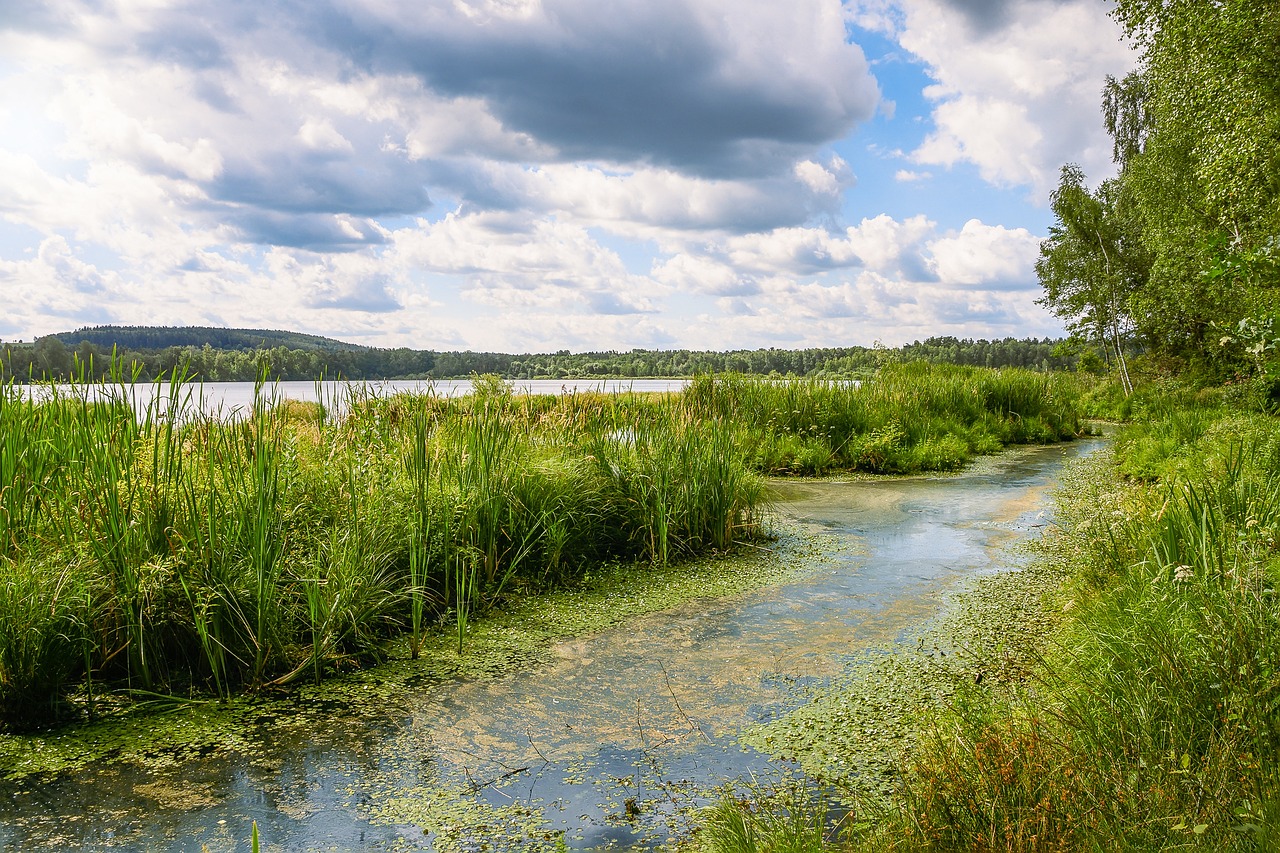
The number of insects is declining.
So too is the number of breeding birds that feed their young on insects. And of the frogs, toads and newt species native to Switzerland, 70% are now on the Red List of endangered species. Protected areas have been established to save them — the most important of these are protected areas of national importance.
Surveys of amphibian spawning grounds and fens show that these important biotopes are contaminated with many pesticides.
Certain insecticides in particular significantly exceed the statutory limit values and quality criteria.
A National Action Plan for the reduction of risks and the sustainable use of pesticides has now been adopted by the Federal Council in order to protect such biotopes. In order to assess the risk and plan measures, data on environmental contamination are needed. A pilot study examined nine amphibian spawning grounds and three fens. Samples were taken monthly and analysed for a total of 96 pesticides.
The investigation found that pesticides were detected in all bodies of water. The limit values of the Water Protection Ordinance were exceeded by up to 25 times in half of the biotopes. The insecticide cypermethrin was found particularly frequently. This is used, among other things, in potato, beet, rapeseed, vegetable and fruit cultivation. Surprisingly, the insecticide chlorpyrifos was also found, even though the active ingredient has been banned since 2020. Other pesticides were also found that exceeded the quality criteria.
It is alarming that pesticides are penetrating even into protected biotopes. There are various pathways of entry, such as water, surface runoff, drainage systems or airborne particles. The study showed that pesticides spread not only through water but also through the air.
It is important to adequately protect endangered ecosystems. Further information on this study can be found on the project website.