Rutabaga: From Lifesaver to Niche Vegetable
The rutabaga is a cross between kohlrabi and turnip and is also known in this country by the name swede. The vegetable is a niche product in Switzerland today, but was once vital in times of hardship.

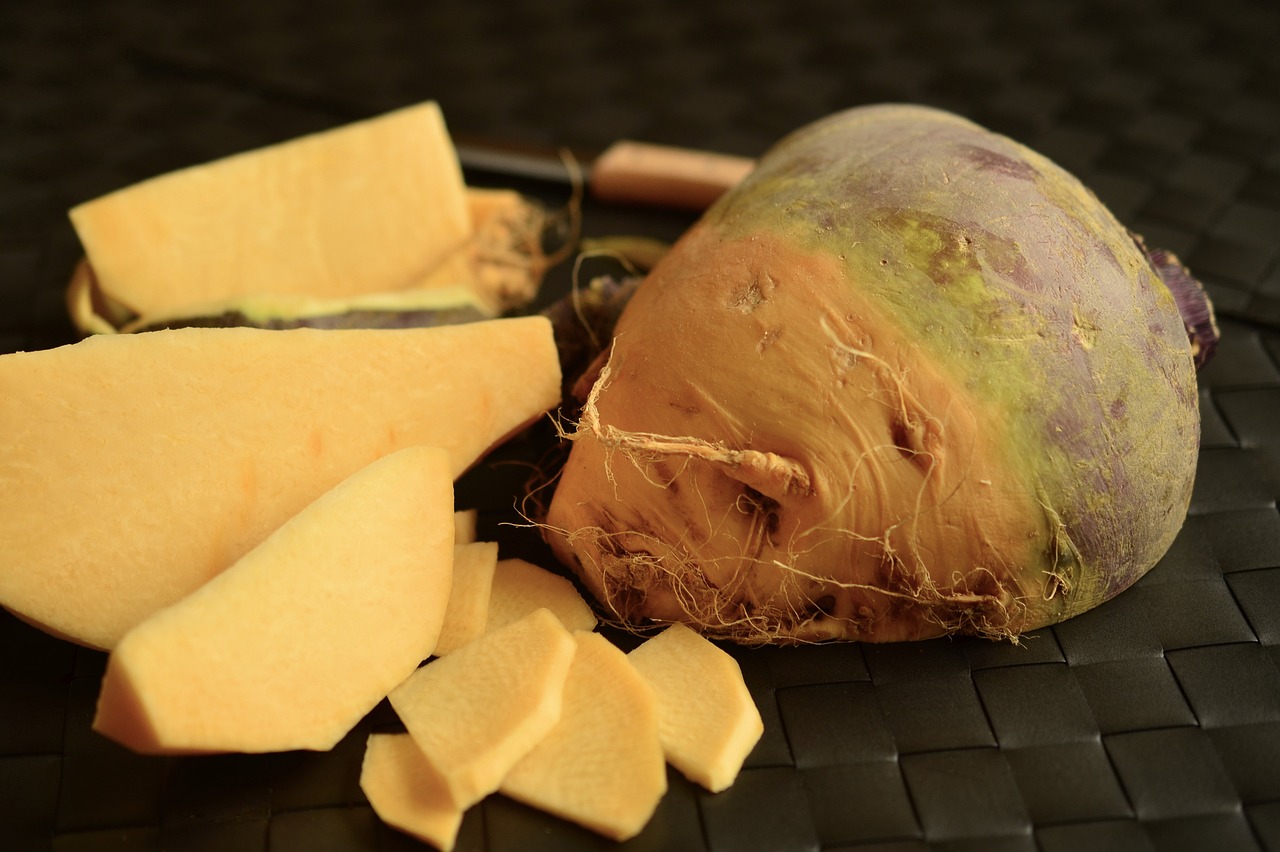
Due to its limited recognition, rutabaga is not available everywhere — consumers are most likely to find it at the weekly market.
In the past, rutabaga was far more widespread and was often the last food reserve during times of crisis and war: rutabaga was of greatest importance particularly during World War I, when it served as a substitute for potatoes.
From Animal Feed to Human Saviour
The so-called Turnip Winter of 1916, when famine struck Germany, has gone down in history. Rutabagas, or swedes as they were known, were at that time among the few foodstuffs still available.
Previously used mainly as animal feed, the rutabaga became a vital foodstuff for the population during this period. The reputation as a “war vegetable” clung to the rutabaga for some time, and only gradually did it regain appreciation in the kitchen in a different form.
A Delicate Root Vegetable
The rutabaga originates from the Mediterranean region and was probably the result of an accidental cross between kohlrabi and turnip. Rutabaga is tough and can withstand temperatures of down to minus 10 degrees Celsius. It is also an undemanding vegetable and thrives in virtually all soil types. It also stores well — in Switzerland, rutabaga is in season from July to April.
Ground kohlrabi packs a punch: it contains plenty of glucose, protein, fat, calcium, provitamin A and other vitamins. The tuber can be eaten raw or cooked. Raw, ground kohlrabi has a tart, earthy flavour and can be served, for example, as a salad. When cooked, the yellow-fleshed root takes on an aromatically sweet taste and works well, for example, in a soup or stew.
| You can help all animals and our planet with compassion. Choose empathy on your plate and in your glass. Go vegan. |