Italy on the verge of a national emergency over wild boar
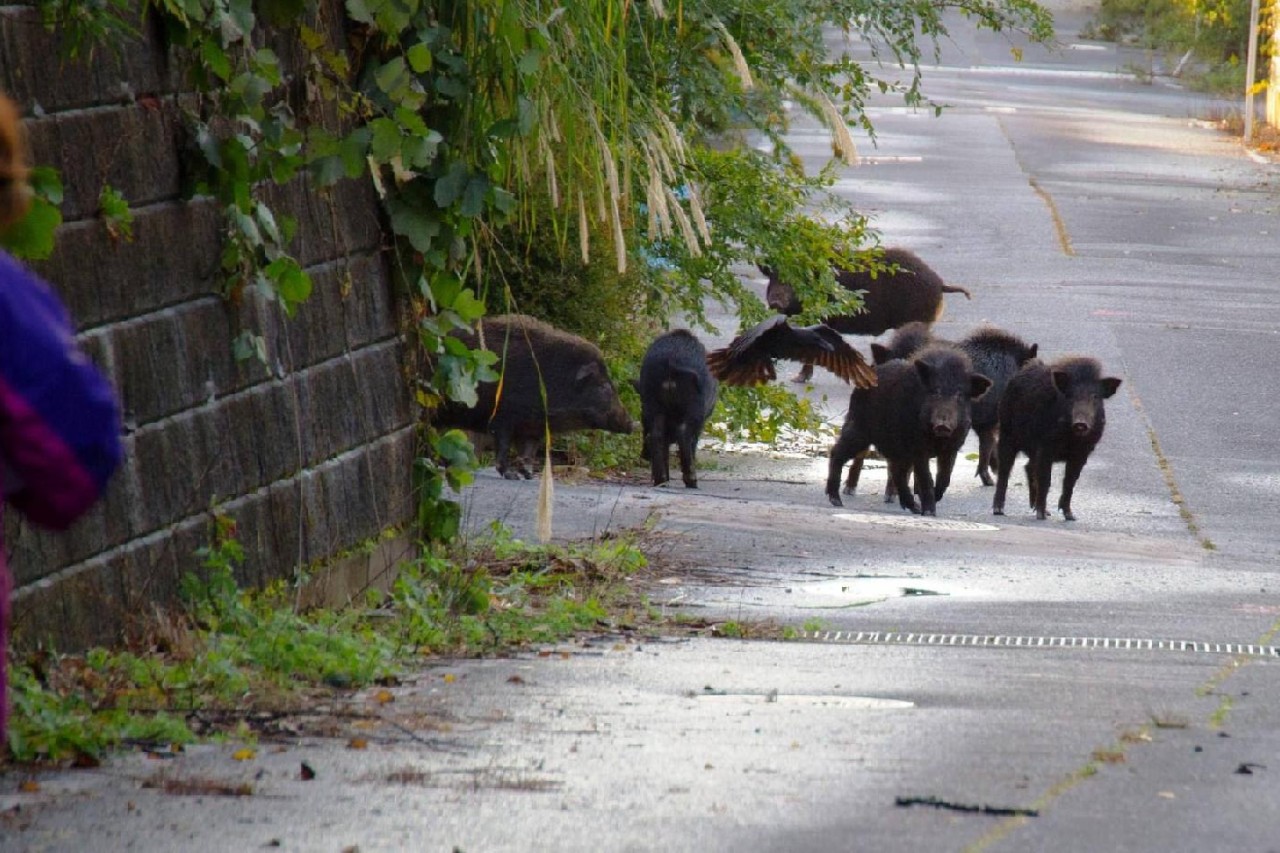
Italy's farmers — and not only they — are suffering increasingly under the rampant wild boar plague. While the country counted an estimated 500,000 wild boar in 2010, the number today is thought to be around 2.3 million. Italy's wild boar cause an accident every 48 hours.

Scientific data show that the growth of the population and the increase in agricultural damage and road accidents are a direct consequence of misguided hunting practices.
In the past year alone, the number of wild boar increased by 15%. One accident every 48 hours, with 16 fatalities and 215 injuries, is the tragic toll for the year 2020.The agricultural association Coldiretti is decrying an invasion of wild boar that stop at nothing — tearing down fences, crossing rivers, and traversing roads and motorways, thereby endangering human life and safety.
Over the past ten years, the number of serious accidents involving fatalities and injuries caused by wildlife on Italy's roads has virtually doubled (+81%), according to Coldiretti's estimates. This, they say, is a genuine national emergency, threatening the safety and health of motorists on nearly 850’000 kilometres of Italian roads and motorways. Wild boar can weigh up to 150 kg, stand 1.2 metres tall, measure 2 metres in length, and cover up to 40 kilometres in a single stretch. Along the 6’757 kilometres of motorway, adequate fencing to prevent large wildlife from crossing is particularly lacking, as the existing fences were built in the 1960s and 70s, when large wild animals were very rare and the fences served the sole purpose of preventing livestock from crossing.
Hobby hunters, however, are the ones who created the wild boar overpopulation problem in the first place, by introducing the Hungarian wild boar species into Italy in the nineties to serve their hunting interests — a species that is much larger and more prolific than the Italian subspecies. During their wild boar hunts, hobby hunters shoot the matriarchal females, causing the sounders to break apart and triggering a “liberating” reaction in the other, lower-ranking females, who immediately go into heat, reproduce multiple times in the same year, and in turn form new sounders.
Coldiretti puts the damage caused by wild boars to agriculture alone at well over 200 million euros (238 million francs).
The COVID-related lockdowns also caused wild boars to venture not only into fields but increasingly into inhabited areas. Wild boars have reportedly been spotted even in the middle of Rome, near rubbish bins. This makes them a social hazard as well. For environmental and consumer protection organisations, the problem is “proof that the city is in a state of complete neglect”: because rubbish is collected only irregularly and sometimes not at all, Rome has come to exert a magnetic attraction on wild boars. The scattered rubbish attracts not only wild boars but also rats, seagulls, and other wildlife. Romans still have fresh memories of last summer’s rat plague; the Eternal City has become an “open-air zoo”.
Never before has the alarm been so intense over the invasion of wild boars in Italy, which have been roaming freely through rural and urban areas under the cover of the COVID emergency, moving ever closer to homes and schools and even parks and lakes, in the midst of bathers. This is not the first time agricultural organisations have called for containment measures, but it is the first time Coldiretti has decided to take the demand to the streets with protests and mobilisations in every Italian region. From Milan to Naples, from Turin to Bologna, from Palermo to Cagliari, from Bari to Bologna, and in every regional capital.
«The majority of Italians regard the excessive presence of wildlife as a genuine national emergency that affects people's safety as well as the economy and livelihoods, particularly in the most disadvantaged areas«, said Coldiretti president Ettore Prandini, emphasizing the need for «targeted and large-scale interventions region by region, in order to reduce the threat posed by wildlife at a national level«.
On 8 July 2021, farmers across Italy demonstrated in favour of stricter wild boar management, in the context of the spreading Covid-19 Delta variant.
Firearms licence for farmers
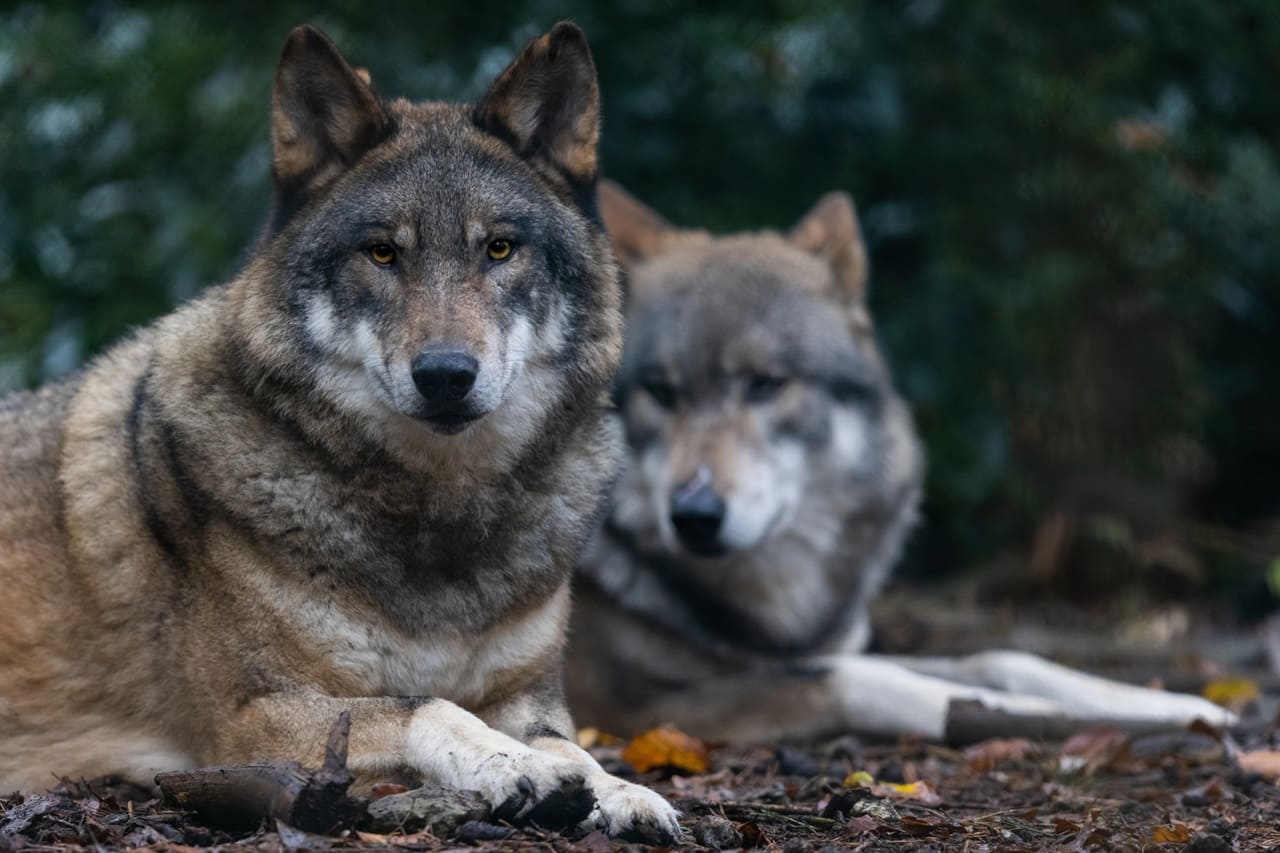
From the farmers' perspective, wolves represent a further problem; rough estimates put their population in Italy at between 1,500 and 2,000 animals. Complaints have been raised that wolves also ventured to the outskirts of residential areas during the lockdowns. With regard to wild boars, Ettore Prandini called for licensed farmers to be permitted, upon approval of a corresponding application, to take direct action against the animals.
In addition, farmers should be allowed to commission hobby hunters to kill wild boars. Prandini also stressed that it was particularly important to permit wild boar hunting throughout the entire year, “until the situation is back under control”. Beyond the safety of farmers and the protection of their fields, he argued, the issue also concerns the general public as well as livestock in pastures and stables. Prandini finally raised the concern that wildlife could also act as carriers of disease.
1 in 4 Italians has encountered a wild boar
More than one in four adult Italians (26%) has already encountered a wild boar. Citizens perceive the invasion of wild animals onto roads and public squares as a genuine emergency — so much so that more than eight in ten Italians (81%) believe it should be addressed through culling, in particular by hiring specialised personnel to reduce their numbers, according to a Coldiretti survey.
An alarm shared by the European Food Safety Authority (EFSA), which has called on EU member states to take extraordinary measures to prevent wild boars from accessing food and to reduce the number of animals in order to limit the risk of spreading diseases such as African Swine Fever (ASF). This is also a genuine alarm signal in Italy, where wild boars are increasingly rampaging through urban waste. According to the Coldiretti survey, wildlife is a problem for the vast majority of citizens (90%).
The problem is above all the excessive presence of wild boars, which 69% of Italians consider to be too numerous, while 58% view them as a genuine threat to the population as well as a serious problem for crops and the environment, according to 75% of respondents who have formed an opinion.
The result is that more than six in ten Italians (62%) are afraid of wild boars, and almost half (48%) would not take up residence in an area affected by wild boars. When asked who should solve the problem, one in two Italians (53%) believes it is up to the regions, while for 25% it is up to the government and for 22% it is up to the municipalities.
The concerns of citizens — according to Coldiretti — are being taken up by many regional and municipal administrations, as well as by parliament. The Senate's Agriculture Committee has passed a resolution obliging the government to act against the damage caused to agriculture by the excessive presence of wildlife, which has repercussions on many levels, starting with the economic and productive level, with a progressive depopulation of rural areas.
Overall, all efforts — including illegal hunting platforms, night-vision devices, hunting in the dark, and so on — on the part of hobby hunters have yielded no results in recent years. Wild boars are continuing to multiply uncontrollably and explosively, not only in Italy, precisely because of misguided hunting practices.
Unterstütze unsere Arbeit
Mit deiner Spende hilfst du, Tiere zu schützen und ihrer Stimme Gehör zu verschaffen.
Jetzt spenden →