Import ban on torture fur: Federal Council makes proposal
With its indirect counter-proposal to the Fur Initiative, the Federal Council aims to ban the import and trade of torture fur and to enable the confiscation of illegally imported fur.

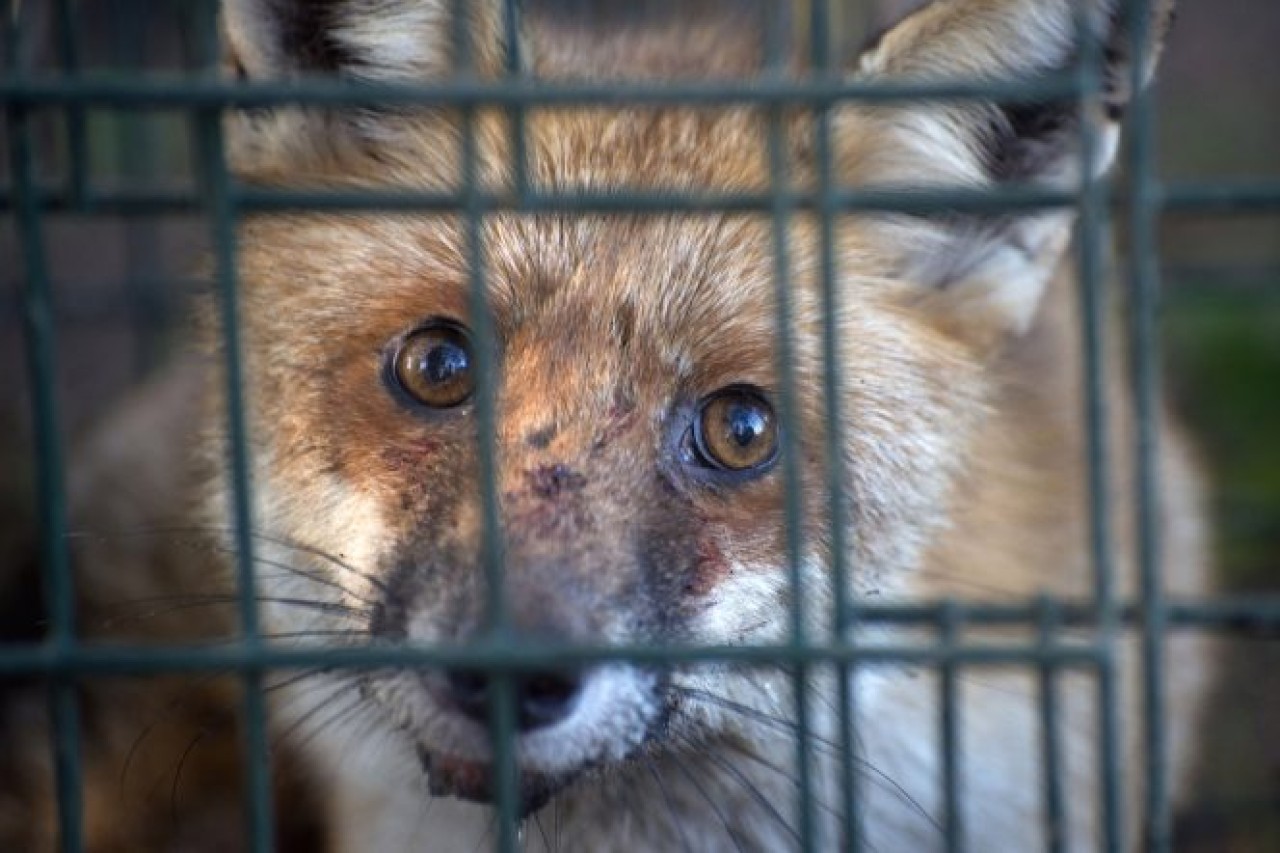
The Swiss Animal Protection STS, the Foundation for the Animal in Law (TIR), FOUR PAWS – Foundation for Animal Welfare, the Zurich Animal Protection Society, the Alliance Animale Suisse (AAS) and the initiative committee of the Fur Initiative welcome this intention, but point out critical gaps in the Federal Council’s proposal in their joint statement.
The Fur Initiative was submitted at the end of 2023 and calls for an import ban on fur products obtained through animal cruelty. In August 2024, the Federal Council sent an indirect counter-proposal on this matter for public consultation. The draft takes up the concerns of the initiators and in some respects even goes beyond them. The background to the counter-proposal is that the existing declaration requirement has been widely disregarded by retailers for years.
Important amendments to the Animal Welfare Act
The proposal encompasses not only a ban on the import of fur produced under conditions of animal cruelty (torture fur), but also a ban on trading such products within Switzerland. In addition, fur that has been illegally imported or traded is to be made subject to confiscation and forfeiture thanks to a legal basis in the Animal Welfare Act in future.
In their joint statement, the five animal welfare organisations and the initiative committee explicitly welcome these amendments. However, they point out that the Federal Council’s draft also contains several critical points of major consequence.
Points of criticism and demands
On the one hand, critics argue that the Federal Council's draft orients itself around the guidelines of the World Organisation of Animal Health (WOAH) in order to define "cruel" production methods. The regulation should instead be based on the definition already contained in the Swiss Animal Welfare Act. Two different definitions within the same law are unnecessary and confusing. The Federal Council justifies its proposal by arguing that this approach would make the ban more compatible with Switzerland's international trade obligations. However, two legal opinions commissioned by TIR demonstrate that the import ban would be compatible with Switzerland's trade obligations even without reference to the WOAH guidelines.
On the other hand, animal welfare advocates are calling for the ban to be extended to all cruel methods of obtaining fur. This includes killing traps that do not guarantee a swift death for the animals and are therefore prohibited in Switzerland. According to the Federal Council's explanatory report, however, these are to be excluded from the import and trade ban. This is unacceptable from an animal welfare perspective. Likewise, all cruel forms of keeping animals must be subject to the ban — not only keeping them in cages with wire mesh floors, which the Federal Council cites as the sole example in its explanatory report. This also includes certifications and labels that purport to demonstrate animal-friendly conditions for fur animals, but which would in fact clearly constitute animal cruelty under Swiss animal welfare law.
A further point of criticism concerns the exceptions contained in the Federal Council's draft for the import of fur products for non-commercial purposes. These exceptions must be limited in such a way as to prevent circumvention of the ban through cross-border shopping tourism.
If these points are taken into account, the Federal Council's counter-proposal represents an enormous gain for animal welfare. At the same time, a major concern of the Swiss population will finally be addressed.